Managing a paid parking facility seems simple at first. You let cars inside. Then, you track their stay duration. Finally, you take the right payment upon exit. However, daily operations are often different. Minor issues create huge traffic jams. They also lead to wrong billing and missing income.
Because of this, the ticket par king system is still a smart option for 2026. It offers short-term guests a solid proof of entry. It also figures out parking costs without errors. Plus, it handles machine-based payments smoothly. This setup fits well in many places. You will find it in retail malls and medical centers. It also suits hotels, office towers, and transit stations. Tourist spots and city parking garages use it too.
What exact benefits does a current ticket-based system offer? We will look at the most important features below.
What Is a Ticket Parking System?
A ticket parking system manages temporary vehicle entry, parking duration, payment and exit verification.
When a vehicle reaches the entrance, a parking ticket machine issues a printed ticket or card containing a unique record. Depending on the configuration, that record may include the entry time, ticket number, barcode or QR code. The system stores the same information in its management software.
Before leaving, the driver pays the calculated fee at a staffed station or parking payment machine. At the exit, the ticket is scanned or collected. The barrier opens only after the system confirms that payment has been completed.
This creates a connected process:
- The vehicle arrives.
- The driver receives a ticket.
- The entry time is recorded.
- The system calculates the parking fee.
- The driver completes payment.
- The exit equipment validates the ticket.
- The barrier releases the vehicle.
A ticket parking system is especially useful for facilities with many temporary visitors who are not registered in advance.
How Does a Ticket Parking System Improve Revenue Control?
Precise Time-Based Billing
Manual parking charges often depend on staff recording arrival and departure times correctly. A ticket parking system automatically records the entry time, so the parking management system can calculate the charge according to predefined rules.
Operators can configure hourly rates, grace periods, daily maximums, free parking periods and special rates. This makes billing more consistent while reducing disagreements at the exit.
For example, a shopping center may offer two free hours before applying an hourly rate. A hospital may use a lower daily maximum for long stays. The same core system can support both policies when its fee rules are configured correctly.
Reduced Revenue Leakage
Lost records, unreported cash payments and manually changed parking times can all create revenue gaps. An automated parking system produces a digital transaction trail connecting ticket issuance, payment and exit.
Operators can compare the number of tickets issued with completed payments, cancelled tickets, lost-ticket charges and vehicles that exited. This makes unusual activity easier to identify.
A well-configured system can also assign different permissions to cashiers, supervisors and administrators. That helps prevent unauthorized changes to fees or transaction records.
Flexible Charging Methods
A modern parking payment machine can support several payment options, depending on local requirements. These may include cash, coins, bank cards, QR payments and regional mobile payment platforms.
Offering multiple methods is not just a convenience. It can shorten payment queues because drivers are less likely to reach the machine and discover that their preferred payment method is unavailable.
The parking operator should still evaluate local currency handling, change-return requirements, payment gateway compatibility and receipt regulations before choosing a machine.
How Does It Make Parking Operations More Efficient?
Faster Vehicle Processing
At the entrance, a parking ticket machine can issue a ticket in a few seconds. The driver presses a button or triggers the process through vehicle detection, collects the ticket and continues after the barrier opens.
The exit process can be equally simple when payment has already been completed. The driver scans the ticket, the parking management system confirms its status and the barrier opens.
Actual processing speed depends on more than hardware. Ticket placement, screen instructions, lane width, vehicle detection and barrier speed all affect how quickly cars move.
Lower Dependence on Manual Staffing
A ticket parking system can automate routine tasks such as issuing tickets, calculating fees, processing payments and validating exits. Staff can then focus on exceptions instead of handling every transaction.
This does not mean every facility must become completely unattended. Hospitals, transport hubs and busy shopping centers may still need support staff. However, fewer employees may be required at each lane when self-service equipment handles normal transactions.
Remote monitoring can also allow an operator to supervise several entry and exit points from one control location.
Better Traffic Flow Management
Long exit queues often appear when drivers wait until they reach the barrier before paying. A central parking payment machine allows payment to happen before the driver returns to the vehicle.
After payment, the driver only needs to validate the ticket at the exit. This separates payment time from lane-processing time and can reduce congestion during busy periods.
Traffic flow can be improved further by using clear signs, placing payment equipment near pedestrian routes and providing enough machines for peak demand.
Is a Ticket Parking System Cost-Effective?
Practical Initial Investment
Ticket-based parking is often a practical option for sites that need reliable temporary-vehicle management without registering every driver in advance.
The required investment depends on the number of entrances, exits, ticket dispensers, payment stations and barrier gates. Software integration and site construction should also be included in the budget.
Instead of comparing only equipment prices, operators should calculate the total installed system cost.
Lower Ongoing Operating Costs
Automation can reduce repetitive cashier work and minimize manual calculation errors. Digital transaction records also make reporting and daily reconciliation faster.
Ongoing costs may include ticket paper, printer maintenance, payment processing, network service and replacement parts. These expenses should be estimated before installation, especially for high-volume facilities.
A parking ticket machine with a reliable printer and an easily accessible paper compartment can reduce downtime and make daily maintenance simpler.
Long-Term System Durability
Parking equipment operates repeatedly and is often exposed to dust, heat, rain or vehicle exhaust. Cabinet material, environmental protection, operating temperature and component quality should therefore be checked carefully.
A durable parking management system should also be serviceable. Operators need access to consumables, replacement components, software support and troubleshooting guidance throughout the system’s working life.
How Does It Improve the Driver Experience?
Simple and Familiar Operation
Most drivers already understand the basic ticket parking process. They collect a ticket, keep it during the visit, pay and use the validated ticket to exit.
That familiarity reduces the learning curve. Still, equipment should provide clear instructions at every stage. Buttons, ticket slots, scanners and payment prompts need to be easy to see from the driver’s position.
Multiple Languages and Clear Feedback
Parking facilities serving international visitors may need a multilingual interface. Screens and voice prompts can guide drivers through ticket collection and payment without requiring staff assistance.
Clear feedback is just as important. The system should tell the driver whether a ticket was accepted, whether payment succeeded and what to do if an error occurs. Indicator lights and audible prompts can prevent drivers from repeatedly pressing buttons or scanning the same ticket.
More Convenient Payment
Drivers expect payment to be quick. A parking payment machine with a touchscreen, QR scanner, receipt printer and several payment options can make the process more convenient.
Machine placement also shapes the experience. A payment station hidden far from the main pedestrian route will frustrate users even if the hardware itself works perfectly.
What Should You Check Before Choosing a System?
Begin with the actual operating scenario. How many vehicles enter during the busiest hour? How long can a queue become before it blocks a road or internal junction? How many temporary visitors need tickets?
Next, review the charging rules. The parking management system should support free periods, hourly charges, lost-ticket handling, daily limits and any required discounts.
Integration is another major consideration. The ticket dispenser, payment equipment, management software and barrier gate must exchange information reliably. Network interruptions and offline operation should be discussed before installation.
Operators should also confirm:
- Required ticket, barcode or QR-code format
- Accepted currencies and payment methods
- Receipt and tax-document requirements
- Entry and exit lane dimensions
- Vehicle detector placement
- Barrier opening and closing logic
- Emergency and power-failure operation
- Remote support and software customization
- Consumable and spare-part availability
Choosing equipment separately without checking system compatibility is one of the most common and expensive mistakes.
How KARSUN turnstile Builds Reliable Ticket Parking Solutions?
في الباب الدوار KARSUN, we do more than supply separate parking devices. We configure the ticket issuing, payment, vehicle control and management components around the project’s traffic volume, charging policy and local payment environment.
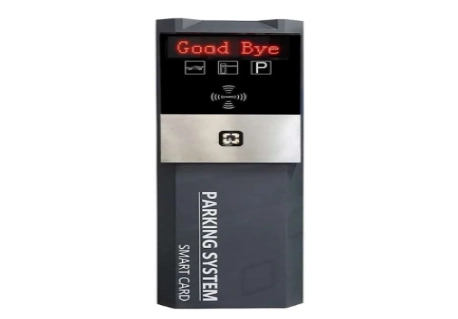
لدينا KS-CTD01 Ticket and Card Dispenser can serve as the entry terminal for temporary vehicles. It provides a clear starting point for the parking transaction and can be configured according to the required ticket or card workflow.
لدينا KS-CTD02 Ticket/Card Dispenser supports barcode or QR-code ticket applications and can include RFID-related functions. It is suitable for projects that need temporary ticket entry while retaining flexibility for other authorized parking users.
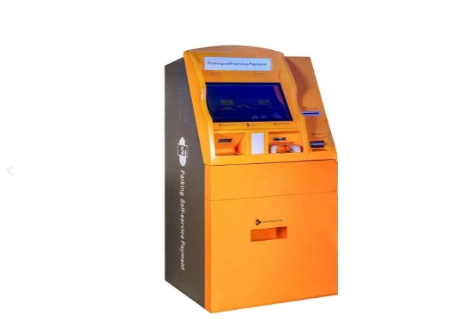
For self-service payment, our KS-APS02 Auto Payment Machine uses an 18.5-inch capacitive touchscreen and integrates a QR-code scanner, receipt printer and voice communication. Available configurations can support coins, banknotes, bank cards, QR codes and local cloud or mobile payment methods. The receipt content and software functions can be customized for individual projects.
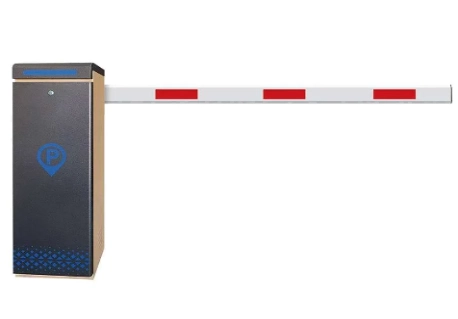
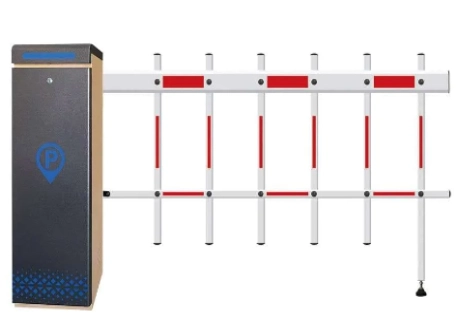
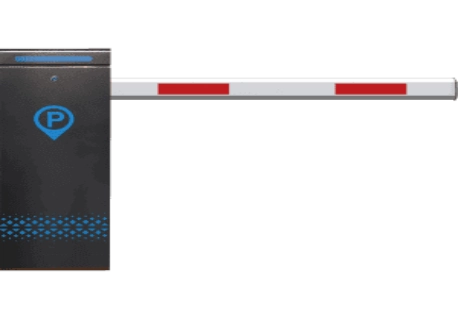
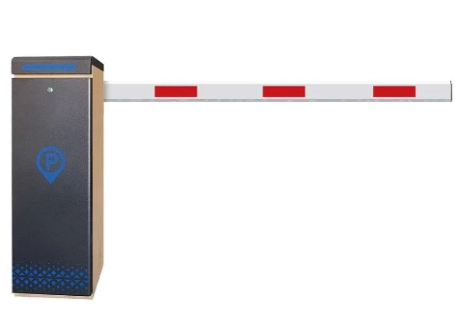
At the vehicle lane, our Karsun Access DC Brush-Less Boom Barrier Gate KS-DZ0024 manages physical entry and exit. Variable operating speeds help match the barrier movement to the site’s traffic requirements, while support for vehicle detectors and safety sensors helps reduce closing risks.
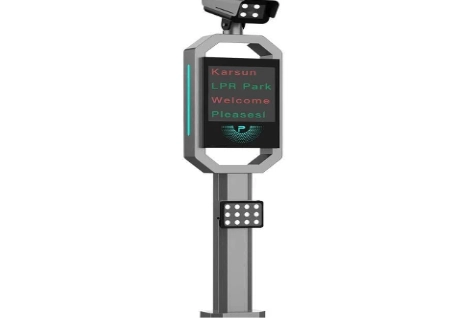
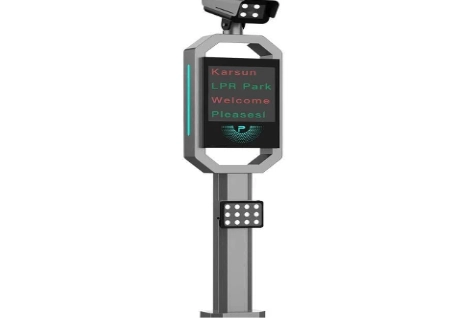
For sites that want an additional vehicle record, our Karsun Access License Plate Recognition Camera JS-LPR01 can capture and transmit plate information. In a ticket-based parking system, plate data can help operators investigate lost-ticket cases, review entry events and strengthen transaction verification.
We can connect these products through centralized parking software so that ticket issuance, fee calculation, payment status and barrier release remain synchronized. We also provide OEM and ODM customization, regional payment integration, system configuration and remote technical support.
Our goal at KARSUN turnstile is to solve the selection problems discussed above: preventing mismatched equipment, supporting the correct fee rules, keeping vehicle lanes moving and making payment convenient for local drivers.
الأسئلة الشائعةs
Q: How does a ticket parking system work?
A: A ticket parking system issues a unique ticket when a vehicle enters, records the entry time and calculates the parking fee before departure. After payment, the ticket is validated at the exit and the barrier opens.
Q: How much does a ticket parking system cost?
A: The cost of a ticket parking system depends on the number of entry and exit lanes, ticket dispensers, payment machines, barrier gates and required software functions. Site construction, payment integration, shipping and installation should also be included when comparing quotations.
Q: Can a parking ticket machine print QR-code tickets?
A: A parking ticket machine can print QR-code or barcode tickets when the printer, software and exit scanner are configured for the same format. The KS-CTD02 Ticket/Card Dispenser can support ticket workflows based on barcode or QR-code verification.
Q: Can a parking payment machine accept cash and QR payments?
A: A parking payment machine can support both methods when the correct modules and local payment integration are included. The KS-APS02 Auto Payment Machine can be configured for coins, banknotes, bank cards, QR codes and regional mobile payments.
Q: Is a ticket parking system suitable for an unattended parking lot?
A: Yes. A ticket parking system can automate ticket issuance, fee calculation, self-service payment and exit validation. Reliable networking, remote assistance, clear driver instructions and a practical lost-ticket process are still necessary for successful unattended operation.