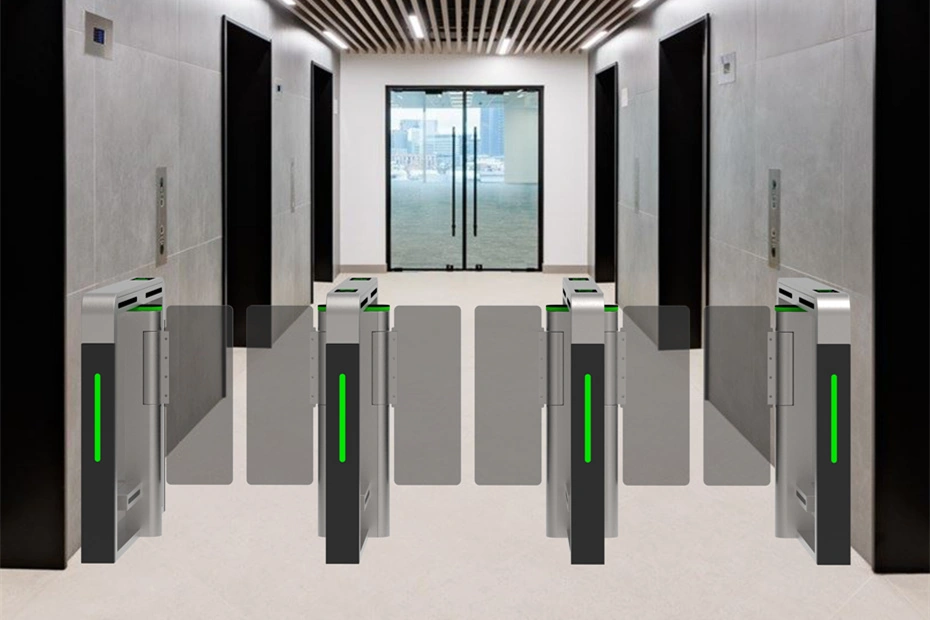
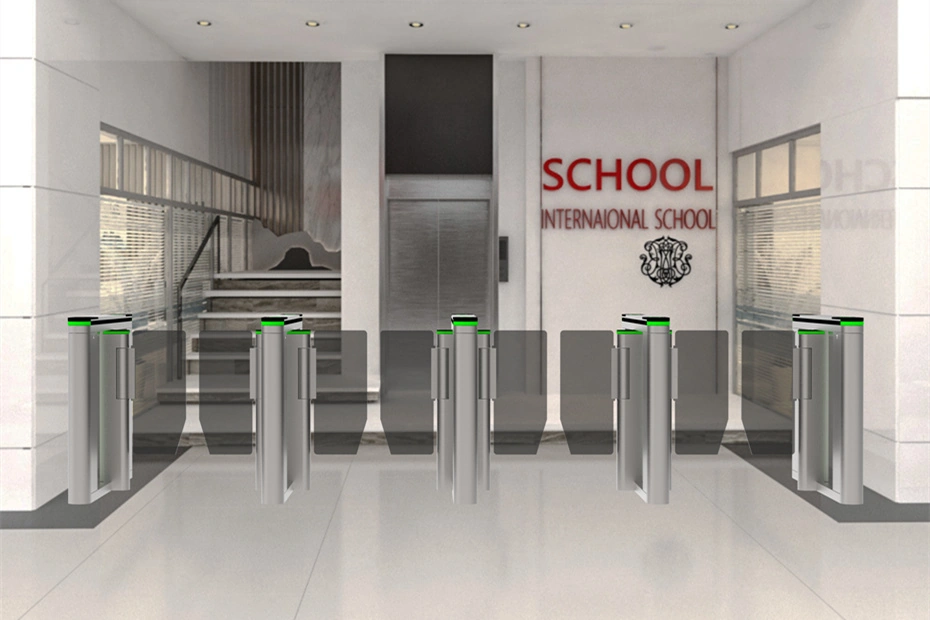
What Is a QR Code Card Reader
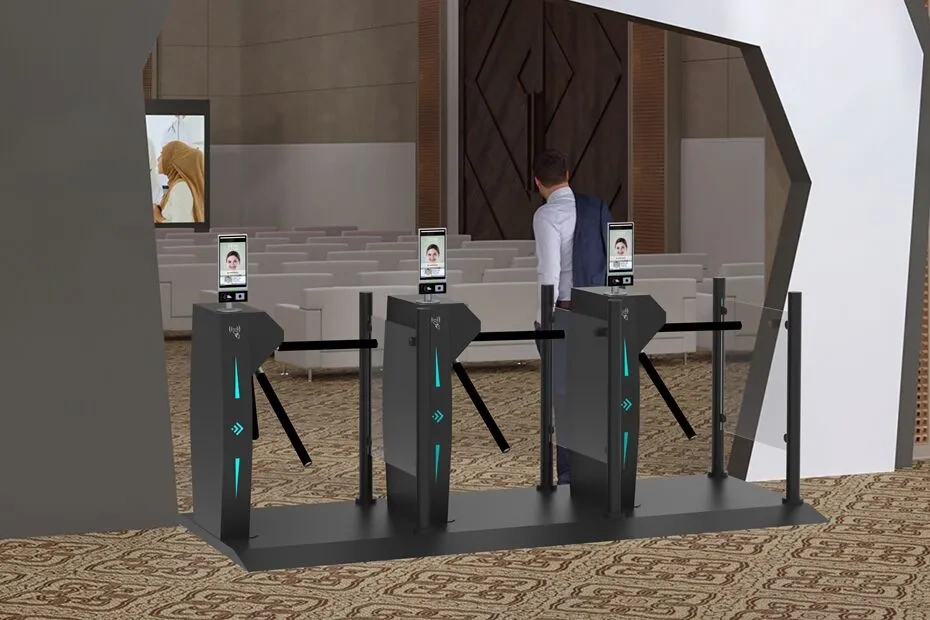
A QR code card reader is a scanning device used to authenticate QR codes for turnstile Zugangskontrolle. The reader captures the QR pattern through a built-in imaging module and decodes the data instantly, allowing the connected turnstile to determine whether a user is authorized to enter. This process supports both mobile QR credentials and printed QR tickets, making it a flexible and user-friendly access method. When integrated into modern access gates, the QR reader enables hands-free, paperless, and fast verification—ideal for crowded environments such as attractions, metro stations, and corporate buildings. In many of our projects at KARSUN turnstile, QR verification has become the preferred method because it improves throughput, reduces labor costs, and eliminates the need for physical cards or wristbands.
Features of QR Code Card Reader
A QR code card reader includes several features designed to support accurate and efficient scanning. The most important is rapid QR recognition, allowing the device to decode information even when users move quickly or present their phones at a slight angle. A wide reading window and strong lighting compensation help maintain scanning accuracy in both indoor and outdoor conditions.
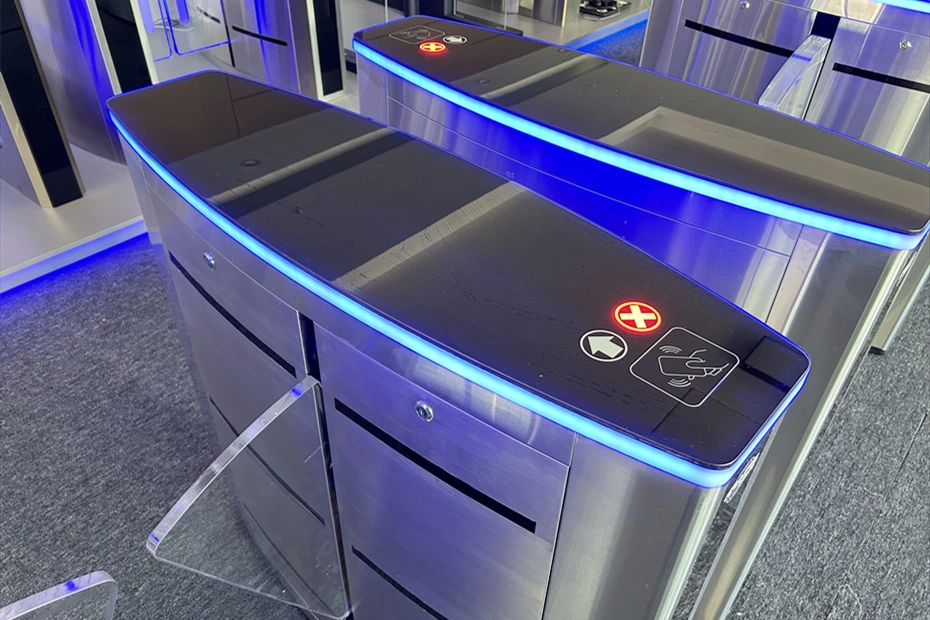
Support for multiple QR formats and 2D barcodes makes the reader compatible with various ticketing platforms. LED indicators and audio prompts guide the user through the process, ensuring smooth movement through turnstiles during peak hours. Security features such as anti-passback and anti-tailgating help maintain strict control over entries and exits. When installed on gates like the Flap Barrier Turnstile Gate JS-Y003, the reader integrates directly with the controller to deliver a seamless verification experience.
Technical Parameters of QR Code Card Reader
How well a QR code card reader works relies a lot on its tech details. Most units have a strong decoding chip and a light sensor. These provide fast grab and breakdown of QR info. The tool often handles 1D/2D types. This lets managers mix QR passes with other barcode setups.
Common links include RS485, Wiegand, or TCP/IP. These allow firm ties to turnstile main boards and entry software. Scan reach goes from a few cm to about 30 cm. Breakdown times hit just milliseconds to avoid waits. It uses little power, so fitting it into turnstile boxes is simple. Protection levels for surroundings make sure the reader runs well even on the outside gates. For example, the Full Height Pedestrian Turnstile with Anti-Tailgating Design needs solid strength and even work.
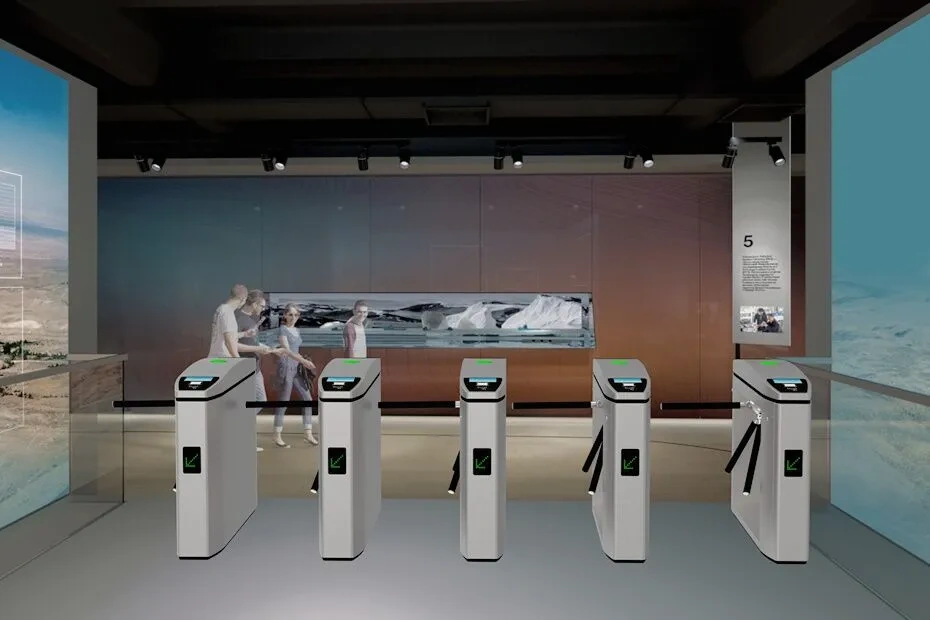
Application of QR Code
QR code tech finds use in many entry control spots. In ticket areas, QR codes let guests get in with digital tickets. This speeds up entry and cuts print costs. It shows up often in fun parks, sight spots, and big gatherings. Since QR passes form in moments, they suit workplaces that call for short-term or guest entry.
QR codes also support no-cash entry and phone pay setups. Users finish a buy and go through the turnstile with one scan. In offices and shared work areas, QR codes act as a safe swap for old worker tags. We apply this often when adding QR entry to units like the Stainless Steel Swing Turnstile with Brushless Servo Motor. Here, quiet motion and broad lanes lift user ease.
Advantages of QR Code Card Reader
QR code card readers offer several advantages that make them suitable for modern access systems. The biggest benefit is speed—users can present a QR code and pass through the gate within a second, significantly reducing waiting time. Because everything is digital, operators save money on card distribution, printing, and manual verification.
Maintenance requirements are lower because QR readers do not rely on contact-based components. Digital credentialing also improves convenience for users, who no longer need to carry access cards or worry about losing them. Many QR readers work with both online and offline modes, ensuring stability even when network conditions fluctuate. When combined with turnstiles such as the JSTD3263-22 – Efficient Entry Management Tripod Turnstile, the system remains both efficient and reliable for continuous daily use.
Product Characteristics
The built-in traits of QR code card readers aim to boost lasting strength and fit ease. The reader often has a closed shell. This guards the light unit and board from dirt, wet, and chance hits. A small shape means fitters can place the reader in the turnstile box or out at hand level. It depends on the spot.
Top imaging parts let the reader keep steady scans in strong sun or dim light. Wiring stays basic. Linking to the main board uses common signal ties. This cuts setup time. We often match QR readers with helper parts like the 7 Inch Ticket LCD Display for Turnstile Systems. It gives clear sight guides and lifts the ticket check feel.
Application of QR Code Turnstile
A QR code turnstile uses QR credential verification as its primary method of identifying users. When a QR code is scanned, the turnstile control board authenticates the data and triggers the opening mechanism, allowing the person to enter. This setup is common in transportation hubs, commercial buildings, attractions, sports venues, and educational facilities where large numbers of daily users require fast and automated access.
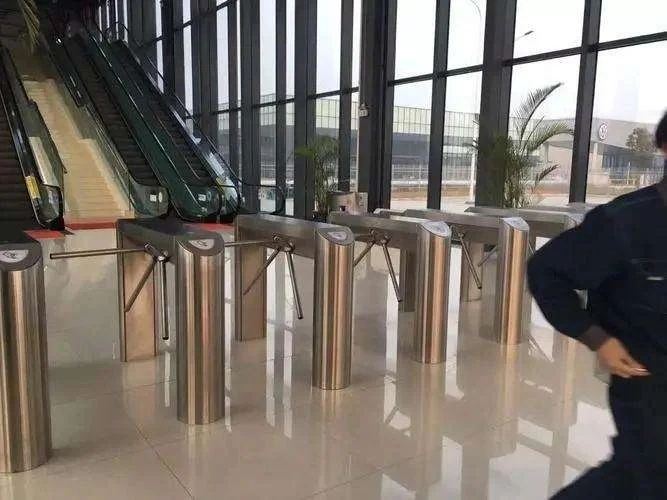
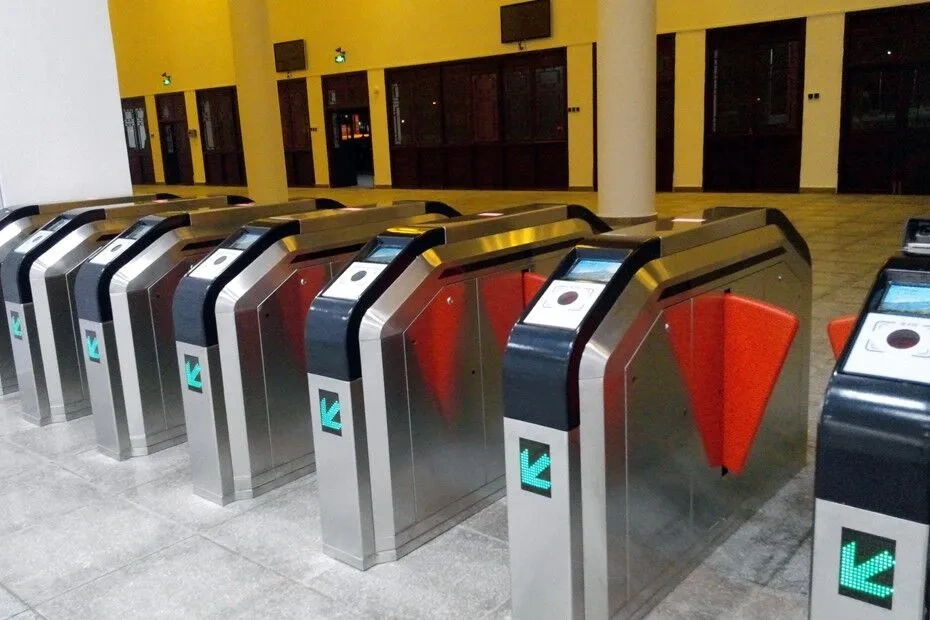
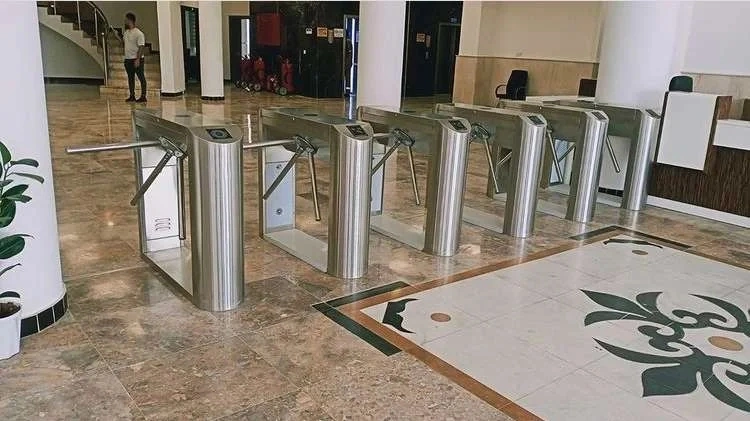
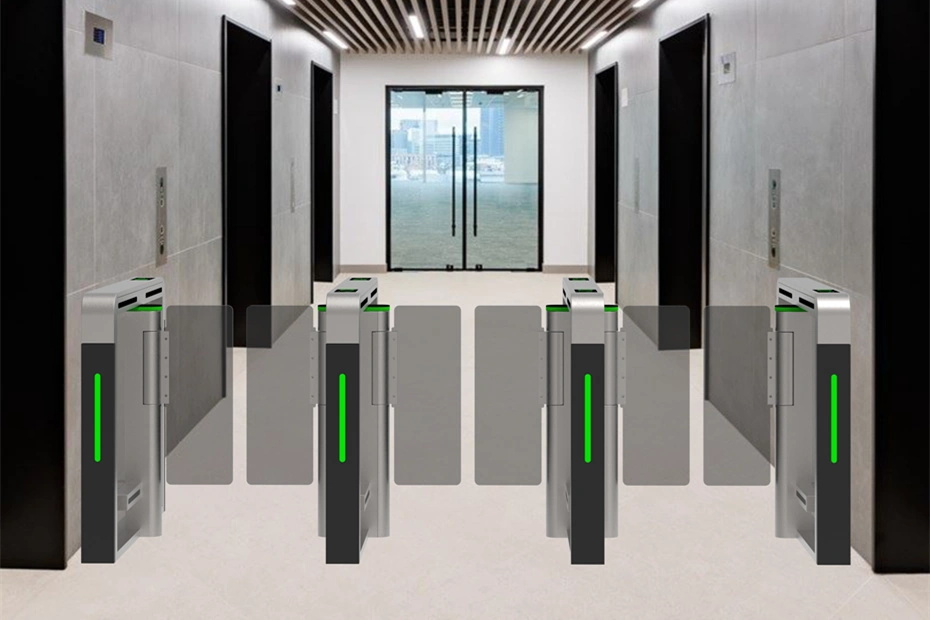
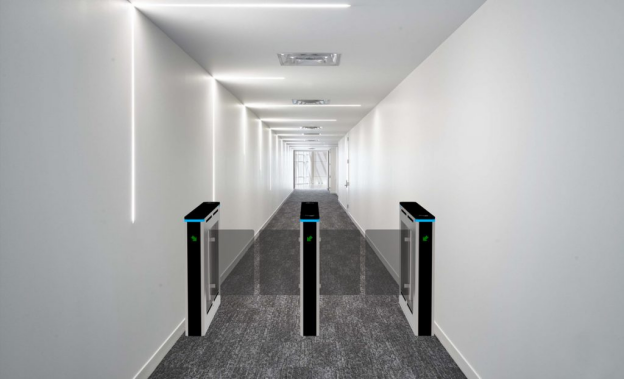
Different turnstile structures offer unique advantages depending on the environment. For example, flap barriers provide fast throughput, tripod turnstiles offer compact and durable access control, and swing turnstiles accommodate wider lanes. To ensure smooth QR verification across all scenarios, we integrate QR technology into several of our key products. In secure locations, the Full Height Pedestrian Turnstile with Anti-Tailgating Design provides controlled entry with strong physical restriction, while swing and tripod models serve public areas that prioritize speed and convenience. By choosing the right structure and matching it with QR access, facilities achieve a combination of safety, efficiency, and modern user experience.
Why Choose KARSUN Turnstile QR Code Solutions
Our Experience and Manufacturing Strength
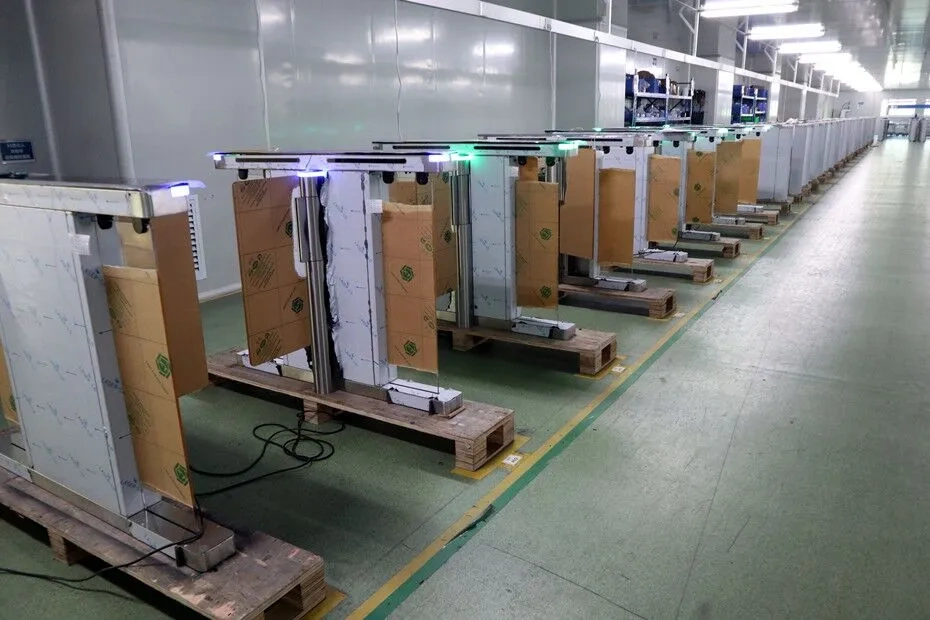
At KARSUN turnstile, we bring more than 18 years of experience in designing and manufacturing turnstile systems. Our Shenzhen facility covers 20,000 square meters and is equipped with CNC processing, assembly workshops, and a full R&D department. With over 300 skilled workers and a strong engineering team, we manage hardware development, software integration, and quality testing under one roof. This allows us to deliver reliable, well-engineered gates that maintain steady performance in demanding environments.
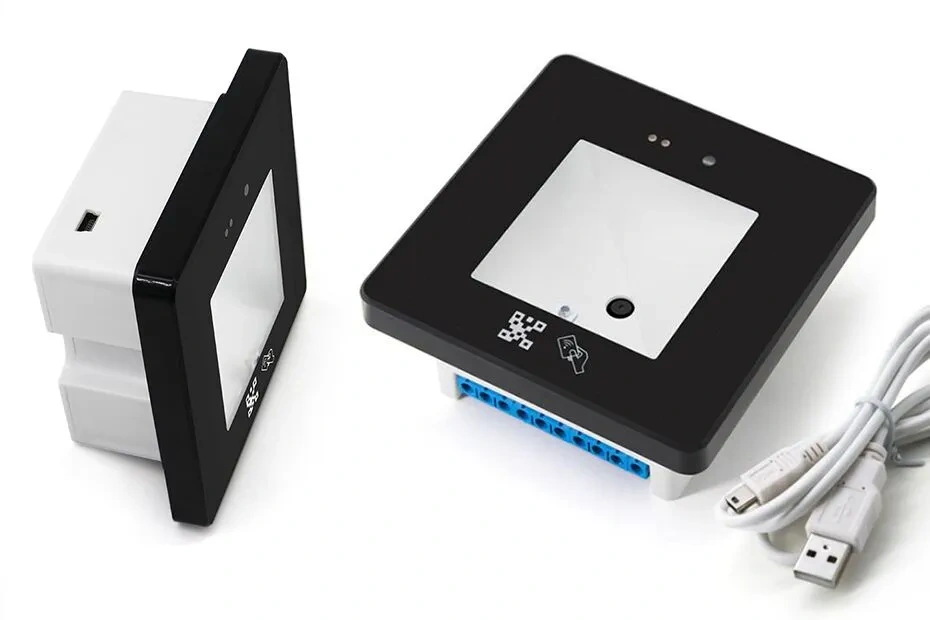
Our Integrated QR Code Access Ecosystem
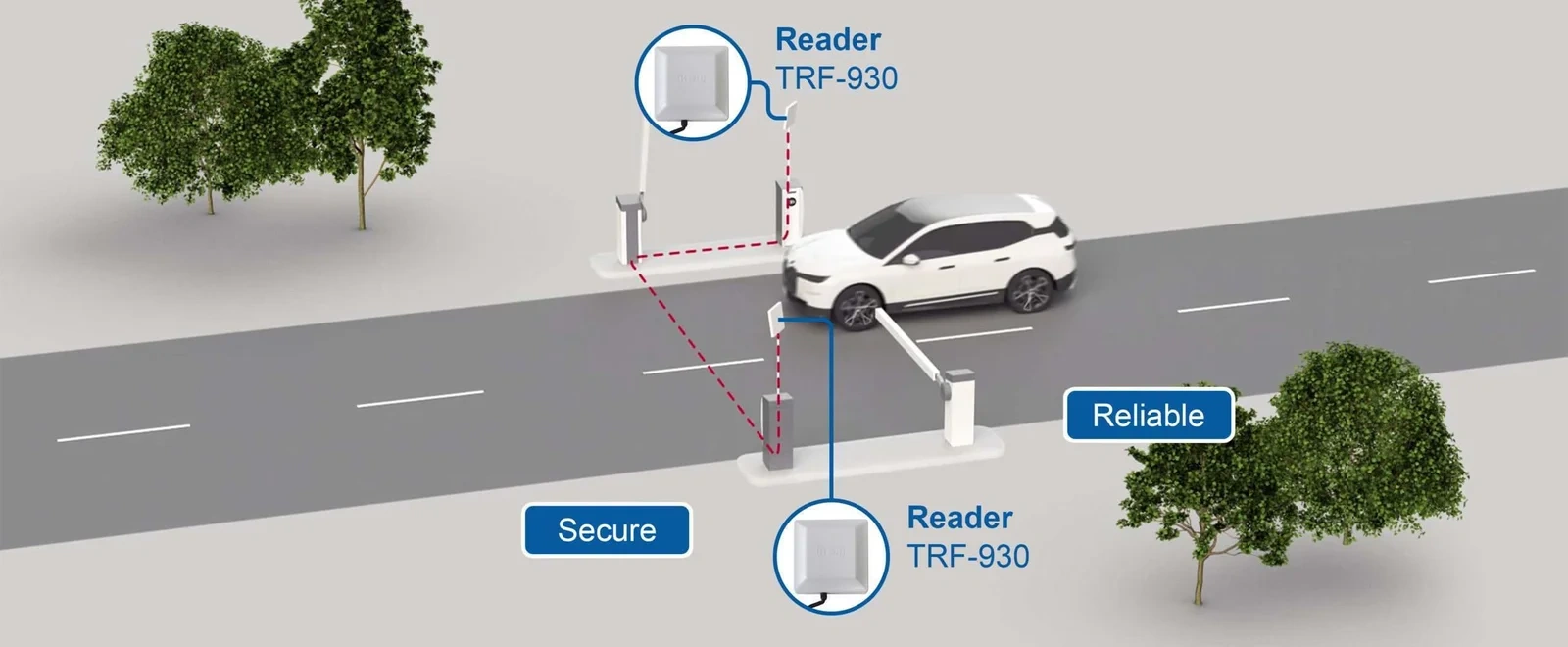
We work on making a tied setup. Here, QR readers, main boards, sensors, and control programs run as one without hitches. Our units back phone tickets, printed QR codes, and outside check platforms. By guiding both the moving and electric parts of our turnstiles, we ensure clear communication between the QR reader and the gate part. Users pass easily even in top times.
Our Turnstile Lösungen for QR Applications
We add QR work to many gate plans. So, users can pick the best build for their spot. If the job needs a small door, fine look, or top safety, we give a matching fix. The JS-Y003 – Flap Barrier Turnstile Gate suits high-flow areas. The JSTD3263-22 – Efficient Entry Management Tripod Turnstile backs firm daily runs. The Stainless Steel Swing Turnstile with Brushless Servo Motor fits office doors. The Full Height Pedestrian Turnstile with Anti-Tailgating Design guards closed zones. And the 7 Inch Ticket LCD Display for Turnstile Systems boosts user talk. By adding QR entry over these builds, we aid groups in making current, bendy, and high-output door setups.
FAQ
Q: What is the best QR code card reader for turnstile access control?
A: The best reader is one that delivers fast decoding, reliable communication, and stable performance under different lighting conditions. QR readers integrated into KARSUN turnstile systems meet these requirements and work smoothly with flap, swing, tripod, and full-height gates.
Q: How to choose a QR code card reader for a turnstile project?
A: Key factors include scan speed, communication interface, installation method, and durability. Selecting a reader that integrates directly with turnstile control boards—such as those used in KARSUN turnstile systems—ensures stable performance.
Q: Are QR code card readers more efficient than RFID for turnstile entry?
A: QR readers are better suited for environments where mobile or temporary access is needed. They reduce card issuance costs and support digital credentialing, while RFID remains useful for fixed staff access.
Q: Which turnstile types work best with QR code verification?
A: Flap, swing, tripod, and full-height gates all function well with QR readers. The best match depends on lane width, user flow, and security level, and KARSUN turnstile offers compatible options for each scenario.
Q: What affects QR code scanning performance in turnstile systems?
A: Factors include lighting, image clarity, reader angle, and decoding speed. Using industrial-grade QR readers with stable integration—such as those installed in KARSUN turnstile products—ensures consistent performance.