How ANPR Cameras Work in Busy Traffic
Image Processing and Character Reading
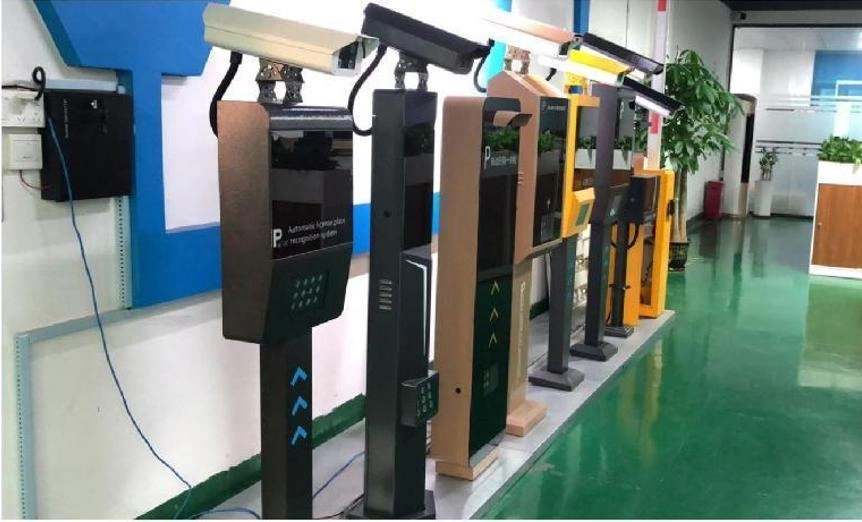
An ANPR camera system begins its detection process by capturing high-resolution images of vehicle license plates as they pass through a monitored zone. These images are then processed using Optical Character Recognition (OCR) technology to extract the alphanumeric data. The OCR engine is fine-tuned to detect characters even under challenging conditions, such as motion blur or skewed viewing angles caused by fast or angled vehicle movement. Advanced systems employ image rectification techniques to normalize these distortions, ensuring that every frame is suitable for analysis. Especially in dense traffic areas, the real-time nature of this image processing is critical to maintaining accuracy.
Vehicle Speed and Positioning
ANPR camera effectiveness hinges on accurate vehicle tracking, which allows the system to determine both the speed and position of each car in relation to the camera’s focal zone. These parameters are vital for ensuring that the license plate stays within the optimal frame for OCR. Algorithms calculate speed thresholds to discard blurry or incomplete images from vehicles moving too fast or outside the desired capture angle. In multi-lane scenarios, proper positioning prevents overlap and ensures the correct license plate is linked to the right vehicle path.
Linking with Traffic Systems
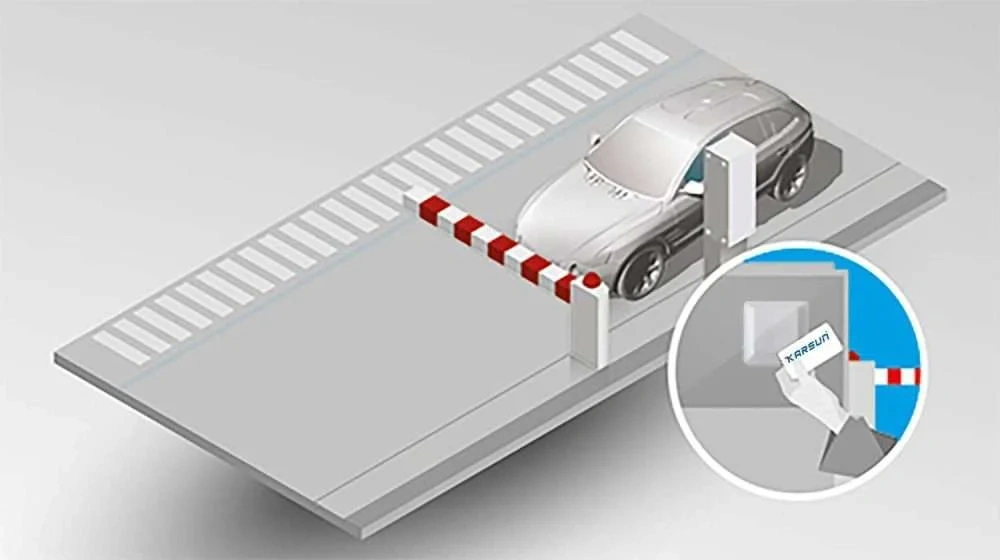
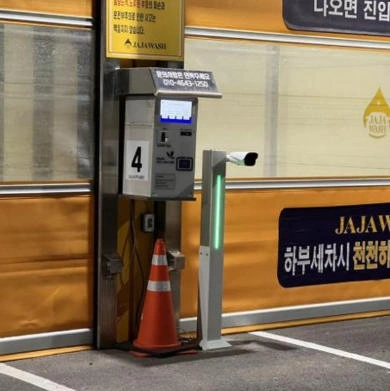
Modern ANPR systems don’t operate in isolation—they’re deeply integrated with broader traffic infrastructure. Time-stamped data captured by ANPR cameras can be synced with traffic lights, toll booths, and congestion management systems to provide an organized flow of vehicles. Centralized control centers collect this information across multiple lanes and intersections, enabling authorities to manage urban mobility more effectively. Real-time synchronization helps reduce congestion and enhances safety through automated enforcement triggers.
What Affects ANPR Accuracy?
Lighting and Camera Setup
The way an ANPR camera is placed has a big effect on how well it spots things. Good lighting is vital, mainly in dim or dark times. It helps catch clear plates. Infrared (IR) lights are often used to improve sight without bothering drivers. The camera’s angle and height need to line up straight with the license plates. If not, pictures can twist. This lowers OCR success.
Plate Styles and Car Movement
ANPR systems have to deal with many types of plate looks. These include different letter styles, colors, and layouts for places or vehicle kinds. Grimy or blocked plates make reading harder. Sudden moves like quick stops, tight turns, or close following can cause shaky pictures or half captures. These test the spotting tools.
Weather and Image Noise
Environmental conditions like heavy rain, fog, or snow introduce noise into captured images, making it harder for the OCR engine to extract characters accurately. Glare from sunlight or headlights can also obscure plate details. To counter this, many systems use adaptive exposure controls and image enhancement algorithms. However, thermal fluctuations over time can still impact sensor performance if the hardware isn’t ruggedized for outdoor use.
Why Heavy Traffic Is Tough for ANPR
Lots of Plates at Once
In busy road settings, an ANPR camera needs to pick out many vehicles at the same time. This raises the workload for the computer. When cars are close together, their bodies might cover parts of the license plates. As a result, reads can be incomplete or skipped. Good following of several targets is key here. It stops wrong vehicle tags or repeated logs.
Different Vehicles, Different Plates
A big issue comes from the mix of road vehicles. Bikes have tiny back plates. Trucks have plates up high. And out-of-country vehicles use strange setups. All these need special spotting rules. Shiny stuff on some plates can over-brighten in strong light. This tricks usual detection programs.
Slow Systems Cause Problems
If the ANPR system gear is weak or uses old software, quick work slows. This lag means missed spots. It hits hard in quick lines at tolls or parking outs during busy times. Full systems often drop frames or fail to save plate info well. This hurts the whole success rate.
Why Hardware Matters for Good Detection
Clear Imaging Sensors
Gear quality shapes how well an ANPR camera gives the right results. Sharp sensors are main. They allow letter spotting even if vehicles are distant or speeding through full lanes. Quick snap speeds cut shaky effects. A broad light range helps adjust to day and night conditions.
Night and Low-Light Performance
Cameras with infrared are vital for night work. They keep sight without outside lights. Dim-light sensors boost the difference between plate letters and backgrounds. Changing light setups ensures steady work as daylight shifts.
Tough Design for Rough Places
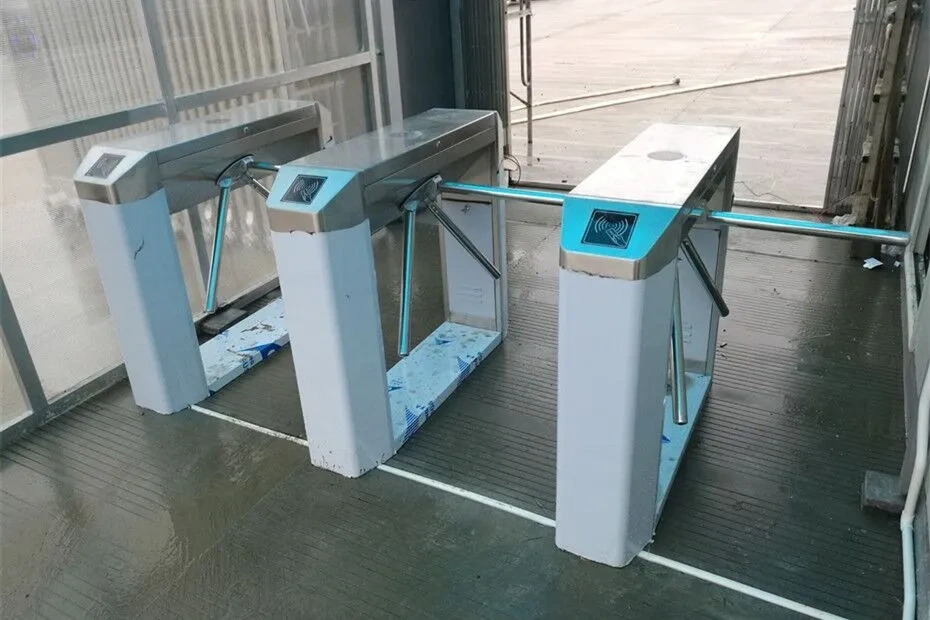
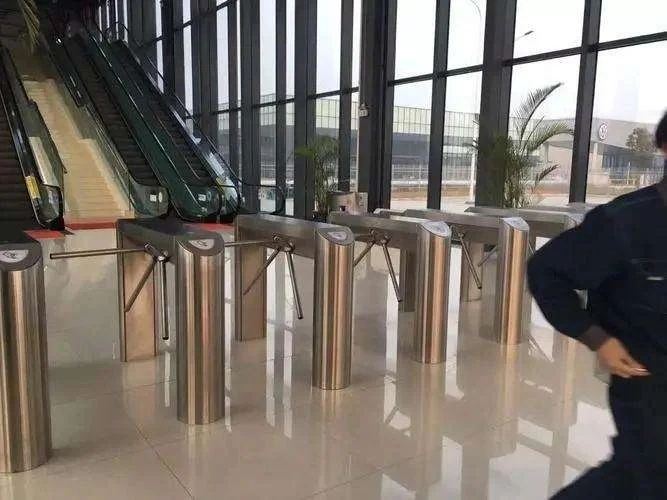
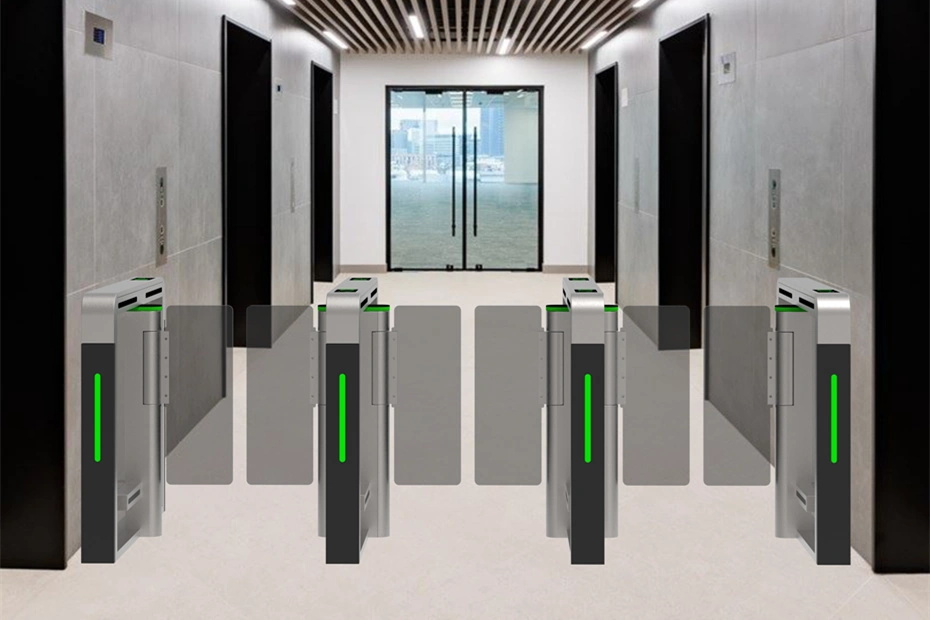
Strength is a must for systems out in the open or by fast roads. The KARSUN turnstile Torniquete de tripé is made for managing the entry and exit of groups. It runs well and fits with many access tools. Plus, it stops unauthorized entry. The same ideas apply to our ANPR-ready gear. We put them in weather-safe boxes with shake-proof holders. So, they handle rain, dirt, warmth, and steady vehicle motion without losing spotting quality.
How Software Boosts Detection
AI for Plate Reading
Smart software greatly lifts an ANPR camera’s abilities. At KARSUN turnstile, we add deep learning tools to our OCR parts. These learn from varied info sets. They adjust to new letter types, signs, and local plate changes. This smart method raises spotting rates in full traffic. There, steady work is essential.
Filtering Out Mistakes
To keep data clean in big spotting runs, our system uses fix protocols. These check results against basic rules. For instance, they look at the right plate sizes or likely letter setups. Trust levels auto-toss low-grade reads. Also, repeat spotting stops extra logs when vehicles pause or halt short in a camera’s sight.
Connecting with Other Systems
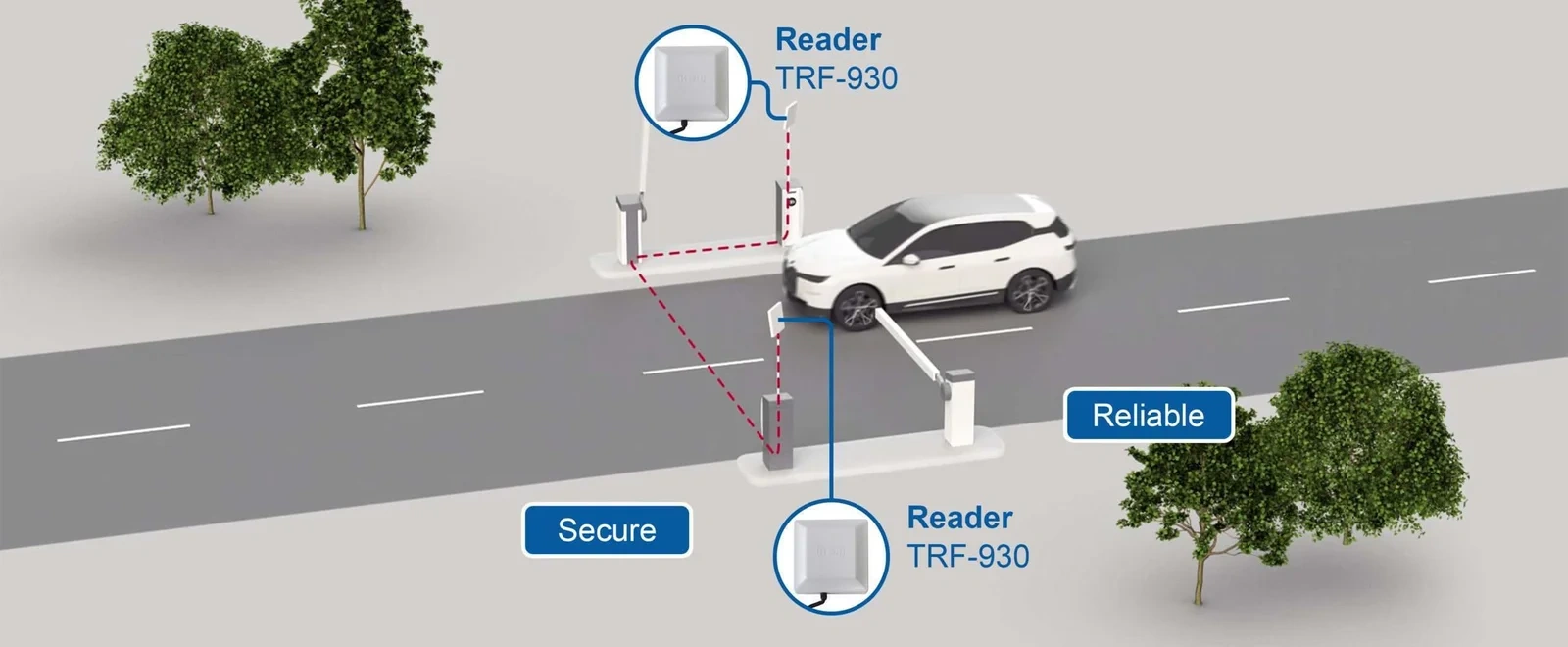
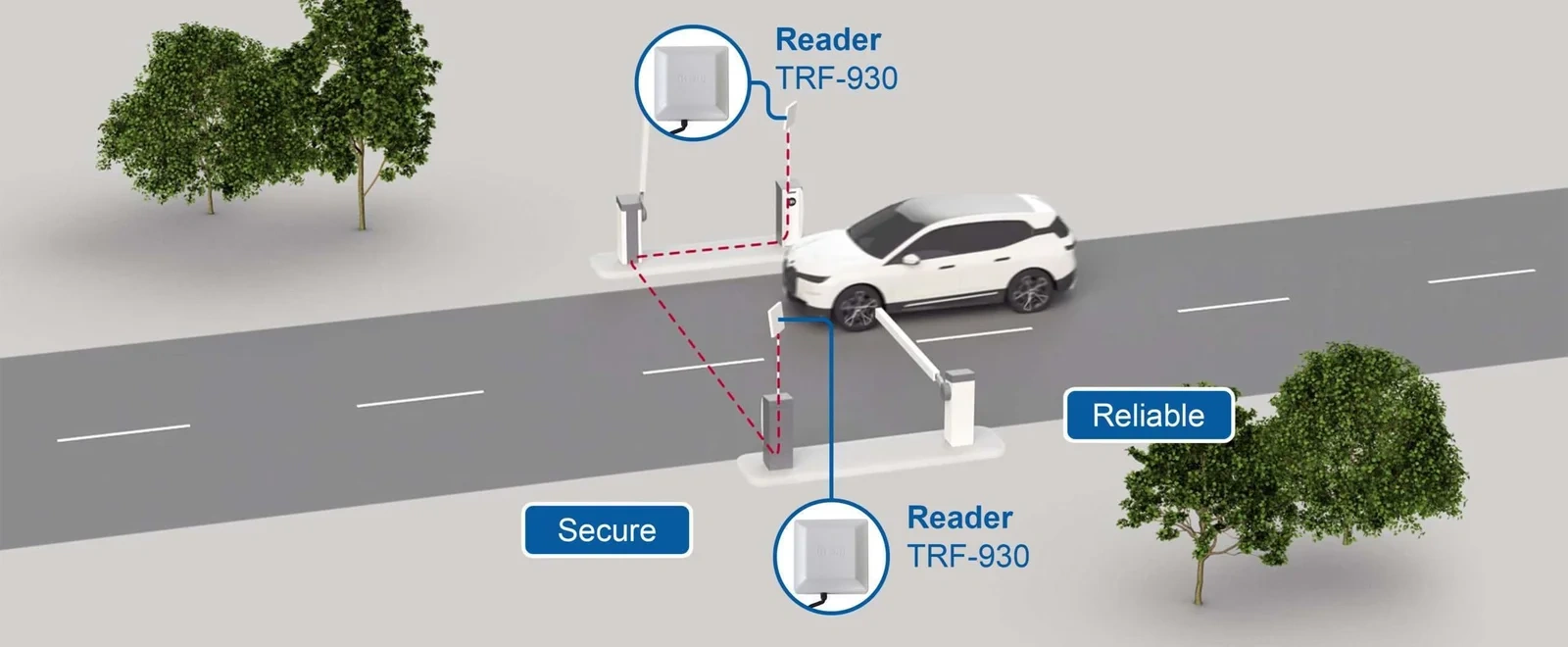
ANPR work peaks when linked to larger setups. Our systems have strong APIs for easy ties with parking tools, entry software, and police data banks. Quick warnings come for any marked vehicle. Central screens let workers watch many spots at once.
How KARSUN Turnstile Addresses High-Traffic Detection Challenges
Our Approach to Hardware Optimization
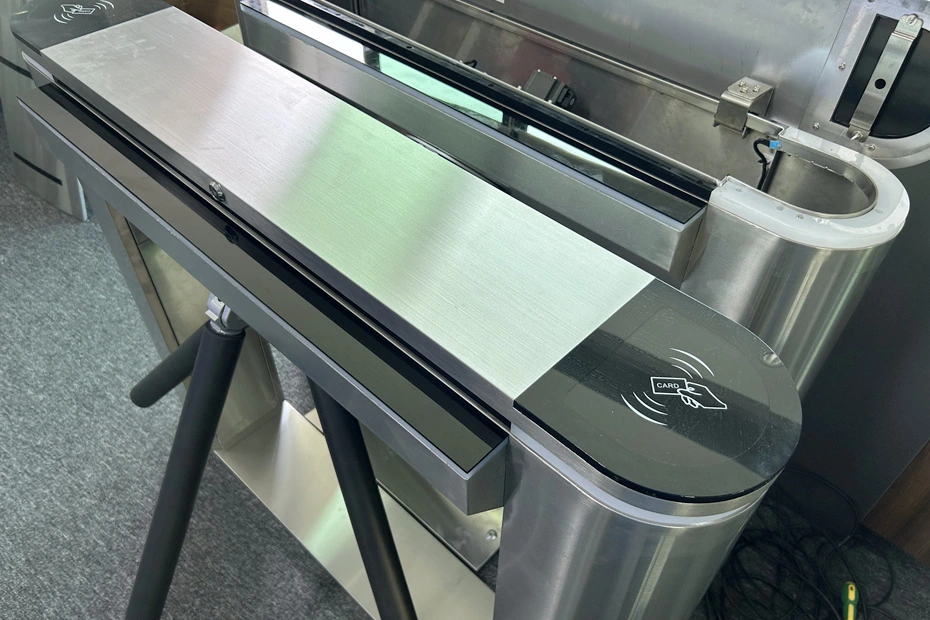
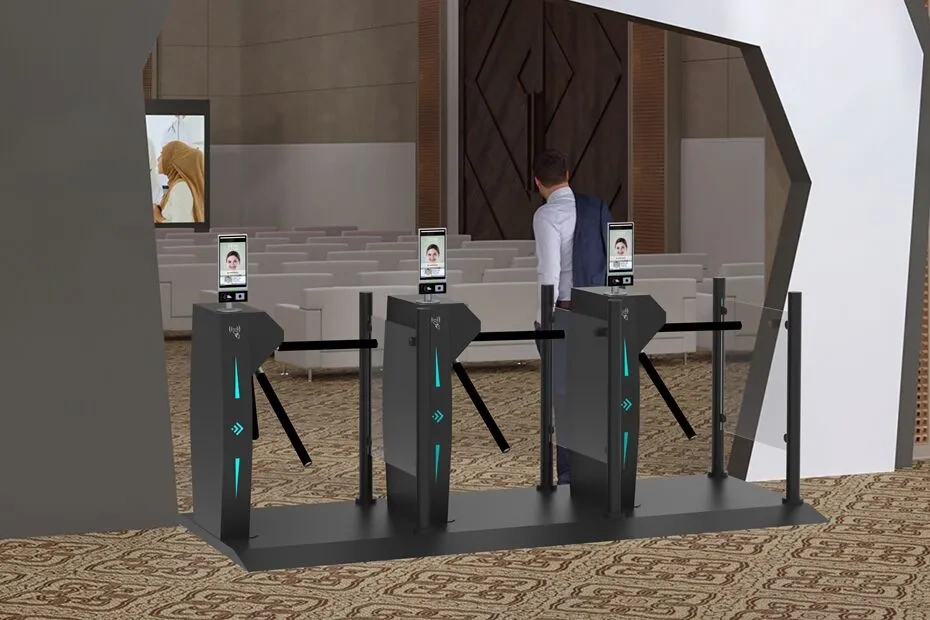
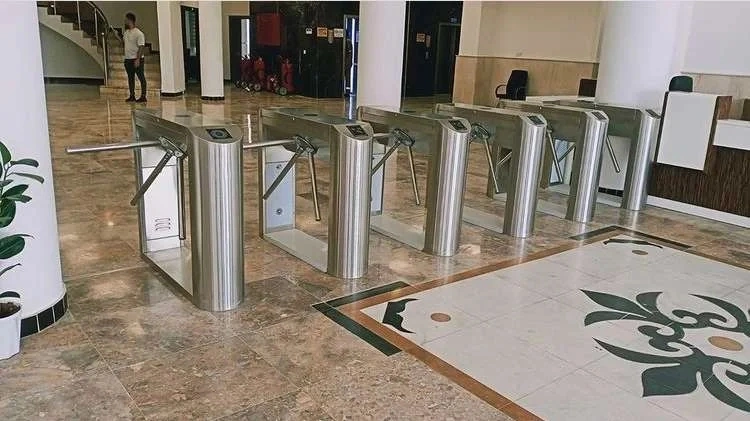
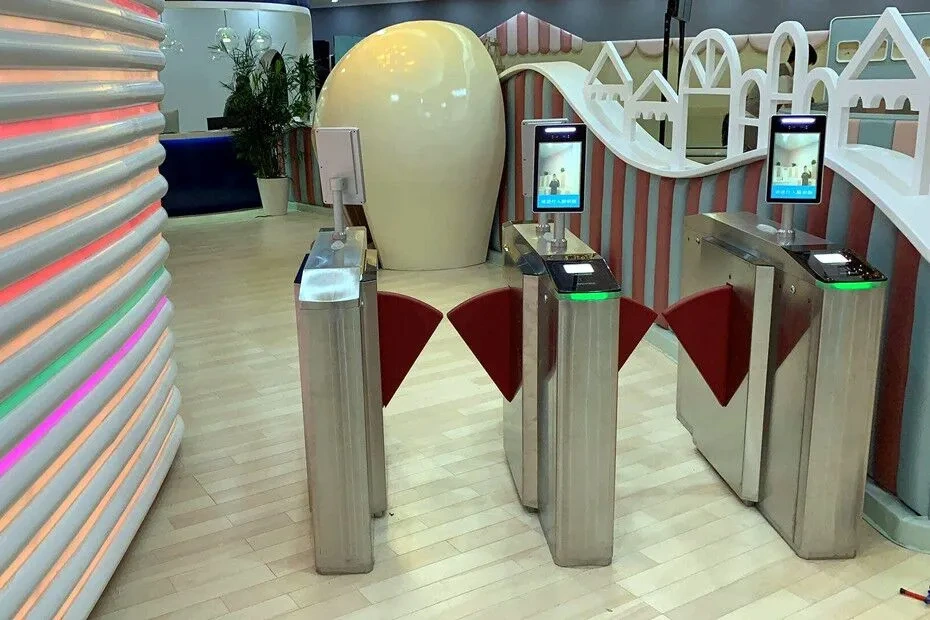
At KARSUN turnstile, we build our ANPR-ready devices for packed traffic areas. There, work must not fail. Our ticketing tripod turnstiles come in full-auto and half-auto types. They have an IP65 rating against water and dust for outdoor use. Models like the JS-SGZ003 – Access Vertical Tripod Turnstile Gate use stainless steel 304. They are made to last in hard spots while backing fast image sensors for true spotting.
Our Intelligent Software Capabilities
We add AI-boosted OCR tools to our setup. They read plates fast and smartly adjust to traffic flows. The JS-SGZ003B – Dual Core Tripod Turnstile Gate With Finger Printing Access Control System has built-in logic parts. These handle body scans and vehicle spotting at the same time. It suits safe spots with mixed foot and car traffic.
Seamless System Integration
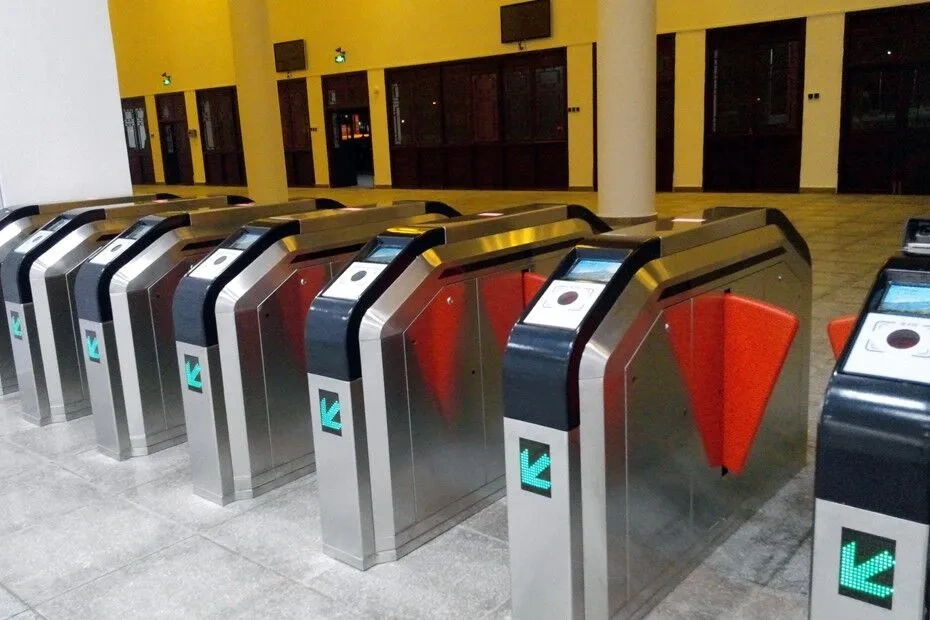
Our goal at KARSUN turnstile goes beyond gear. We make full traffic fixes that blend well with current setups. Be it toll systems or city entry nets, our JS-QGZ005 – Dual Lane Full Height Turnstile Gate 120 degree Rotate Security Gate allows high flow. At the same time, it keeps a tight hold on entry points with two-lane help.
For tight spots where room is short but trust is key, our JS-SGZ077 Vertical Tripod Turnstile Gate gives IP65 safety. It fully works with top ANPR parts. This fits parking areas and closed groups dealing with peak rushes.
FAQ
Q: What triggers an ANPR camera to start recording?
A: An ANPR camera starts by motion sensors spotting when a vehicle moves. Or, it uses set lines in video tools that find passing items matching car sizes.
Q: How do ANPR cameras perform during rush hour?
A: Strong ANPR systems like those in KARSUN turnstile setups use AI multi-target following to keep accuracy. This holds even when many vehicles go by together.
Q: What factors reduce ANPR accuracy in dense traffic?
A: Blocked sights from close cars, shiny plates making shine, fast speed shifts, and bad weather all lower spotting rates. This happens unless fixed well with gear and software boosts.
Q: How important is software in improving ANPR performance?
A: Software is very key. It runs plate spotting rules, clears wrong reads with basic checks, links to outside data via APIs, and shifts quickly with AI learning tools.
Q: Which companies offer robust ANPR-compatible turnstiles?
A: KARSUN turnstile offers tough stainless steel tripod turnstiles. Examples include the JS-SGZ005 model. They are water-safe, work with outside controls, and are set for ties with strong ANPR setups.