How Do Turnstile Gate Sensors Work in 2026 and What Should Buyers Check
Walk up to a modern turnstile gate and the experience feels simple. Present a credential, wait for the signal, and walk through. Behind that short trip, the turnstile access control system is making several decisions. It must know whether entry was approved, where the pedestrian is, whether another person is following, and when the barrier can close.
That decision chain matters. A pedestrian turnstile may look impressive, yet produce nuisance alarms if its sensors, controller, and barrier timing do not work together. This 2026 guide explains what buyers should ask before comparing turnstile security options.
What Do Sensors Detect Inside a Turnstile Gate?
Sensors do not decide who is allowed into a building. The access control system handles that job after reading a card, QR code, biometric result, ticket, or another credential. Sensors watch the physical passage. In a sensor-managed lane, several detection points can build a moving picture of a person entering, travelling through, and leaving.
Think of the lane as a short sequence of zones. The entrance zone shows an approach, the middle zones follow movement, and the exit zone confirms completion. The arrangement varies, so buyers should ask for a detection diagram.
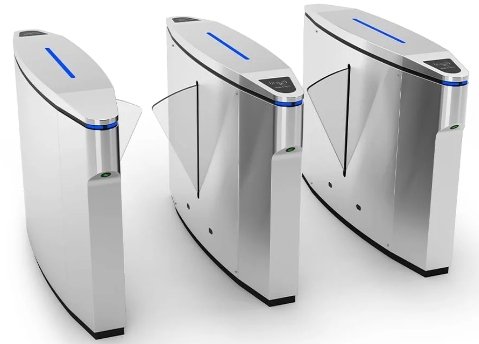
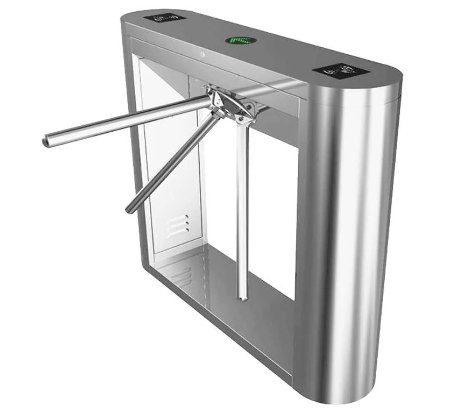
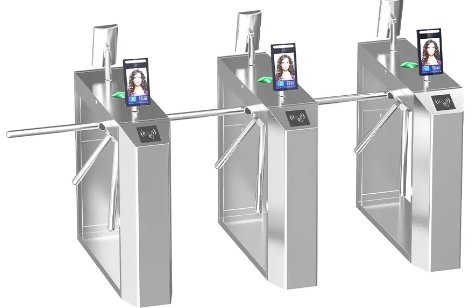
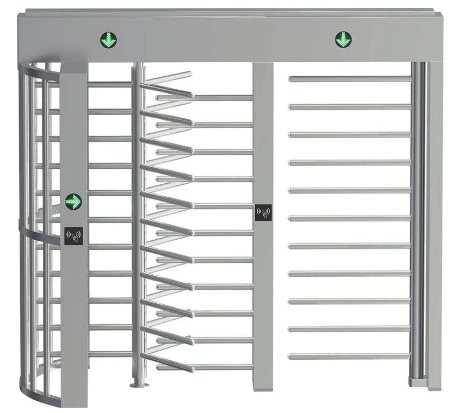
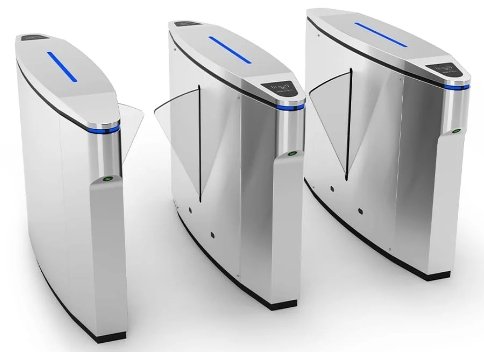
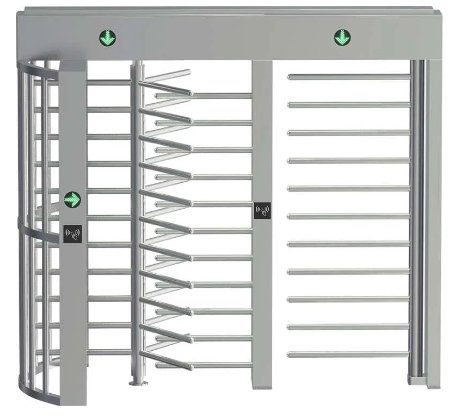
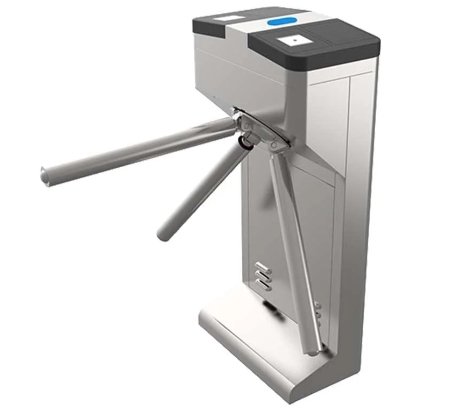
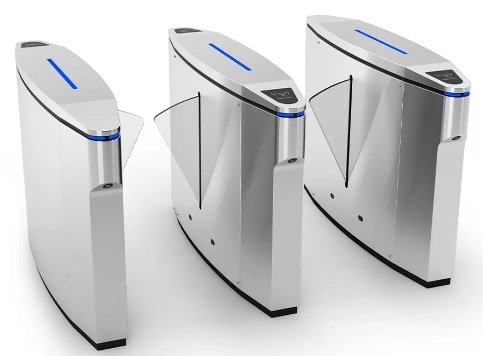
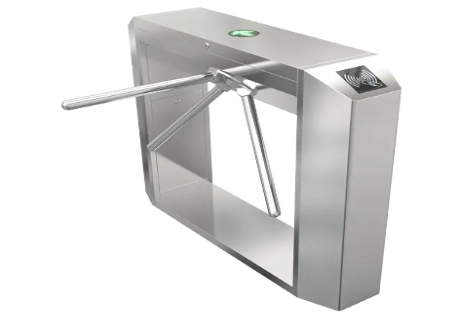
A tripod turnstile uses the rotation of its arms to create a clear mechanical passage event. A swing gate, flap barrier, or speed gate usually depends more heavily on lane detection because the moving panels must open and close around pedestrian movement. A full-height turnstile uses a rotating barrier that physically divides passages. In each case, the goal is the same: match one valid permission with one understandable movement through the controlled line.
How Does Access Permission Become a Valid Passage?
The cleanest way to review turnstile access control is to separate permission from passage. First, the credential reader sends its result to the access controller. If access is approved, the controller gives the turnstile an opening or unlocking command. The turnstile then allows travel in the approved direction and starts watching for a completed passage.
A good sequence answers practical questions. How long does permission remain active if someone hesitates? What happens when a credential is presented but nobody passes? Can the next credential be accepted while the lane is occupied? These settings shape the everyday experience.
Direction also matters. A bidirectional pedestrian turnstile must distinguish entry from exit permission. Indicators should agree with the lane state. The right timing is not simply the fastest setting; it must match reader response, walking pace, and barrier movement.
What Causes Tailgating and False Turnstile Alarms?
Tailgating occurs when an additional person attempts to use the same authorised passage. A sensor-managed turnstile gate may recognise an unusually close second body, movement in the wrong direction, or occupation of the lane after the valid user should have left. The system can then keep the barrier closed, trigger an audible or visual warning, or report an event to the wider security system, depending on the configured logic.
Not every alarm means deliberate misuse. A suitcase can extend a person’s sensor profile. A child beside an adult, a pedestrian who pauses, or two colleagues walking shoulder to shoulder can challenge logic designed for one person at a time.
This is why “anti-tailgating” should never be treated as a magic label. Ask what behaviour the turnstile detects and what it does next. The answer should cover close following, reverse entry, lane intrusion, lingering, and blocked movement. It should also explain how staff handle deliveries, families, visitors, and people who need a wider accessible lane. Strong turnstile security depends on clear operating rules as much as sensitive hardware.
What Should Buyers Test During a Live Demonstration?
A polished normal pass is only the beginning. Start with one valid credential and one ordinary walk. Then slow down, stop briefly, turn around before entering, and present a credential without passing. Try two authorised users with a short gap. If the site expects bags, test a typical bag. If a wider lane is planned, demonstrate it with the kind of user and mobility pattern it is meant to support.
Watch the entire response, not just the panels. Does the direction light change correctly? Does the barrier wait until the pedestrian is clear? Is the alarm understandable? After an interrupted pass, does the lane recover on its own?
Use the proposed reader and controller whenever possible. A gate tested only with a local button may behave differently once reader processing enters the sequence. Record the agreed behaviour for access, denial, timeout, reverse movement, and emergencies.
Which Details Belong in a Turnstile Specification?
A useful specification describes behaviour, interfaces, and the physical lane. It should state the turnstile type, passage direction, intended lane width, credential method, and connection expected between the access controller and turnstile. It should also define what happens after approval, denial, timeout, power loss, and an emergency input.
For sensor-managed lanes, request a lane-detection description and the proposed response to tailgating, reverse movement, intrusion, and obstruction. Include indicator behaviour and alarm outputs. If the project has an accessible route, describe that route directly instead of assuming a standard lane can serve every pedestrian.
Connect the specification to the real environment. Reception areas, outdoor entrances, stations, gyms, and industrial boundaries create different traffic patterns. Peak flow, baggage, supervision, weather, and cable routes can change the sensible choice.
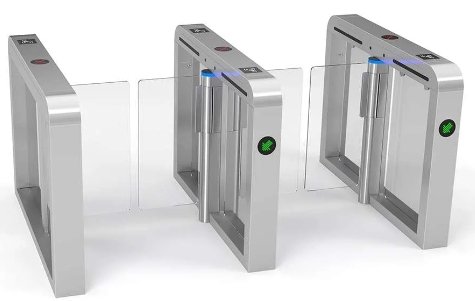
How Does KARSUN turnstile Solve Different Passage-Control Needs?
At KARSUN turnstile, we start with the passage decision rather than pushing one gate shape into every entrance. We review who uses the lane, how credentials are checked, what should count as a completed passage, and how staff should respond when movement does not match permission. That lets us connect the earlier questions about detection, timing, and alarms to a suitable turnstile format.
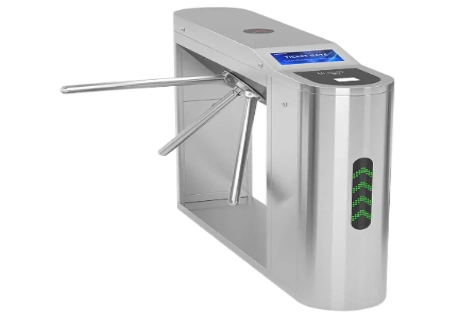
For a compact one-person mechanical passage, the JS-SGZ001 Мостовой турникет-трипод provides a defined rotating-arm event. Its published options include semi-automatic electromagnetic operation, a brushless-motor option, and dry-contact, RS232, or RS485 connections, giving integrators several ways to coordinate the gate with access control.
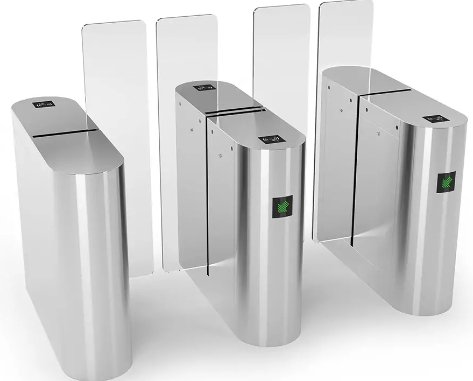
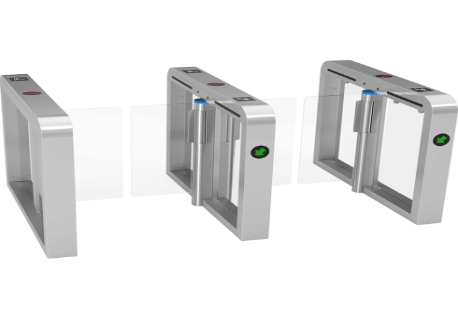
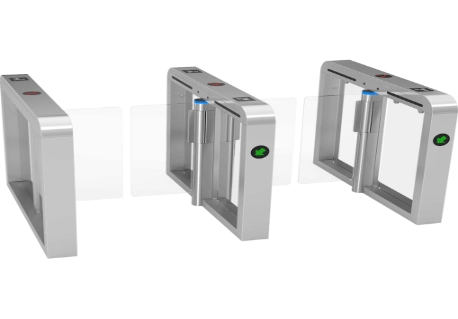
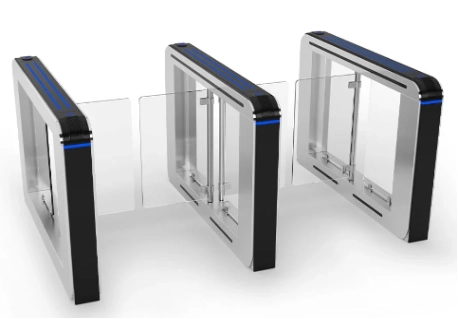
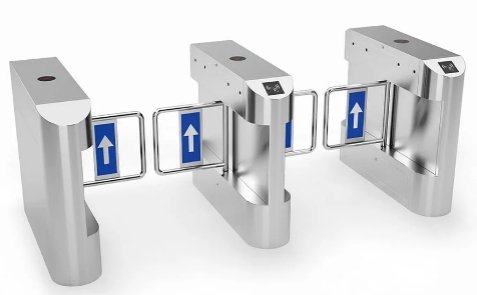
For a reception area or other high-frequency pedestrian entrance, the JS-BZ003 Swing Gate uses a swing-barrier format intended for fast, convenient passage management. Where a building needs a more design-led lane, the Высокоскоростные ворота JS-STM002 combines fast entrance control with selectable materials, finishes, and lighting effects. We can use the project discussion to set reader position, direction indication, and lane behaviour around the expected flow instead of treating appearance as the only criterion.
Сайт JS-TD6301-21 Flap Barrier Turnstile Gate offers another sensor-managed lane format for buildings, hotels, clubs, gyms, and station-style entrances. Here, the important project work includes matching lane width, reader position, barrier timing, and detection behaviour to real users. At a more controlled perimeter, the JS-QGZ003 Dual Lane Full Height Turnstile Gate for High Security Location Access Control provides two full-height rotating lanes for sites where the physical boundary is a central part of the security plan.
Across these choices, we turn a vague request such as “secure entry” into a testable operating sequence. Through our OEM and ODM capability, we can review interfaces, travel direction, lane arrangement, finishes, and project-specific configuration. The goal is predictable behaviour in both ordinary and awkward passages.
ЧАСТО ЗАДАВАЕМЫЕ ВОПРОСЫ
Q: How do turnstile gate sensors detect tailgating?
A: Sensor-managed lanes follow movement through several detection zones and compare that movement with the active access permission. Closely following bodies, unexpected lane occupation, or a second passage without a new approval can trigger the configured anti-tailgating response.
Q: How does a turnstile access control system work?
A: A reader checks the credential, the access controller decides whether entry is allowed, and the turnstile unlocks or opens in the approved direction. The gate then detects or mechanically records the passage before returning to its secure state.
Q: What causes a pedestrian turnstile to sound an alarm?
A: Common triggers include denied entry, reverse movement, lane intrusion, tailgating, lingering, or an obstruction. The exact causes and responses depend on the lane design and configured operating logic.
Q: Can a turnstile gate work with card and biometric readers?
A: Yes, when the reader and controller provide a compatible approval signal or communication interface. Reader position, response time, direction control, and event reporting should be confirmed during integration rather than assumed.
Q: Which turnstile security features should buyers test before installation?
A: Buyers should test valid access, denied access, close following, reverse movement, hesitation, timeout, obstruction, emergency operation, and recovery after an interrupted pass. The test should use the planned reader and access controller where practical.