How Should You Plan a Metro Station Turnstile in 2026 for Safe, Reliable Passenger Flow?
Most of us think about what a metro station turnstile does when it scans our ticket, simply Opens! Trains can unload a large number of people at greater speeds. A traveler may have bulky bags. They may help a little child. Some use mobility aids. Some attempt to pass through the gate while glancing skyward at platform signage. A reader will report an acceptable fare as denied every now and again. There are travelers who simply cannot travel a lane for whatever reason. This often results with a long line pouring directly into the main hall.
Good entrance prep looks at the whole trip. Such as the throughway, ticket check and entry block. It also mentions the exit side, the accessible path and what a staff would do to address an issue. A reliable metro station turnstile in 2026 will depend on a simple set of operating rules. It also requires appropriately paired hardware. Not just a scanner or fast barrier that you can count on.
What Makes a Metro Station Turnstile Different?
The traffic that arrives in the station comes with big black faces. Daily riders tend to arrive just before a train leaves. For instance, some special events can trigger sudden bulk foot traffic in one direction of the building causing a service delay. A lane might seem completely OK when you visit in the afternoon on a still day. But during the peak hour morning rush this can quickly become a huge bottleneck. You start with actual passenger totals. Peep these younumberers by way and time of day, Make sure you include the 15-minute windows that are jam packed.
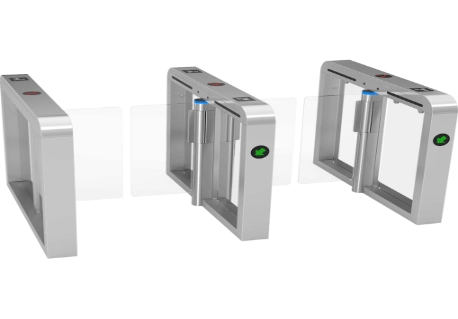
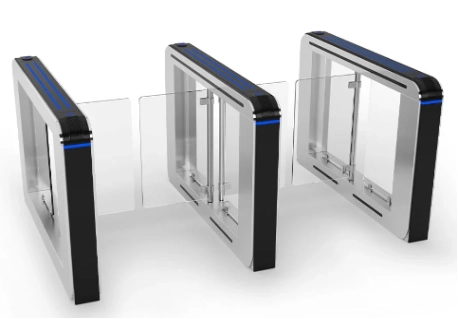
Now what variety of passengers makes a huge difference. The velocity at which people walk is very diverse. Some require additional space for luggage, baby strollers or wheelchairs. Some need a travel companion. A proper lane layout would never force everybody in the same narrow funnel. Standard turnstile lanes are well suited for the day-to-day entry. Meanwhile an alternative exit creates a free route for station workers to help those passengers who require extra space.
A ticket scan does not equal a completed crossing. A travel pass can be easily validated using a turnstile scanner. However, the gate must still be released. It must recognize any movement by humans. Then it should go back to being locked until the next person comes in. There are occasions that a gate takes the OBU on your card and lets you pass, but does not register the crossing. This kind of error might lead to customer disputes or incorrect database entries. You need to measure the full crossing process instead. Avoid viewing the reader speed as the only critical throughput metric.
How Should You Design Passenger Flow Before Choosing a Gate?
You walk touch the trail in both ways. Watch where the passengers are coming from. Check out where they stop to draw a ticket or card. Find out if the waiting lines are going to obstruct stairs, lift or store fronts. They should never obstruct emergency exits. Heavy entry to the site, heavy exit from it — a station can oscillate between these two times. If this is the case, they should definitely show which lanes go in either direction or can switch. This decision has a direct effect on the signs and staff requirements you will need. And it updated the controller logic and composition of how humans make sense out of floor plan.
Next, you need to calculate how many lanes are needed for both normal and peak hour conditions. Do not simply chose a number based on an educated guess. Take the measured arrival rate. Compare that with the aggregate time it would take to present a ticket, get approved, walk-through and clear gate sensors. So you need to include a back up plan for closed lane. Prepare for a malfunctioning ticket reader. Also, allow for exceptions that require the involvement of your staff. A couple well-placed lanes with lots of room for approaches is excellently effective Much better than a huge row of gates that pours people into one small confinenote hallway.
The reader location -> should be in plain sight well before a pedestrian reaches the barrier. There must be a very visible card reader, QR reader or some other turnstile scanner. Use it without freezing up right in front of the person behind them. There should be an agreement on the ticket result between this station’s ticketing system & gate controller. They have to agree on the release signal as well. fiddling with data formats, input signals and output signals Check the timing. Before running the installation, determine what occurs when the computer network goes offline.
Accessibility should be included in the initial design phase itself. It is never a late add-on. Verification of clear width and turning space Make sure the distance that you are able to approach, and reader height. CHECK THE SIGNS AND EMERGENCY ACTIONS AGAINST LOCAL LEGISTRATION AND BUILDING PANS. Make sure this selective pathway is very simple to spot. Make it so that stations workers can access this without having to slog through the main crowd flow zone. As usual, the exacts rely on national laws and your individual gear. Always cross-reference these facts with your project team.
Boom, finally decide what happens when you need to evacuate or the power is turned off completely. The performance normal working mode of the gate may be a incorrect emergency work ways. It is necessary to perform the release action without testing so only with regard of the official fire and safety plan of a particular station. Specify the real escape routes in which people would follow. You never assume that the equipment will fail-safe, or in a sacrificial mode. You should document the approved configuration and physically replicate it.
How Should Ticketing and Turnstile Autocheck Work Together?
A good ticketing process addresses three fundamental questions. Is this travel pass valid? Should this specific gate open? Who actually made him walk through? The first response is usually from the main fare system of your station. The gate controller, in the meanwhile, manages the physical barrier and optical sensors. You should strictly segregate these jobs. In this manner, a worker can follow an issue straightforwardly back to the reader, system, controller or engine segments. It prevents people from dismissing it as some indefinite gate issue.
Turnstile autocheck is not one-size-fits-all tech guidelines. In one building, it may be to check tickets automatically and open a barrier. It can also include crossing tracking or alarms that prevent tailgating, for a different site. But ask suppliers to tell you which checks they do include. Q: What events are recorded by the system? For more information click here: See what a worker sees when the gate says no to a card In the setup phase, you must verify valid tickets and expired/copies. Same for unreadable passes and tickets that somebody already scanned.
Terms like parking ticket system and ticket parking system often show up in large access-control bids. However, parking passes and metro fares are never the same thing. If a site shares computer networks, you must draw a clear line. State which software checks each pass. Define what data goes to the turnstile. Decide who handles ticket errors. This strict separation prevents an unrelated parking setup from messing up how a walking passenger fare gate works.
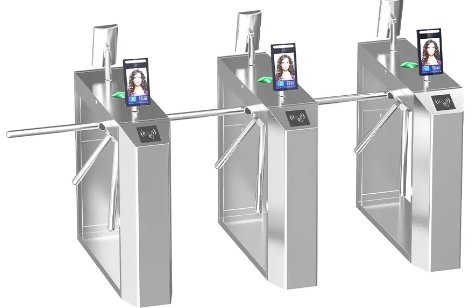
You might consider a facial recognition software device for a special staff lane. If so, treat it as a personal identity tool. Do not treat it as a basic fare replacement. You must set strict rules for user sign-up, data privacy, and record keeping. Create backup entry methods and handle failed face matches properly. Keep public passenger tickets and staff identity checks completely separate. Only combine them if the station has a formal, written reason to do so.
How Can a Station Protect Uptime and Plan Maintenance?
Transit stations are very tough spaces. Dust, harsh cleaning liquids, and wet floors near doors cause wear and tear. Heavy daily use and accidental bumps will hurt the hardware over time. You must specify strong materials and proper weather ratings for the exact setup spot. Then, follow the official maintenance guide for the chosen model. Never assume an indoor lobby gate uses the same parts as a gate sitting out in the rain.
Create a basic checking routine focused on things you can easily see or hear. Look for loose screws, strange motor noises, or slow barrier moves. Check for dirty sensors, scratched reader glass, and weird locking actions. Write down these faults by the specific lane and the exact time. This log helps your repair team spot trends. They can see if a problem sticks to one gate, one reader, or one controller. They might notice issues tied to the morning rush. A planned turnstile repair is much easier to manage than a sudden breakdown during the worst possible time.
Before the final handover, make the turnstile installers test the entire passenger trip. Do not let them just test the motor. Include good and bad tickets. Test a person who walks very slowly. Try to force a second person through on one scan. Test a stopped crossing and a backward crossing. Drop the network connection and cut the power. Test the emergency release and the accessible route. Verify who has permission to change system settings. Find out where spare parts sit. Know exactly how station workers should report a broken machine.
After the final setup, watch the gate performance during actual public use. Track the line length and the average wait time at the reader. Count the failed scans, the broken lanes, and the staff help requests. Log all passenger complaints. If a crowd forms before people even scan their cards, the real issue might be bad signs or a cramped walking space. If the crowd forms after the ticket check, watch the barrier speed or the exit space. This clear difference helps the station fix the true root cause. It stops them from buying new equipment for no reason.
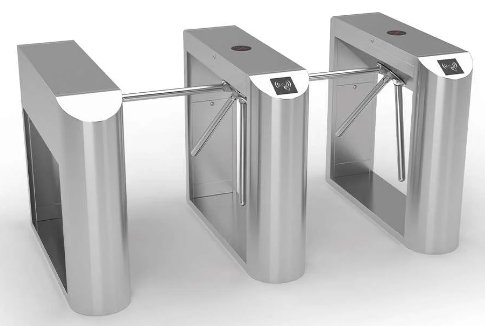
How KARSUN turnstile Supports Ticketed and Public Transport Entrances
На сайте Турникет KARSUN, we match the gate setup to how a station manages tickets and crowd traffic. We also look at weather risks and wheelchair access. We check the lane floor plan and the controller connections with your project team. This ensures the turnstile acts as a vital part of a working door, not just a lonely metal box. The ticketing system, turnstile scanner, and gate-release rules must still undergo strict checks for every single project. Do this before making the machines and setting them up.
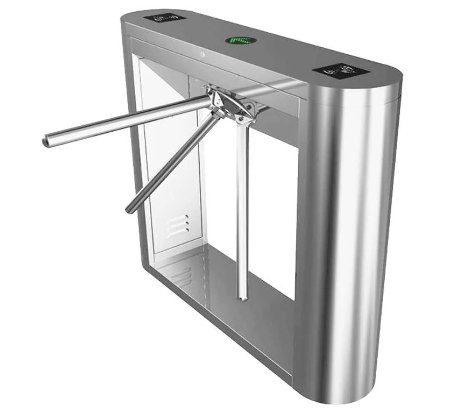
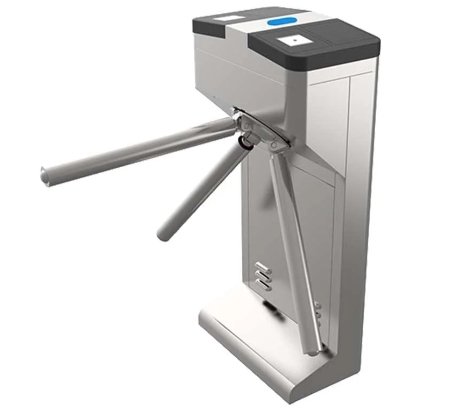
For an outdoor or slightly exposed ticket lane, JS-SGZ006 Ticket Tripod Turnstile Gate For Outdoor comes with automatic or semi-automatic choices. It features IP65 water and dust protection. It also works smoothly with existing or custom ticketing software. This solid mix makes it a great choice for places where the gate connects to a ticket network but faces harsh weather. Always confirm the exact software link and the working setup for your specific project.
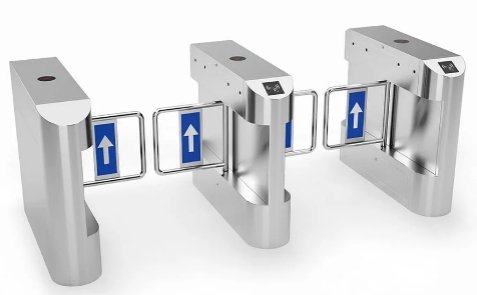
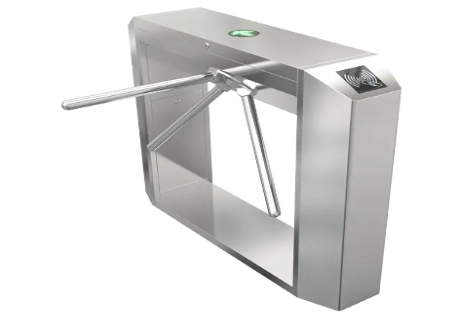
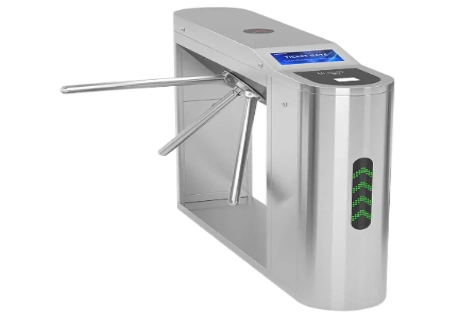
Sometimes a classic three-arm design fits the station’s crowd control needs. Here, JS-SGZ002 Semi-Automatic Turnstile Tripod Gate provides a simple, one-person-at-a-time format. It works very well for subways and large event spaces. You can pick this model when the management team wants a clear, steady walking pace. The station’s ticketing computer must provide a matching open signal.
For a space-saving and budget-friendly lane, JS-SGZ001 Мостовой турникет-трипод uses a strong three-arm machine. It features a stainless steel 304 body. The product details show it works with many access-control systems. You can use it indoors or outdoors. It fits projects that want neat and orderly foot traffic. You must still check the exact local weather conditions and the wiring needs at the building site.
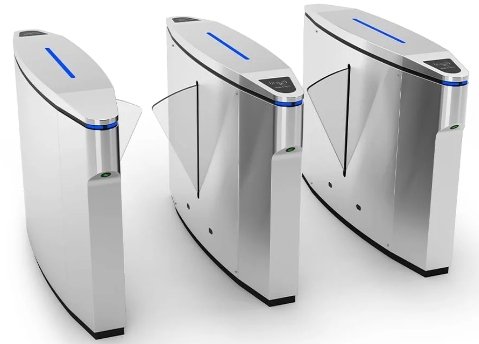
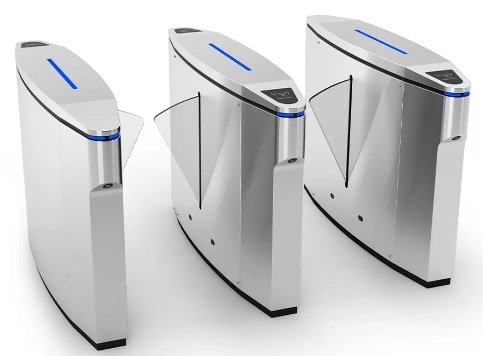
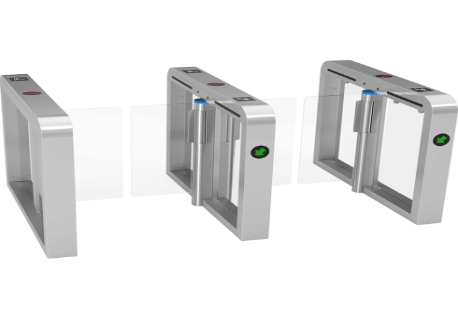
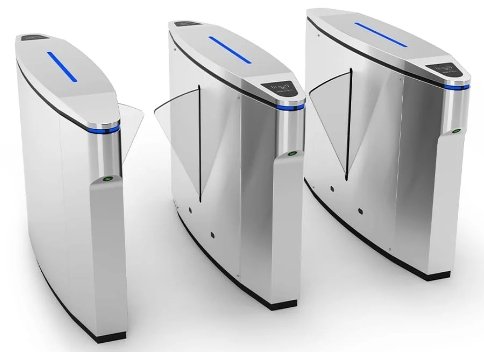
If the doorway needs a flap-style barrier, JS-TD6301-21 Flap Barrier Turnstile Gate features a tough stainless steel 304 body. People use it in hotels, subways, clubs, gyms, and smart office buildings. Its flap design fits station teams wanting a wider, more open feeling. However, you must check the final lane width, the sensor rules, and the crossing speed against real passenger needs.
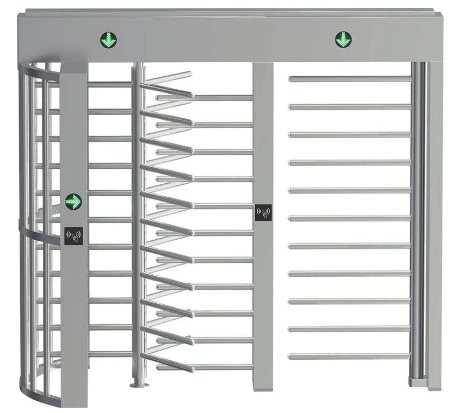
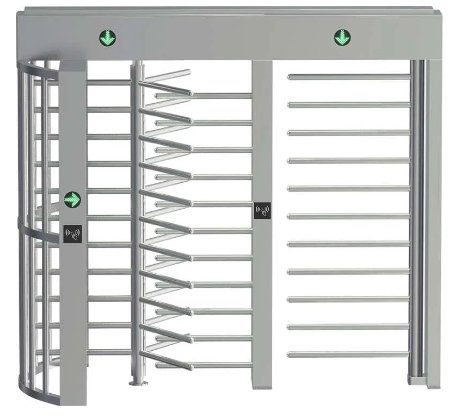
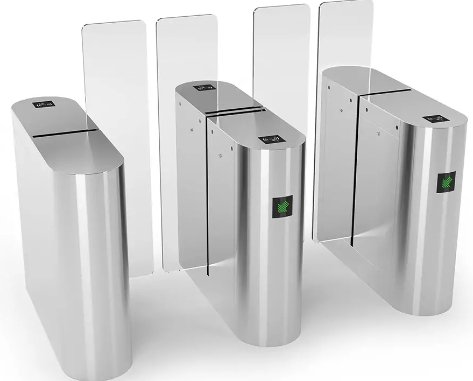
Sometimes the station needs a totally separate, wider path. For this, JS-QGZ011 Signal Lane Full Height Turnstile Gate with Handicap Lane provides a tall security setup along with a handicap lane. The project team must measure the lane width. They must check local wheelchair access laws. Do not just trust a product name to guarantee legal compliance.
These choices are not simple swap-in answers for every single station. At KARSUN turnstile, we help explain the planned foot traffic and the ticket reader links. We also look at the building space and the future repair plan. This helps managers compare different setups against their own true needs. We also talk about OEM/ODM requests and setup tips during the early planning stage. Our goal remains very practical. We want a gate that fits the station’s ticket rules. It must give people a clear path. Finally, workers must fix it without any guessing.
ЧАСТО ЗАДАВАЕМЫЕ ВОПРОСЫs
Q: What type of turnstile is best for a metro station?
A: It heavily depends on total passenger numbers and the ticketing process. You must also look at security rules, floor space, weather risks, and wheelchair laws. Tripod, flap, and full-height styles each handle different door conditions. Compare these models directly against your real peak traffic numbers and the station floor plan.
Q: How does a metro station turnstile handle an invalid ticket?
A: The ticketing computer must send a firm rejection signal to the gate controller. The gate stays locked. The passenger must get a very clear visual light or a loud beep. Workers need a strict rulebook for handling expired, copied, broken, or argued tickets.
Q: Can turnstile autocheck keep working if the station network goes offline?
A: That outcome depends completely on the fare software and the controller design. Before you start using the gates, decide if the machine can check cards offline. Figure out how it saves event logs. Know what rules the staff can bypass. Finally, learn how the gate sends saved data back to the main server when the internet returns.
Q: What should I ask about turnstile repair and maintenance?
A: Ask the supplier which parts need regular checking. Find out what clues point to a worn sensor or a tired motor. Ask which spare parts stay in stock locally. Know who holds the password to change settings. Learn how workers report a broken machine and ask for help. Also, confirm the official repair schedule for your specific model and local weather conditions.
Q: Does a metro station need an accessible turnstile lane?
A: Most public transit projects demand an accessible route. However, the exact shape and size depend heavily on local wheelchair laws and the building layout. You must confirm the clear width and the turning space. Check the reader placement, the warning signs, and the emergency power-loss action with your main project team.