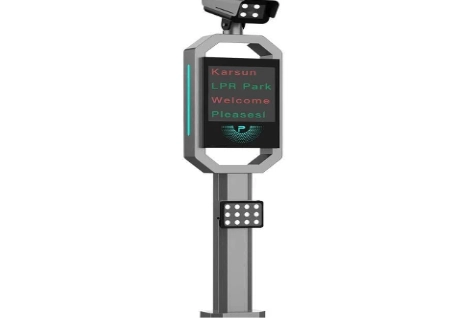
Introduction to Turnstile Gates
Turnstile gates are innovative access control devices designed to manage the flow of individuals in various environments while maintaining security. These mechanisms typically consist of a revolving barrier that permits entry only when a valid access credential is presented. The primary purpose of turnstile gates is to safeguard restricted areas and enforce access control effectively. As such, they are widely adopted across several sectors, including public transportation systems, sports stadiums, corporate offices, and entertainment venues.
In public transportation settings, such as subways and bus stations, turnstile gates serve a dual function: they are instrumental in restricting access to authorized passengers and collecting fare payments. These gates streamline the boarding process, allowing for a more efficient flow of commuters while discouraging fare evasion, thereby enhancing ticket revenue. Furthermore, the controlled entry provided by turnstile gates contributes to passenger safety by reducing overcrowding and ensuring that only ticketed individuals access platforms or waiting areas.
In stadiums and large event spaces, turnstile gates offer a critical layer of security by managing crowds and ensuring compliance with entry regulations. The integration of card readers with turnstile systems allows for a smooth and quick check-in process, facilitating a positive experience for guests. This level of access control is vital in preventing unauthorized entry and ensuring that the event remains secure.
Corporate buildings also leverage turnstile gates to enforce security protocols. Organizations often utilize these systems to monitor employee attendance and restrict access to sensitive areas. By utilizing turnstile gates equipped with card readers, businesses can maintain a record of individuals entering and exiting the premises, thereby improving overall security management. The effectiveness of these mechanisms in safeguarding properties and sensitive information cannot be overstated, establishing them as essential components of modern access control systems.
Understanding Card Readers: Technology and Functionality
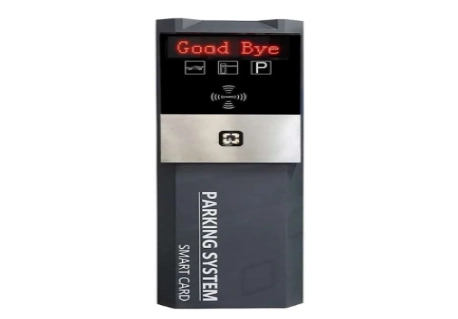
Card readers are pivotal components in modern access control systems, particularly when integrated with turnstile gates. These devices employ various technologies to authenticate users, restrict access, and enhance security. Typically, card readers function by reading data from access cards that users present at the entry point. The most common technologies used include Radio Frequency Identification (RFID) and magnetic stripe reading.
RFID card readers operate by transmitting radio waves to communicate with RFID-enabled cards. When an authorized card is held near the reader, it activates the card’s embedded microchip, which then transmits its unique identification information back to the reader. This process often takes just a few seconds, allowing for rapid entry and minimizing congestion at access points. RFID technology is renowned for its durability and versatility, as it can support a wide range of card formats, including proximity cards and smart cards, which often come with advanced security features like encrypted data transmission.
On the other hand, magnetic stripe card readers require physical contact with the card. These readers decode the information contained within the black magnetic stripe found on the back of cards. While effective, magnetic stripe technology is more susceptible to wear and can pose security risks as the data is stored in plain format, making it easier to clone or duplicate. Despite its limitations, magnetic stripe technology is still widely used due to its low implementation cost and ease of use.
The authentication process established by card readers is crucial in preventing unauthorized access. By requiring users to present valid credentials before they can interact with a turnstile gate, the technology ensures that only authorized individuals can enter secured areas. The synergy of turnstile gates and card readers not only streamlines access control but also reinforces security measures within various environments, from corporate offices to transportation hubs. Understanding these technologies highlights their transformative impact on access control systems.
Benefits of Using Turnstile Gates with Card Readers
The integration of card readers with turnstile gates has become increasingly popular in modern access control systems, offering a multitude of benefits that enhance both security and operational efficiency. One of the most significant advantages is the improved security they provide. Turnstile gates serve as a physical barrier, requiring authorized personnel to swipe their cards before entry. For instance, in a corporate setting, these gates can prevent unauthorized individuals from entering sensitive areas, thereby protecting valuable assets and data.
Streamlined access control is another critical benefit of using turnstile gates with card readers. By automating the entry process, organizations can effectively reduce bottlenecks during peak times. For example, in public transportation systems, implementing these gates simplifies fare collection and minimizes wait times, leading to an overall better experience for commuters.
Moreover, integrating card readers with turnstile gates leads to reduced labor costs. Traditional security setups often require personnel to monitor access points, a resource-intensive practice that can lead to increased expenditure. In contrast, automated access control systems minimize the need for full-time security staff while maintaining high-security standards. This is especially beneficial for venues such as stadiums or large events, where crowds can be managed effectively without the need for significant human oversight.
Data collection for user analysis is an often-overlooked but valuable advantage. Turnstile gates equipped with card readers can provide detailed logs of entries and exits, enabling organizations to analyze user patterns and improve operational efficiencies. For example, a university could discern peak visitation times for library access and make adjustments accordingly, improving resource allocation.
Finally, enhanced user experience is a paramount benefit. The seamless interaction between card readers and turnstile gates offers convenience, encouraging user compliance while reducing frustration. Users appreciate quick and easy access, which can be particularly advantageous in high-traffic environments such as airports or stadiums, where efficient entry is crucial for overall satisfaction.
Design and Types of Turnstile Gates
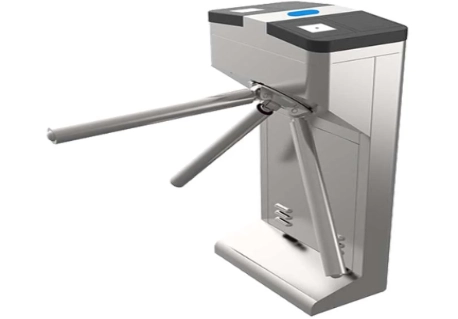
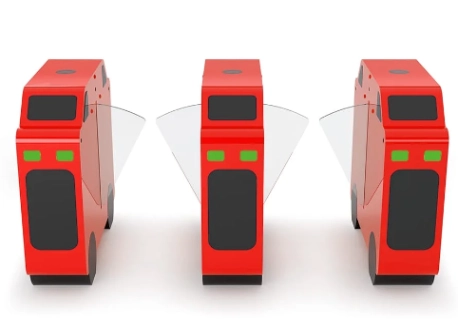
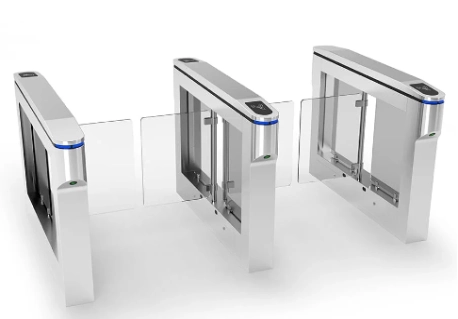
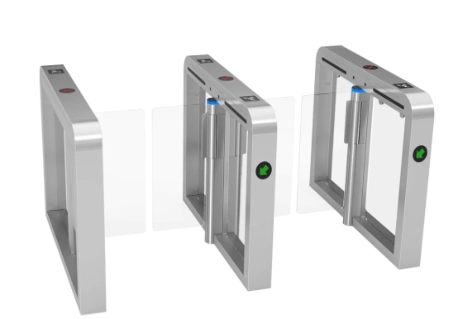
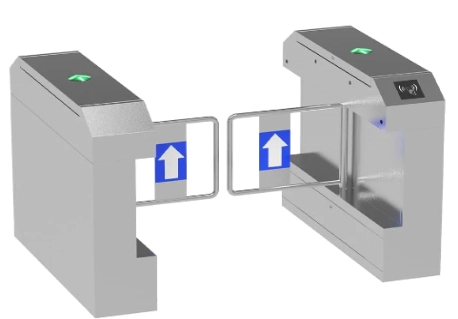
Turnstile gates are versatile access control solutions designed to effectively manage pedestrian flow while enhancing security. These gates come in various designs, each tailored to meet specific operational needs and aesthetic preferences. Three prevalent types are tripod turnstiles, full-height turnstiles, and optical turnstiles, each with distinct characteristics suited for different environments.
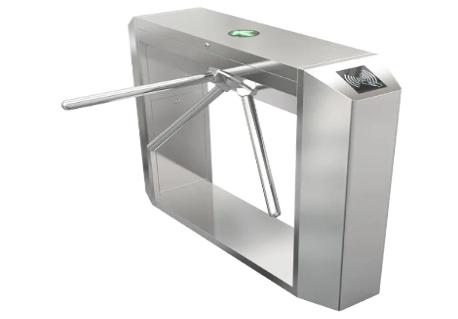
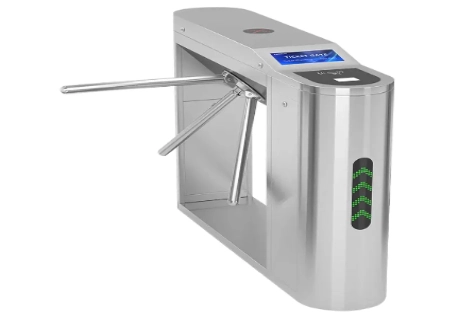
Tripod turnstiles are among the most commonly utilized designs, featuring three rotating arms that allow one person to pass at a time. This design is particularly effective in areas with high foot traffic, such as stadiums and amusement parks, where efficient crowd management is crucial. Due to their compact nature, tripod turnstiles are easy to install in various spaces while maintaining functionality. However, they may lack the security level required for more sensitive environments, as the height of the arms can be scaled.
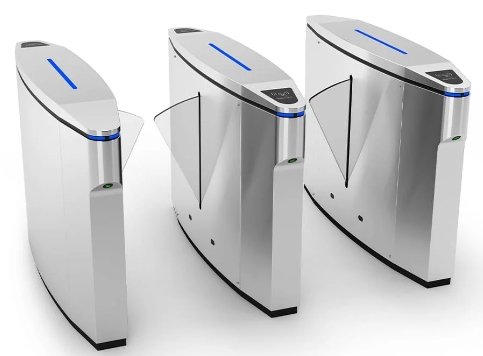
Full-height turnstiles, on the other hand, provide maximum security by extending to the full height of an adult. This design is ideal for locations that require controlled access to restricted areas, like data centers or transportation hubs. The enclosed structure enhances visibility and deters unauthorized access, making it an excellent choice for sensitive environments. While they offer superior security, full-height turnstiles may be less visually appealing and require more space for installation.
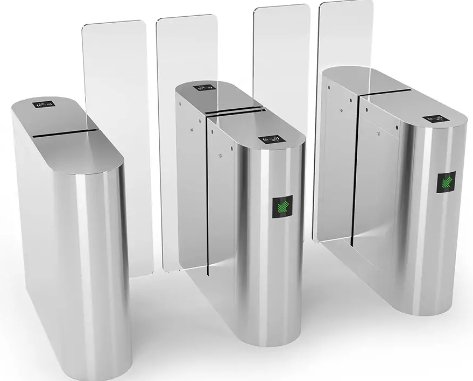
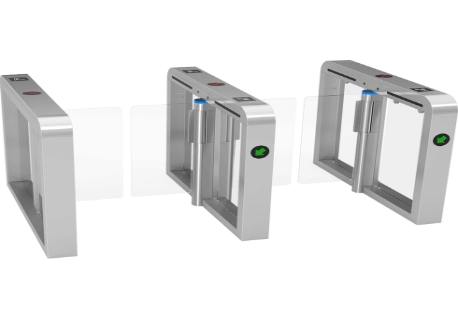
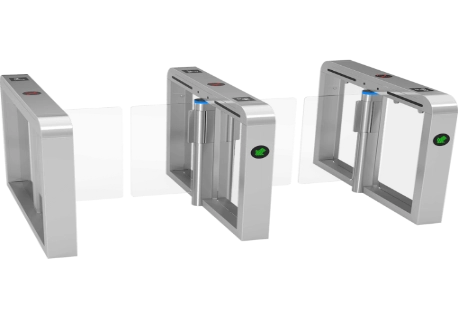
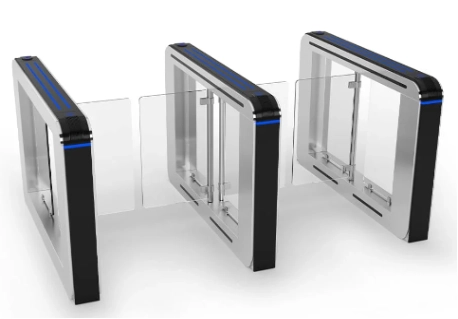
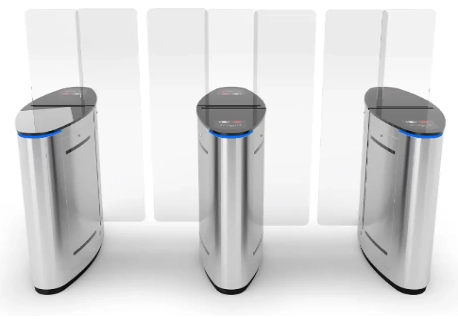
Optical turnstiles offer a modern approach to access control by using sensors to detect authorized card use, allowing passage through a transparent barrier. This design is well-suited for upscale environments such as corporate offices or airports, where aesthetics and rapid access are key considerations. Optical turnstiles provide a seamless user experience but may require more sophisticated technology for optimal functionality.
In summary, the choice of turnstile gate depends on the specific requirements of the setting in which they are installed. Tripod turnstiles offer compact security, full-height turnstiles ensure maximum protection, and optical turnstiles deliver a balance of style and efficiency. Understanding these design differences is essential for selecting the most suitable access control solution.
Installation Process for Turnstile Gates with Card Readers
The installation of turnstile gates equipped with card readers requires a systematic approach, ensuring that the process is both efficient and effective. First and foremost, a comprehensive site assessment must be undertaken. This phase involves evaluating the space where the turnstile gates will be installed, taking into account factors like foot traffic patterns, entry points, and potential security vulnerabilities. A detailed plan is developed based on these observations, identifying the precise locations for the turnstile gates to maximize their accessibility and functionality.
Next, it is crucial to consider the electrical requirements for the turnstile gates and card readers. These systems often require a stable power source and network connectivity to function optimally. Therefore, organizations should coordinate with electrical engineers to assess the existing electrical infrastructure, ensuring that it can accommodate the additional load posed by the turnstile systems. Furthermore, sufficient cabling should be laid out in advance, particularly if the turnstile gates are to be seamlessly integrated with other security measures.
The integration of turnstile gates with existing security systems is another vital factor in the installation process. Organizations need to ensure that their card readers can effectively communicate with existing access control software. This may involve programming or configuring the gates to work with current security protocols. Collaboration with IT and security personnel is essential at this stage to align the functionalities of the new installation with the existing systems, thereby enhancing overall security effectiveness.
Finally, it is essential to conduct thorough testing post-installation to ensure that the turnstile gates and card readers function as intended. This step verifies both the accessibility and security functionalities of the system, ensuring that users experience a smooth and secure interface when accessing the premises.
Challenges and Considerations
Implementing turnstile gates with card readers in modern access control systems can present various challenges that organizations must address to ensure a smooth transition and effective operation. One significant challenge is compatibility with existing systems. Organizations often utilize a combination of legacy and contemporary access control systems, which may not seamlessly integrate with new turnstile technology. This lack of compatibility can lead to increased costs and complications during installation, requiring thorough assessments and possibly the need for additional investment to ensure that all elements work harmoniously.
Another concern is potential user resistance. Employees and facility users may be accustomed to previous access control methods, leading to reluctance in adapting to turnstile gates with card readers. Effective communication strategies are crucial to educate users on the benefits and functionalities of the new system. Organizations may also need to be prepared for feedback and concerns, providing reassurance about both the security and convenience offered by the turnstile gates.
Furthermore, maintenance needs present a vital consideration. Turnstile systems equipped with card readers often require regular upkeep to ensure they operate correctly and efficiently. This includes routine inspections, software updates, and hardware maintenance. Organizations must establish a maintenance schedule and allocate appropriate resources, which could affect operational budgets and staffing.
Lastly, the importance of training staff cannot be overlooked. Proper training ensures that employees are confident in using and managing the new access control system, which is essential for maximizing its effectiveness. Organizations should develop comprehensive training programs that cover not only the operational aspects of the turnstile gates but also how to address user issues that may arise. By addressing these challenges and considerations, organizations can successfully enhance their access control systems with turnstile gates and card readers.
Real-World Case Studies
Turnstile gates equipped with card readers have evolved into a preferred access control solution across various industries due to their efficiency and effectiveness in enhancing security. Several real-world case studies illustrate the successful implementation of these systems, highlighting both the challenges faced and the positive outcomes achieved.
One notable case is that of a large corporate office building in New York City, which struggled with unauthorized access and employee safety concerns. Upon implementing turnstile gates with integrated card readers, the organization witnessed a significant decrease in security breaches. The gates were installed at all entry points and were synchronized with the existing electronic access control system. This integration enabled an effortless transition for employees, who could scan their identification cards to gain entry. Within six months, the company reported a 50% reduction in unauthorized entries, showcasing the effectiveness of turnstile gates in enhancing security.
Another successful implementation can be observed in a major transportation hub. Faced with challenges related to crowd control and fare evasion, the management opted for turnstile gates with card readers as part of a modernization initiative. These gates helped streamline the flow of passengers, reducing wait times during peak hours. Additionally, the card reader technology allowed for real-time monitoring, enabling efficient tracking of passenger numbers. Following the installation, the facility noted a 20% increase in revenue from ticket sales, as fare evasion significantly declined thanks to the enhanced security measures.
Lastly, a university campus integrated turnstile gates with card readers to manage access to dormitories and resource centers. The initiative aimed to improve student security and control access for external visitors. By incorporating biometric features into the card readers, the university enhanced authentication capabilities. The outcome was remarkable, with a 40% decrease in unauthorized access incidents reported within the first year, reinforcing the advantages of this security measure in educational institutions.
Future Trends in Access Control Technology
As we look toward the future of access control technology, significant advancements are paving the way for enhanced security and streamlined user experiences. Among these advancements, turnstile gates equipped with card readers are increasingly becoming integrated with biometric identification systems. This trend leverages the unique biological characteristics of individuals, such as fingerprints or facial recognition, to provide a higher level of security than traditional methods. Biometric systems can reduce the risk of unauthorized access, as they require an individual to present proof that cannot be easily replicated or stolen.
Another noteworthy trend in access control is the growing adoption of mobile access systems. With the rise of smartphones, organizations are now exploring ways to incorporate mobile devices as key tools for accessing secured areas. Mobile access not only provides convenience for users but also offers a dynamic security solution, as digital keys can be easily revoked or modified through secure applications. This innovation in access control allows turnstile gates to seamlessly accept authorization through mobile credentials, thus streamlining the entry process while maintaining strict security standards.
Additionally, cloud-based management systems are revolutionizing the way access control is monitored and managed. These systems offer centralized platforms where security personnel can oversee access permissions, view real-time data analytics, and manage security protocols from any location. This capability enables organizations to respond swiftly to security threats and operational needs, making turnstile gates with card readers an integral component of a broader, more responsive access control strategy.
Overall, these emerging trends signify a shift toward enhanced security solutions within the access control landscape. The integration of biometric identification, mobile access, and cloud-based management reflects a commitment to evolving security practices that meet the demands of modern environments, resulting in safer, more efficient entry systems.
Conclusion
In assessing the benefits of integrating turnstile gates with card readers into modern access control systems, several key advantages emerge. First and foremost, these systems significantly enhance security protocols by regulating entry and exit points, ensuring that only authorized personnel have access to secure areas. The sophisticated technology embedded within card readers minimizes the risk of unauthorized access, creating a safer environment for employees and visitors alike.
Furthermore, the incorporation of turnstile gates with card reading technology drastically improves the overall efficiency of access management. The automated processing reduces wait times at entries, thus streamlining the flow of individuals in busy environments such as office buildings, transit stations, and event venues. This efficient movement is not only beneficial for day-to-day operations, but it also presents a polished image of the organization, reinforcing professionalism among employees and visitors.
Another significant advantage is the ability to gather valuable data on access patterns, which can inform security strategies and operational decisions. Organizations can monitor who enters and exits at what times, providing critical insights that enhance overall security measures. The integration of these card readers into turnstile systems further promotes accountability and traceability, which are essential components of effective security management.
Considering the multitude of advantages that turnstile gates with card readers offer, it is advisable for businesses to invest in this technology. By embracing such advanced access control solutions, organizations not only safeguard their premises but also elevate their operational efficiency and visitor experience. Therefore, it becomes clear that this technology is not simply an enhancement but a necessity for modern security infrastructures.