In 2026, biometric access control has moved beyond a high-end upgrade reserved for airports or government buildings. It has become a standard requirement for warehouses, factories, and commercial buildings that seek stronger security and quicker identity verification.
The real challenge lies not in the biometric system itself. It centers on how to integrate the system smoothly with existing swing gate turnstiles. This must occur without tearing down infrastructure or rewiring the entire setup.
Compatibility of Biometric Access Systems with Existing Turnstile Gates
Before any integration begins, compatibility remains the first concern. Not every swing gate stands ready for modern authentication systems.
Electrical Interface Adaptability
Most modern swing gate systems come with standard dry contact signal inputs. These inputs let biometric devices such as fingerprint scanners, facial recognition terminals, or RFID readers connect directly.
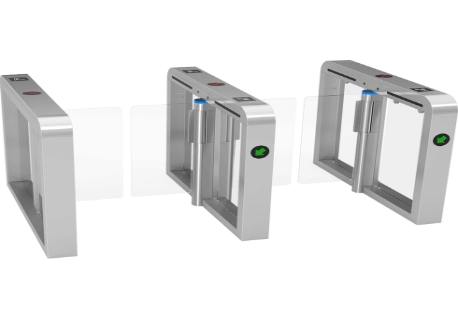
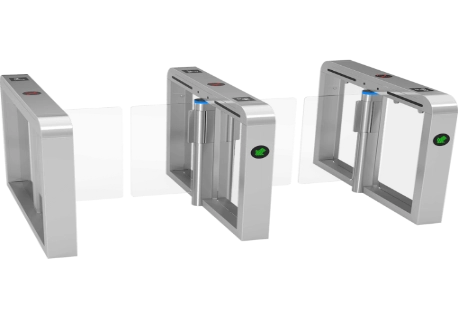
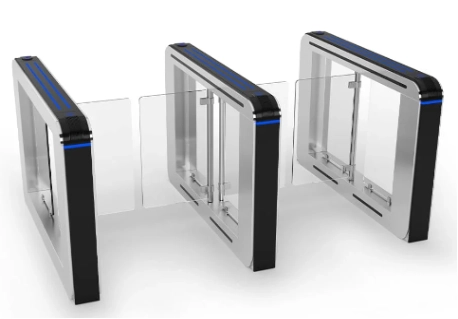
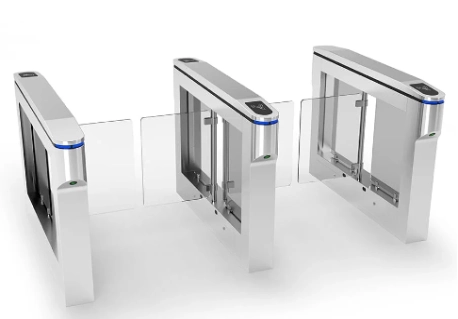
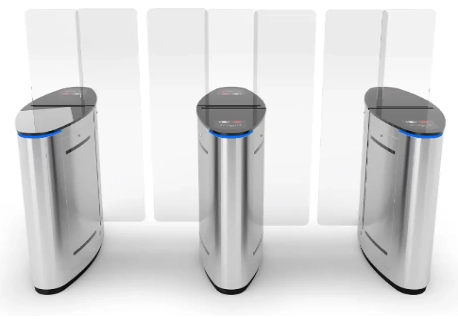
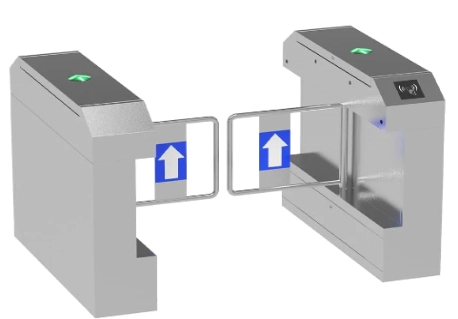
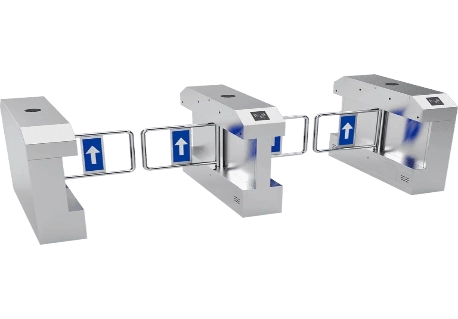
For example, JS-BZ001 Luxury Swing Gate Turnstile is designed with flexible input interfaces. These interfaces accept third-party biometric signals with ease.
Mechanical Mounting Considerations
Biometric devices require stable mounting positions. Swing gate housings offer flat and reinforced surfaces. Readers can be installed on these surfaces without disturbing gate movement or balance.
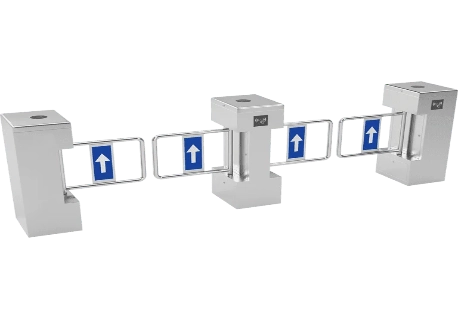
In models like JS-BZ002 Luxury Swing Gate, the top panel is engineered for multi-device installation. This design makes integration more stable.
Integration with Existing Turnstile Systems
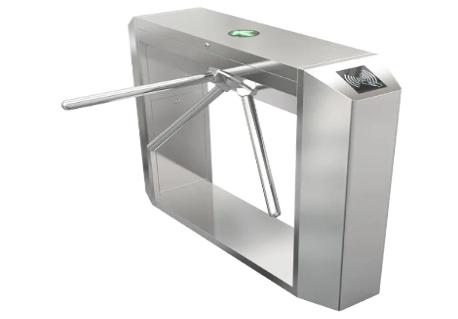
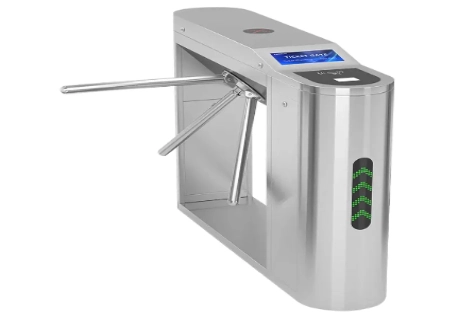
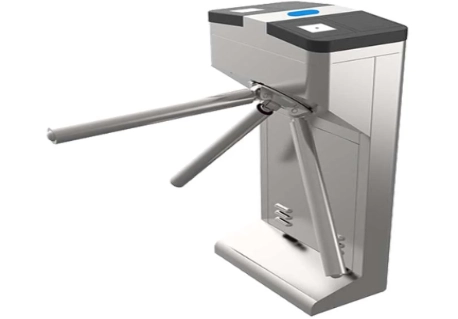
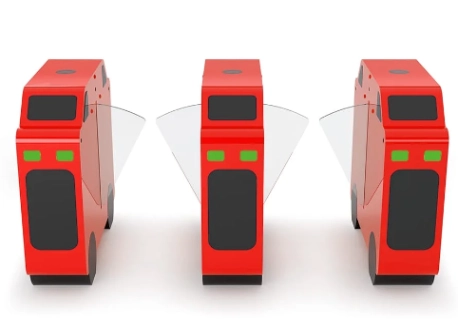
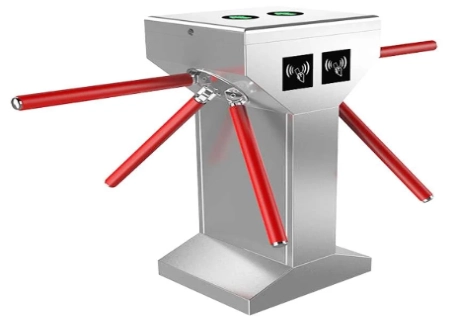
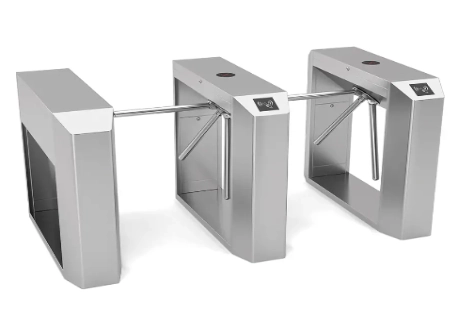
In retrofit projects, swing gates are often paired with existing tripod or flap systems. The objective is layered access control rather than complete replacement.
Even older infrastructure can support upgrades. This becomes possible when the swing gate is set up as the intelligent entry point.
Overcoming Wiring Challenges Without Major Infrastructure Changes
One of the largest concerns in 2026 retrofit projects involves wiring disruption. Most operators prefer to avoid shutting down operations for extensive rewiring.
Leveraging Existing Power Supply Lines
Most swing gate systems already run on standard DC or AC power inputs. Biometric devices can often share the same power source. Proper voltage regulation modules make this sharing possible.
This approach reduces installation time in a significant way.
Simplified Signal Transmission Methods
Modern systems avoid complex rewiring. They rely instead on dry contact signals or Wiegand and RS485 communication protocols. These methods enable biometric systems to communicate with the swing gate controller. No physical redesign is required.
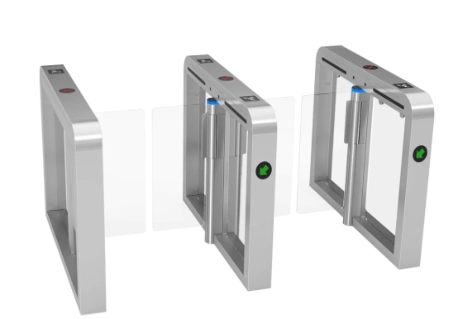
For example, JS-BZ003 Luxury Swing Gate supports modular control boards. These boards simplify signal integration and lower wiring complexity.
Software and Protocol Compatibility Between Systems
Hardware integration forms only part of the process. Software compatibility decides whether the combined system operates smoothly in daily use.
Centralized Access Control Platform Integration
In modern warehouse environments, one platform usually manages all entry data. Biometric authentication, swing gate control, and visitor logs must synchronize in real time.
Communication Protocol Support
Swing gate systems today commonly support protocols such as TCP/IP, Wiegand, and RS485. These protocols allow biometric devices to connect to centralized controllers. No custom development is needed.
Synchronization of Authentication Logs and Entry Events
Every entry event requires proper recording. This includes who entered, when the entry occurred, and through which gate. Such records support security auditing and operational tracking.
With correct integration, swing gate systems can send real-time logs to access management platforms. The transfer happens without delay.
Managing Retrofit Costs While Enhancing Security Capabilities
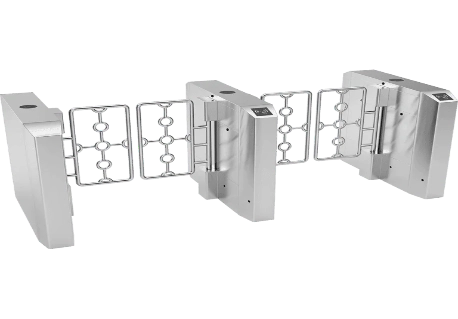
Upgrading to biometric access does not always demand full system replacement. In many cases, smart integration delivers better cost efficiency.
Cost-Benefit Analysis of Partial Upgrades vs Full Replacement
Most facilities discover that upgrading only control modules and readers delivers clear savings. This may lower retrofit costs compared with full replacement, especially when the existing gate body remains usable.
Modular Design for Scalable Deployment
Modern swing gate systems like JS-BZ005 Luxury Swing Gate use modular architecture. Controllers, motors, and readers can therefore be upgraded separately.
OEM Support and Customization Services from KARSUN turnstile
At Tourniquet KARSUN, swing gate systems are designed with OEM flexibility. This approach supports future needs.
We provide customized biometric integration for fingerprint, facial recognition, QR scanning, and RFID systems. Our engineering team assists clients in matching hardware interfaces to their current security platforms.
We also provide:
- Modular controller upgrades for existing installations
- Custom bracket design for biometric devices
- Protocol adaptation for third-party software systems
- Industrial-grade swing gate solutions for high-traffic environments
Many KARSUN turnstile swing gate systems can support scalable access control upgrades when the controller and reader interfaces are properly matched.
Avoiding Full Turnstile Replacement Through Smart Integration Techniques
Many companies believe that any upgrade requires total replacement. In practice, smart integration lets existing swing gate systems evolve. They do not need to be removed.
Retaining Mechanical Infrastructure While Upgrading Electronics
The mechanical structure of swing gates usually offers the greatest durability. Upgrading only the control board and authentication system often proves sufficient to modernize the complete entry setup.
Plug-and-Play Biometric Modules
New biometric modules increasingly feature plug-and-play design. They can be installed directly into existing swing gate systems. Minimal configuration is necessary.
Long-Term Maintenance Efficiency and System Longevity
When mechanical systems stay in place and only electronics are upgraded, maintenance becomes simpler. Lifecycle costs drop in a noticeable manner. This method also prevents downtime that would occur during full replacement projects.
FAQ
Q : How can biometric systems be integrated with swing gate turnstiles without rewiring?
A: Most modern swing gate systems support standard communication protocols like Wiegand or RS485. These allow biometric devices to connect without major electrical changes.
Q : Are swing gate turnstiles compatible with fingerprint and facial recognition systems?
A: Yes, swing gate systems with dry contact inputs and modular controllers can easily support fingerprint scanners and facial recognition devices.
Q : What is the most cost-effective way to upgrade access control to biometric systems?
A: The most cost-effective approach is retaining existing swing gate hardware and upgrading only controllers and biometric modules.
Q : Can swing gate turnstiles support multiple biometric authentication methods?
A: Yes, advanced systems can support hybrid authentication including RFID, fingerprint, QR code, and facial recognition simultaneously.
Q : What maintenance is required after integrating biometric systems with swing gates?
A: Maintenance mainly focuses on sensor calibration, controller updates, and mechanical inspection of the swing gate structure to ensure smooth operation.