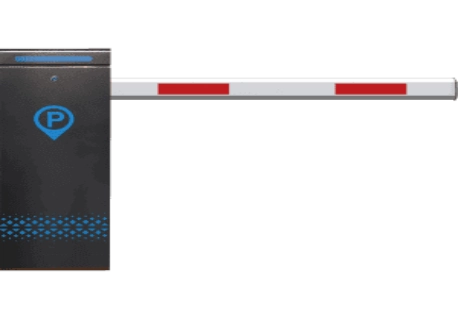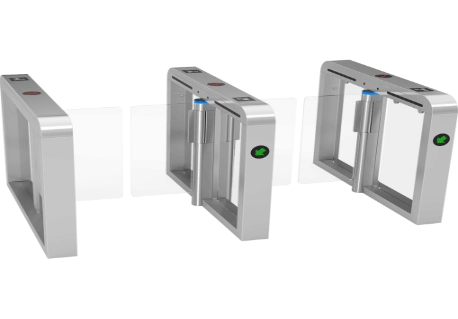
A turnstile gate used to be a simple checkpoint. People tapped a card, pushed through, and moved on. In 2026, that is no longer enough for many buildings. Offices want cleaner visitor records. Gyms want fewer shared cards. Factories want shift traffic to move without a crowd at the gate. Data centers want every entry to feel boring, traceable, and hard to trick.
That is why buyers are searching for smarter security turnstiles, not just a stainless steel lane with a reader on top. The real question is practical: which turnstile type fits the site, what access method should be connected, how much will the project cost, and what should be planned before turnstile installers arrive?
This guide walks through those decisions in plain English. It compares common turnstile options, explains the difference between entry control methods, and shows how KARSUN turnstile products can support scalable access control without making the entrance feel complicated.
Why Turnstile Access Control Feels Different in 2026
The entrance has become a data point. It is still a physical place where people walk in, but now it also tells the facility team who entered, when they entered, which permission rule was used, and whether the lane behaved normally. That sounds technical, but the day-to-day value is simple: fewer arguments at reception, fewer blind spots, and a better way to manage traffic when the building gets busy.
A turnstile gate also forces a clear decision. A door can be held open. A guard can get distracted. A shared card can pass from one person to another. A controlled turnstile lane makes access more intentional.
From Door Access to Managed Pedestrian Flow
Door access answers one question: can this credential unlock the door? A turnstile access control system answers more questions: is only one person passing, is the direction correct, should the lane stay normally open or normally closed, and should an alarm be triggered if someone tries to follow too closely?
That matters in real buildings. During morning rush hour, one narrow door can create a line. During a shift change, a factory may need workers to pass quickly but still keep records. During a guest visit, reception may need a temporary QR code instead of asking, what’s the password, every time someone reaches a controlled area.
Why Tailgating Is Still the Quiet Problem
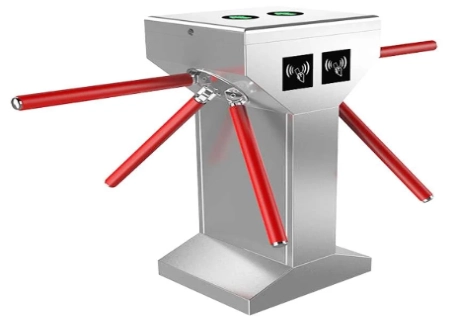
Tailgating is rarely dramatic. Most of the time, it is just someone walking too close behind an authorized user. Yet that small gap can weaken the whole access plan. Waist height rotating turnstiles and tripod turnstiles help because they create a one-person-at-a-time rhythm. Optical and high speed gates help by using sensors and alarms to detect unusual movement.
What Buyers Mean by Smarter Security Turnstiles
Smarter security turnstiles are not smart because they look futuristic. They are smart when the hardware, controller, reader and software work together cleanly. A good system should support card access today, QR codes tomorrow, and facial recognition later if the site needs it. It should also keep the manual setting options clear enough for a technician to adjust opening direction, lane mode, alarm behavior and emergency release without turning a small change into a service drama.
Turnstile Gate vs Manual Entry Checks
The turnstile gate vs manual check debate is common because both methods can work. The better choice depends on risk, traffic volume and staffing. A small private office may accept manual visitor checks. A busy building, metro-style lobby, gym or industrial site usually needs something more consistent.
Where Manual Checks Still Help
Manual checks are useful when judgment is needed. A receptionist can handle unusual guests, deliveries, VIP visits and people who forgot a card. A guard can watch behavior that a sensor cannot fully understand. For that reason, automated turnstiles should support staff instead of pretending staff no longer matter.
Why Automated Lanes Scale Better
The limit of manual checking is consistency. People get tired. Lines build up. Records become patchy. Automated turnstiles keep the same rule every time: verify, open, close, record. For multi-site projects, that repeatable behavior is the real advantage. A property manager can use the same access logic across an office tower, a warehouse and a staff dormitory entrance.
How User Experience Affects Security
A security lane that annoys everyone will eventually be bypassed. The best turnstile vendors understand this. The lane should open quickly after approval, show clear LED direction prompts, allow emergency release, and leave enough passage width for the people who actually use the site. Security works better when the normal path is also the easiest path.
Choosing the Right Turnstile Type for Real Site Conditions
A turnstile project usually starts with a simple question: which model should go at the entrance? The answer is not just about appearance. The lane type should match traffic speed, security level, available floor space, barrier height, accessibility needs and the access control method.
Tripod Turnstiles for Durable Daily Access
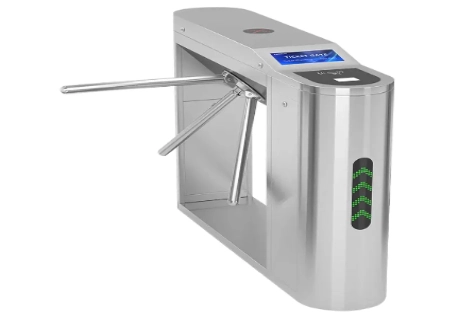
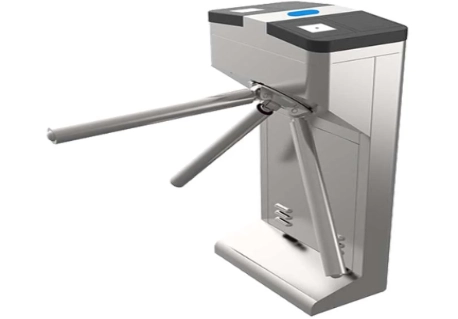
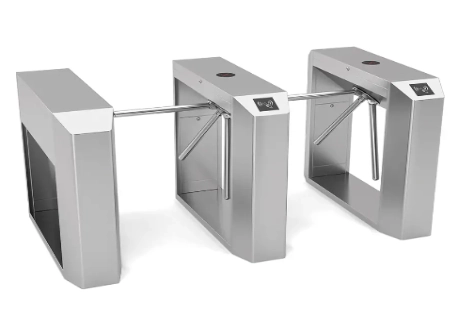
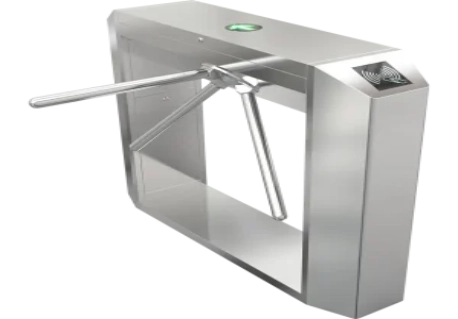
A tripod turnstile is often the cost-conscious choice for steady, everyday access. The JS-SGZ001 Bridge Tripod Turnstile Gate is a good example. It uses a compact bridge structure and a controlled arm barrier, making it useful for factories, gyms, schools and staff entrances where one-person passage is more important than a luxury lobby look.
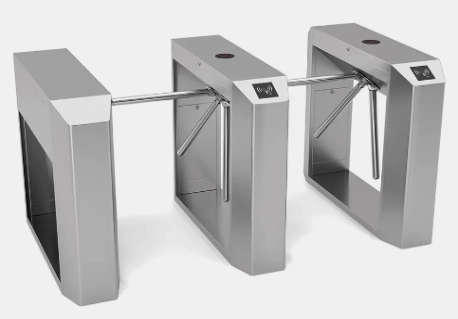
The benefit is durability and predictable movement. The tradeoff is that tripod lanes are not the best match for wheelchair access or premium reception areas. Many projects solve this by pairing a tripod lane with a swing gate lane for wider passage.
High Speed Gates for Busy Commercial Entrances
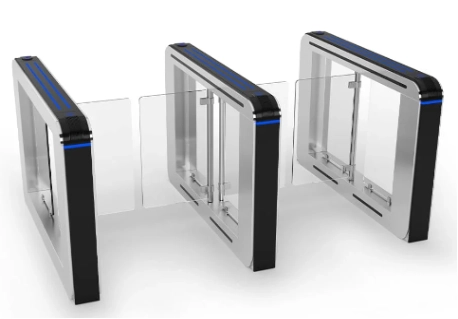
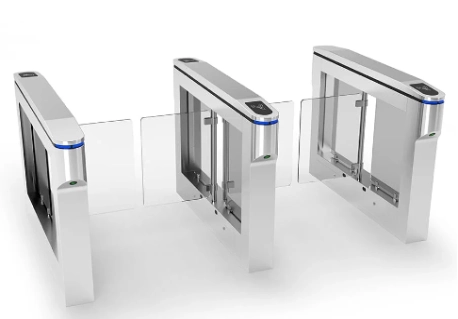
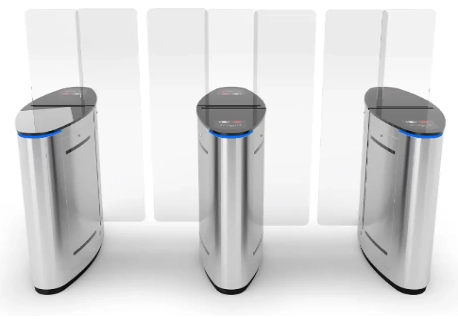
For office towers, campuses, transit-linked buildings and high-end venues, speed gates often feel better. The JS-STM002 High Speed Gate is designed for fast, reliable access control at building entrances while keeping a modern look. Its slim body, glass panels and status indicators make it a natural fit for sites where traffic volume and interior design both matter.
High speed gates also help when the access method is more advanced. A card reader, QR code scanner or facial recognition software device can be mounted or connected so users do not have to stop for long. The lane verifies the permission and opens with a cleaner rhythm.
Flap Barrier and Swing Gate Options for Modern Interiors
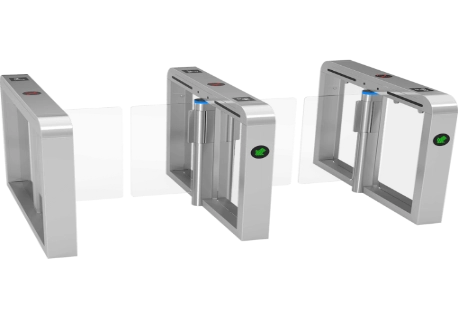
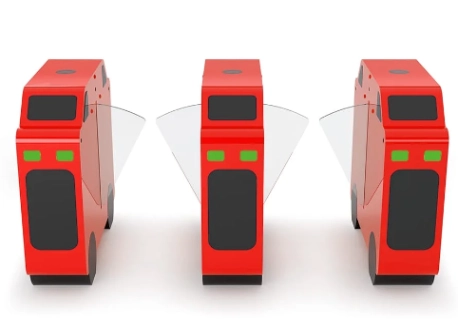
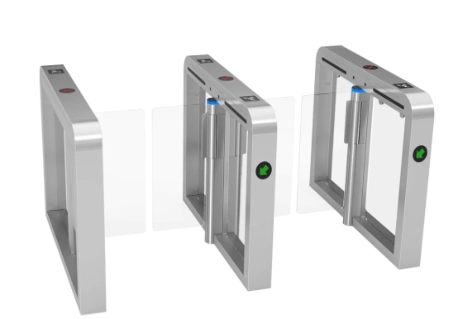
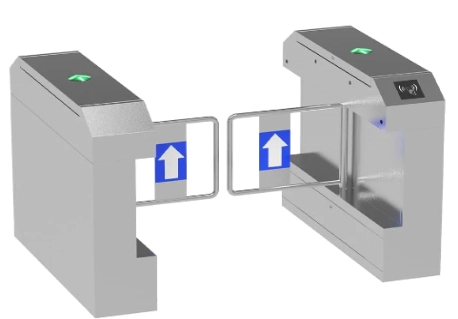
Flap barriers and swing gates are useful when the site wants a smoother visual style. The JS-TD6301-21 Flap Barrier Turnstile Gate gives a polished lane for entrances that need quick access and moderate security. The JS-BZ016 Swing Gate Turnstile manufacturer option supports wider passage and can be useful where accessibility, luggage, stroller movement or mixed visitor traffic must be considered.
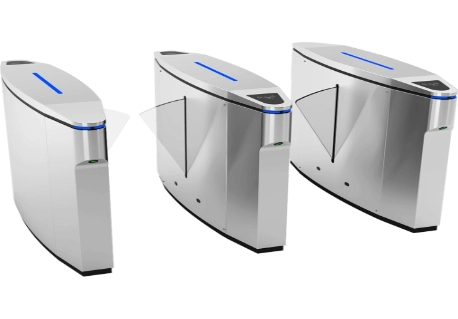
Other projects may need a more specialized lane. The JS-PYZ002 Inclined Surface Sliding Turnstile gives an elegant sliding barrier option for sites that want strong visual control in a refined interior. The JS-BGZ002 Waist Height Rotating Turnstile Gate is better when the priority is anti-tailgating at an exterior or semi-exterior controlled point.
What Changes the Cost of a Turnstile Project
Turnstile cost is not only the price of the stainless steel cabinet. A realistic quote should include lane quantity, reader devices, controller logic, software connection, cabling, site preparation, shipping, installation, spare parts and future service. If those pieces are not discussed early, the project can look cheap on paper and expensive on site.
Lane Quantity and Passage Width
A single lane is simple. A project cost for multi lane turnstile system needs more planning. Buyers must consider entry and exit direction, rush-hour traffic, emergency evacuation, accessible passage and whether one lane should stay wider for visitors or deliveries. A four-lane lobby may need two entry lanes, one exit lane and one flexible lane that changes direction by schedule.
Reader Type and Software Integration
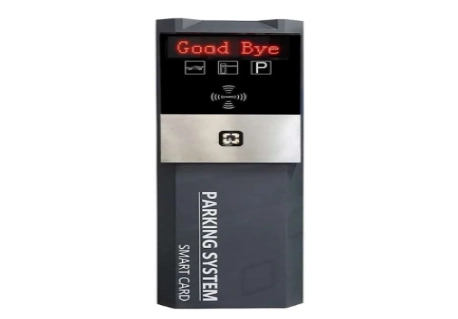
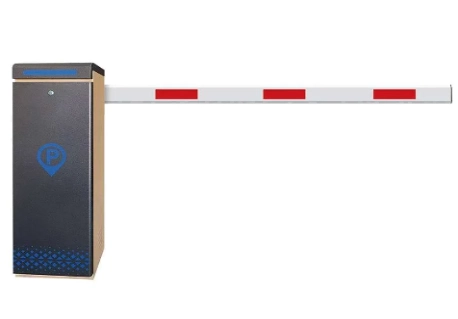
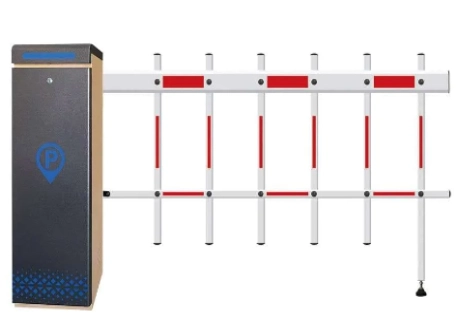
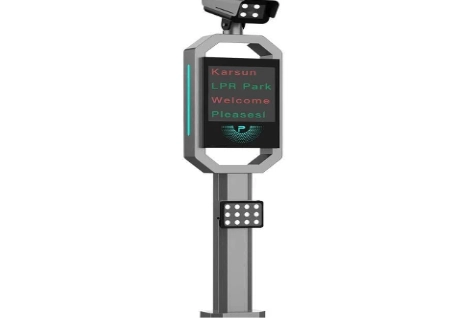
Card access usually keeps the cost lower. QR code access adds visitor flexibility. Facial recognition adds convenience but needs careful privacy, lighting and enrollment planning. A parking ticket system can also be connected when the site needs people to move from vehicle access to pedestrian access under one management logic.
The difference between a basic lane and a fully integrated lane often comes from the control system. Dry contact, RS232 and RS485 options can be customized, so the turnstile can work with the wider access control platform instead of acting like an isolated machine.
Installation, Maintenance and Spare Parts
Turnstile installers should know the floor condition, power position, network route, reader height, lane spacing and emergency wiring before arriving. After installation, turnstile maintenance should be simple: clean the cabinet, check sensors, test alarms, inspect moving parts, review opening speed, and confirm that emergency release still works.
A good maintenance plan protects the original investment. Many KARSUN turnstile models use SUS304 material, optional SUS316 in some cases, and mechanisms designed for high cycle use. That matters because an entrance lane is touched by people all day, every day.
Access Control Integrations Buyers Ask About Most
The best turnstile gate is not just compatible with one reader. It should leave room for the building to grow. A site may start with staff cards, then add QR visitor passes, then connect face recognition at sensitive zones later. Planning this path early saves money and keeps the entrance from becoming a patchwork of add-ons.
Card Reader and QR Code Access
Card readers are still popular because they are familiar and easy to manage. QR codes are helpful for visitors, temporary staff, contractors and event attendees. When a lobby handles both, one lane can support employees with cards while another handles guests with codes. That keeps the front desk from becoming the bottleneck.
Facial Recognition and Visitor Flow
A facial recognition software device can make entry faster for authorized staff, especially at high-traffic entrances. It should be used thoughtfully, with clear enrollment rules and a backup method such as card or QR code. The turnstile still needs to do the physical work: open only for approved users, close after passage, and alert staff when movement looks wrong.
Parking Ticket System and Multi-Area Access
Some buildings connect pedestrian entry with a parking ticket system, elevator control or visitor management platform. This is common in business parks, campuses and transport-linked commercial sites. A visitor can register, park, receive a credential, pass through the turnstile, and move to the permitted area without repeating the same identity check at every point.
Where Turnstile Security Pays Off
Turnstiles bring the most value where traffic is frequent, access rules matter and records are useful. They are not only for luxury buildings. They also work in practical environments where a clean, repeatable entry process saves time every day.
Office and Commercial Building Entrances
In an office building, the entrance has to welcome people and filter people at the same time. Speed gates such as the JS-STM002 High Speed Gate help create a modern front-of-house look while still supporting card, QR or biometric access. For property teams, the benefit is fewer unknown visitors moving beyond reception.
Data Center Turnstile Security
Data center turnstile security is stricter because a small access mistake can have a serious impact. A data center may use layered checks: perimeter access, lobby verification, turnstile passage, mantrap areas and server room authorization. Waist height rotating turnstiles, high speed gates and carefully placed swing gates can all play a role depending on the zone.
Gym, Campus and Public Venue Management
Gyms care about membership sharing. Campuses care about student and visitor movement. Public venues care about fast queues and ticket validation. In these sites, the turnstile should be easy to understand. People should know where to scan, when to walk, and what to do if the lane does not open.
KARSUN turnstile Helps Match the Right Lane to the Right Project
At KARSUN turnstile, we do not treat every entrance as the same entrance. A factory staff gate, a data center checkpoint, a gym reception desk and a commercial lobby need different lane behavior. Our work is to help buyers connect the site problem with the right turnstile structure, access method and project plan.
For durable one-person passage, we can recommend the JS-SGZ001 Bridge Tripod Turnstile Gate or the JS-BGZ002 Waist Height Rotating Turnstile Gate. For a premium office or high-traffic building, the JS-STM002 Snelle poort provides fast access control with a clean appearance. For modern interior lanes, the JS-TD6301-21 Flap Barrier Turnstile Gate and JS-PYZ002 Inclined Surface Sliding Turnstile support a more refined visitor path. When wider passage is needed, the JS-BZ016 Swing Gate Turnstile manufacturer option can help support accessibility and mixed pedestrian flow.
We also focus on the details that decide whether a project feels smooth after delivery: SUS304 casework, optional material choices on selected models, dry contact and serial communication options, emergency alarm functions, LED guidance, reader integration, flow rates for busy areas, and maintenance access. Instead of only asking how many lanes are needed, we ask how the lane will be used at 8:30 on Monday morning, during a visitor rush, and after a year of daily operation.
That is where experienced turnstile vendors make a difference. A buyer may start by comparing cost, but the better long-term result comes from matching lane type, controller, credential method, installation plan and turnstile maintenance expectations before production starts. KARSUN turnstile helps turn that messy decision into a clear entrance solution.
FAQs
Q: What is the difference between a high speed gate and a tripod turnstile?
A: A high speed gate is usually faster, quieter and more suitable for modern lobbies, while a tripod turnstile is more mechanical, durable and cost-conscious for daily staff access. For example, the JS-STM002 High Speed Gate fits commercial entrances, while the JS-SGZ001 Bridge Tripod Turnstile Gate fits gyms, factories and controlled staff points.
Q: How much does turnstile cost depend on access control integration?
A: Turnstile cost changes a lot when readers, controllers, software, cabling and installation are included. A simple card reader project is usually easier to budget than a system with QR code access, a facial recognition software device, visitor software and remote monitoring.
Q: What should be included in project cost for multi lane turnstile system?
A: Project cost for multi lane turnstile system should include the number of lanes, cabinet type, passage width, reader devices, control board, software integration, shipping, floor preparation, wiring, installation labor, spare parts and future maintenance. The lane layout should be confirmed before production.
Q: Do smarter security turnstiles need professional turnstile installers?
A: Yes, professional turnstile installers help confirm floor fixing, power input, network wiring, reader position, emergency release, lane direction and manual setting details. A good installation reduces false alarms and makes daily operation easier.
Q: How often should turnstile maintenance be done for a busy entrance?
A: Busy entrances should be checked regularly, often monthly or quarterly depending on traffic. Turnstile maintenance should include cleaning, sensor testing, alarm testing, fastener inspection, movement checks and software permission review. For data center turnstile security or other high-risk areas, checks should be more frequent.