Many companies want stronger access control, but replacing every existing gate is not always practical. A complete replacement can increase project cost, extend downtime, and create unnecessary construction work. In many cases, an existing tripod turnstile can be upgraded with biometric access control through careful planning and limited wiring changes.
In 2026, facility managers are looking for flexible systems that support RFID cards, facial recognition, remote management, and reliable entry records. The challenge is making new identification technology work with existing mechanical equipment. This guide explains how to assess compatibility, reduce installation risks, and choose a qualified turnstile solution provider.
What Should You Check Before Integrating Biometric Access Control?
The first step is to inspect the existing tripod turnstile and its control environment. Not every gate has the same controller, signal input, power supply, or internal space. A short site survey can prevent major problems during installation.
Before ordering new equipment, project teams should collect the following information:
- Existing turnstile model and control board
- Available power supply and voltage
- Communication interfaces
- Reader mounting position
- Available cabinet space
- Turnstile dimensions and lane width
- Emergency release method
- Existing software or access platform
- Current maintenance condition
A professional inspection helps determine whether the old gate can be retained or whether some internal components should be replaced. The goal is not to add technology blindly. The goal is to create a reliable access event from identity verification to physical passage.
Review electrical interface compatibility
Many tripod turnstiles can communicate with external access systems through dry contact, relay signals, RS232, or RS485. These interfaces may allow a biometric reader to send an authorized or denied signal to the gate controller.
The exact wiring depends on the existing control board. A facial recognition software device may require a dedicated power supply, network connection, or relay output. Before the turnstile gate installation begins, installers should confirm the signal type, voltage requirements, grounding method, and emergency behavior.
Inspect the mechanical structure
The physical condition of the gate is just as important as the wiring. If the tripod arm is loose, the mechanism is noisy, or the cabinet has corrosion, adding a new reader will not solve the underlying problem.
Check the following mechanical points:
- Arm movement and return position
- Locking accuracy after each rotation
- Sensor alignment
- Internal fasteners
- Reader mounting surface
- Cable entry points
- Space for future service
If the existing structure is stable, a retrofit may be possible. If the mechanism is already heavily worn, a new tripod turnstile may provide better long-term value.
How Can You Upgrade Access Control Without Major Rewiring?
A retrofit project usually works best when the existing mechanical gate remains in place and the access-control layer is upgraded around it. This approach can reduce construction work and keep the entrance operating during most of the project.
However, a low-wiring solution still requires proper planning. The reader, controller, software, power supply, and emergency system must work together as one workflow. A poorly planned retrofit may create delayed opening, false alarms, or inconsistent access records.
Use existing power and signal routes
The simplest retrofit often uses the existing power route and introduces only the connections needed for the new reader. Where the original controller supports dry contact or serial communication, the biometric device may send an approval signal without major changes to the mechanical structure.
This is useful for offices, campuses, laboratories, and controlled facilities where the entrance already has a stable tripod turnstile. The project team should label all wires, test the original signals, and document the final connection before closing the cabinet.
Add readers through modular mounting
A biometric reader or RFID reader should be positioned at a comfortable height and angle. It should also be protected from accidental impact, direct sunlight, rain, and unauthorized tampering.
Turnstile installers should review the existing turnstile dimensions before selecting the mounting bracket. A reader that is too large may block the passage or interfere with the cabinet cover. A compact mounting solution can preserve the appearance and service access of the original gate.
Keep manual setting for exceptions
Even an advanced biometric system needs a manual setting for maintenance, emergency access, visitor entry, or temporary events. Manual control should be limited to authorized staff and recorded whenever possible.
The entrance should not depend on employees asking, “what’s the password?” A clear authentication process is safer than informal password sharing, especially in data centers, office buildings, and restricted production areas.
How Should Software and Communication Protocols Be Connected?
A successful integration depends on more than a reader opening a gate. The system also needs to record who was authorized, when the event occurred, which lane was used, and whether the passage was completed correctly.
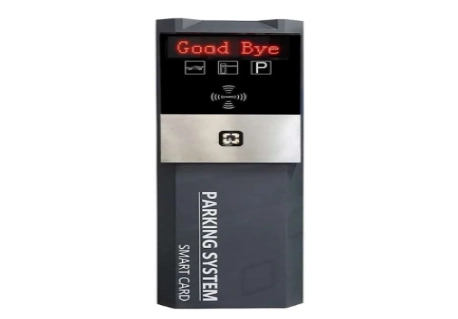
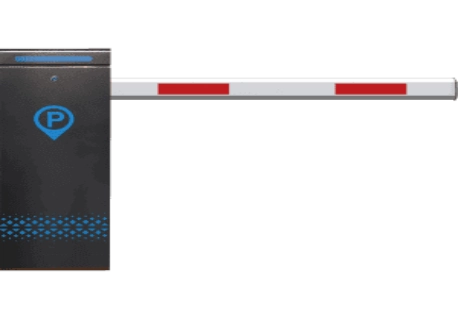
This becomes more important when an organization already operates several access platforms. For example, a site may use a parking ticket system for vehicles and a separate tripod turnstile system for pedestrians. These systems do not need to be merged completely, but their permissions and reporting logic should remain clear.
Confirm event and relay logic
The biometric device should send a clear signal after successful authentication. The turnstile controller then releases the arm for one person and returns to the locked state after passage.
The integration test should include:
- Authorized face or card
- Unregistered user
- Expired credential
- Repeated authentication
- Tailgating attempt
- Power interruption
- Emergency release
- Network failure
- Manual opening
Each test should be recorded. A system that works only under ideal conditions is not ready for daily operation.
Protect privacy and access records
Facial recognition requires a clear policy for enrollment, data storage, user consent, and access permissions. The system should collect only the information necessary for the organization’s security purpose.
For facilities that do not need facial recognition, tripod turnstile systems with RFID card reader integration may offer a simpler deployment path. RFID can provide fast access for employees, residents, and registered users while reducing the amount of biometric data collected.
How Can You Control Retrofit Cost and Downtime?
The main financial advantage of a retrofit is that it may preserve the existing mechanical gate. However, the final cost still depends on the condition of the equipment, wiring distance, reader type, software compatibility, and installation schedule.
A realistic budget should include:
- Biometric or RFID reader
- Controller and communication module
- Mounting brackets
- Power and network cabling
- Configuration and software integration
- Turnstile gate installation
- Testing and staff training
- Future turnstile maintenance
- Replacement parts
A low initial quote may not be the lowest total cost. If the old gate requires frequent service or cannot support the new control logic, the project may need repeated upgrades.
Compare retrofit and replacement options
Retrofit is usually attractive when the existing gate has a stable body, reliable mechanism, suitable interfaces, and acceptable turnstile dimensions. Replacement may be more practical when the gate has severe corrosion, outdated electronics, poor sensor performance, or no reliable way to connect a new reader.
The comparison should include downtime, labor, construction changes, warranty, service access, and future expansion. Ask the turnstile solution provider to explain both options clearly instead of recommending a single configuration without a site review.
Plan maintenance from day one
Biometric integration does not remove the need for mechanical service. The tripod arm, locking mechanism, sensors, fasteners, and cabinet still need regular inspection.
A practical tripod turnstile maintenance plan should include:
- Cleaning readers and sensors
- Checking arm alignment
- Tightening internal fasteners
- Inspecting cables and connectors
- Testing emergency release
- Reviewing access logs
- Checking software and firmware
- Keeping essential spare parts available
How Can KARSUN turnstile Support Biometric Tripod Turnstile Projects?
At KARSUN turnstile, I help project teams evaluate the gate, the access method, and the installation environment before choosing a configuration. My focus is to make the tripod turnstile work smoothly with the customer’s existing control workflow while keeping installation and maintenance practical.
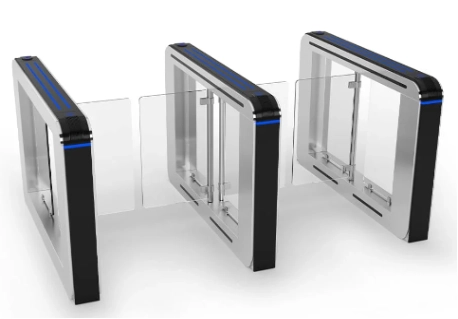
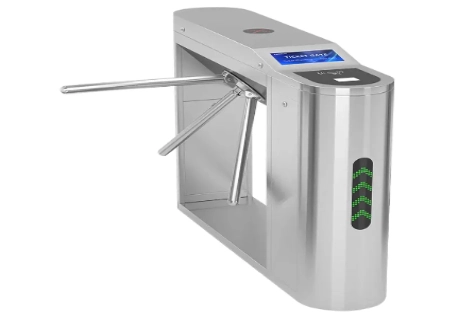
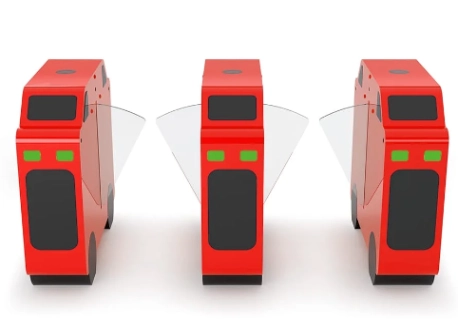
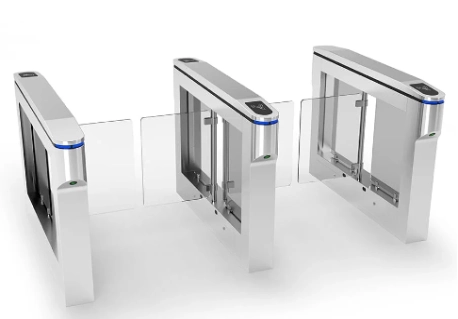
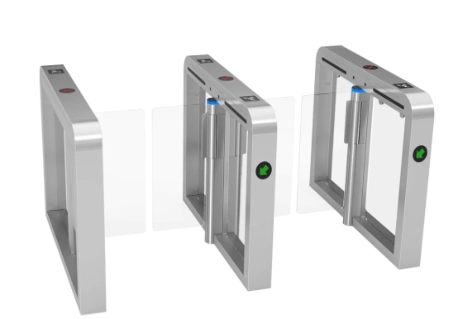
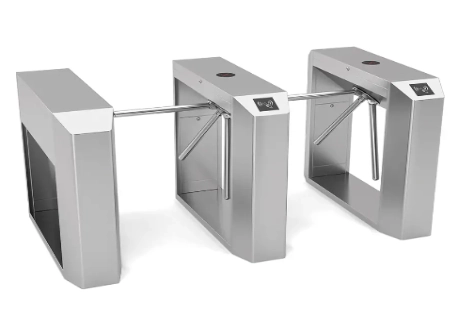
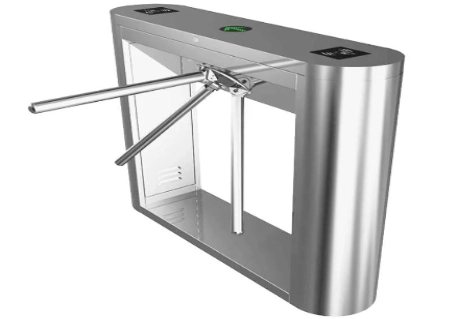
The JS-SGZ001 Bridge Tripod Turnstile Gate is a compact option for controlled pedestrian access and can be considered for RFID, biometric, or other compatible access-control integrations.
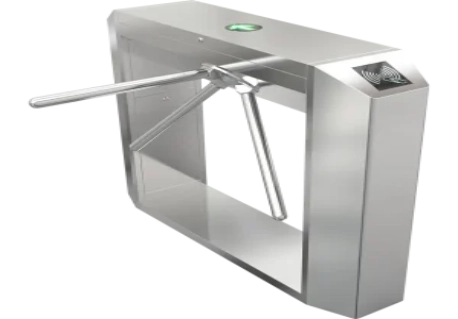
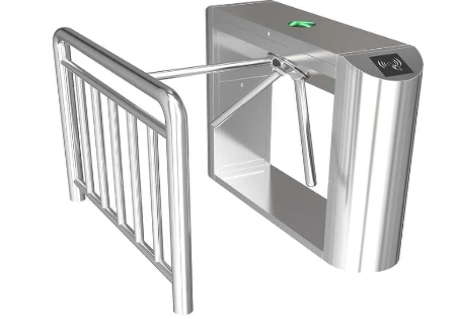
The JS-SGZ002 Semi-Automatic Turnstile Tripod Gate is suitable for projects that need a straightforward mechanical structure with controlled one-person passage and a practical operating cost.
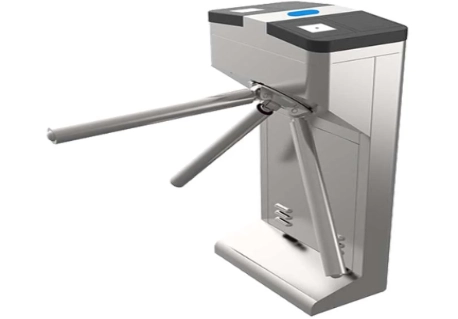
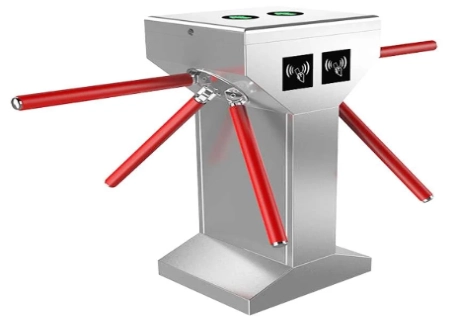
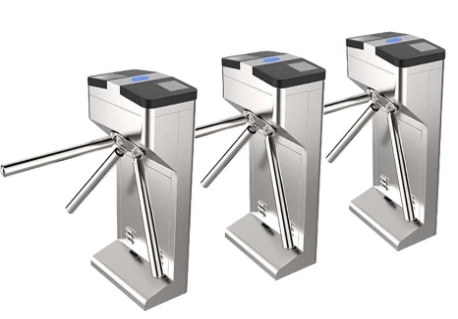
The JS-SGZ003 Karsun Access Vertical Tripod Turnstile Gate can help when the entrance layout requires a vertical tripod structure and careful use of available floor space.
For projects comparing internal mechanism and lane planning options, the JS-SGZ003B Dual Core Tripod Turnstile Gate provides another configuration for project evaluation.
The JS-SGZ005 户外防水型不锈钢 304 三角架旋转门 is designed for outdoor-oriented applications where stainless steel construction and environmental protection are important considerations.
For ticket-based access, the JS-SGZ006 Ticket Tripod Turnstile Gate For Outdoor can be considered for facilities that need ticket authentication and controlled outdoor entry.
Depending on the configuration, KARSUN turnstile supports features such as SUS304 stainless steel, optional SUS316 material, emergency alarm functions, dry contact, RS232, RS485, and different motor or mechanism options. We also provide technical documentation, configuration guidance, customization discussions, and support for turnstile installers during project planning.
When comparing different turnstile solution providers, I recommend checking more than the brochure. Review turnstile dimensions, signal interfaces, emergency behavior, spare parts, warranty terms, installation support, and turnstile maintenance requirements. A successful retrofit is not simply about adding a facial recognition software device. It is about building a stable access process that remains dependable after installation.
常见问题s
Q: Can biometric access control be added to an existing tripod turnstile?
A: In many cases, biometric access control can be added when the existing gate has a stable mechanism, suitable power supply, available mounting space, and compatible signal interfaces. A site inspection is necessary before confirming the retrofit plan.
Q: What should I check before tripod turnstile gate installation?
A: Check the gate condition, power supply, communication protocol, reader position, turnstile dimensions, emergency release, wiring routes, and software compatibility. The installation team should also test authorized, denied, emergency, and manual access conditions.
Q: Can a facial recognition software device work with an RFID tripod turnstile?
A: Yes, a facial recognition software device and an RFID reader can often work with the same tripod turnstile when the controller supports the required input signals. The final configuration should define credential priority, access rules, and event recording.
Q: How much does tripod turnstile maintenance cost after a biometric upgrade?
A: Maintenance cost depends on traffic volume, outdoor exposure, mechanism condition, reader type, software support, and replacement parts. A planned inspection schedule usually helps reduce emergency repair expenses and unexpected downtime.
Q: How do I choose a turnstile solution provider for a retrofit project?
A: Compare the provider’s technical consultation, product compatibility, turnstile installers, wiring guidance, documentation, warranty, spare parts support, and after-sales service. The provider should explain whether retrofit or full replacement offers better long-term value.