






Why Do Tripod Turnstiles Jam During Peak Hours and How Can You Fix Them in 2026
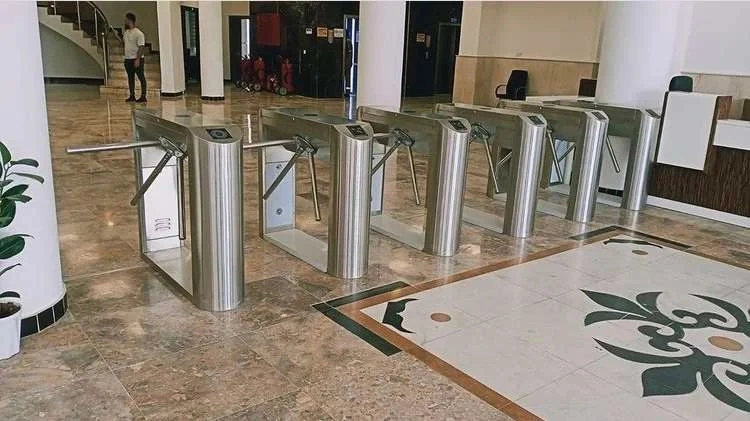
A tripod turnstile is perfectly suited for low volume of people passing through a single entrance in gyms, factories, universities, offices and public buildings etc. However, as the volume of people increases, through hundreds of people per hour, a tripod turnstile will start to slow down to a stop and could even start to produce strange sounds. A turnstile that has jammed can give the false impression that there is a problem with the motor. There are many factors that can cause a turnstile to jam, including mechanical stress, worn parts within the turnstile, incorrectly placed sensors and variable signal strength. Many jams are caused by incorrect installation or lack of proper maintenance over time. This guide outlines the typical reasons for a turnstile failure and describes how to best prevent holdups at access points in 2026. What Causes Turnstile Failures During Peak Hours? Most turnstile gate failures seem to
How Should a Turnstile Gate Respond During a Fire Alarm in 2026
The purpose of a pedestrian turnstile is to control the flow of pedestrians during normal building operations. However, in a fire emergency, the turnstile must be operated to allow people to exit the building as quickly as possible and be provided with safe means of egress. A modern fire safety turnstile connects with a building’s fire alarm system. It releases the barrier when required, can be used manually as well and enables staff to check whether all lanes have been released correctly. Find out about emergency gates through this guide and learn how to choose the best type of turnstile as well as discover the right model from KARSUN’s turnstile range to manage access of people safely and securely. Why Fire Safety Matters in Turnstile Design Most turnstiles verify a creditcard, QR-code, bio credential or ticket before they open up. The sensors inside the barrier check if one person has
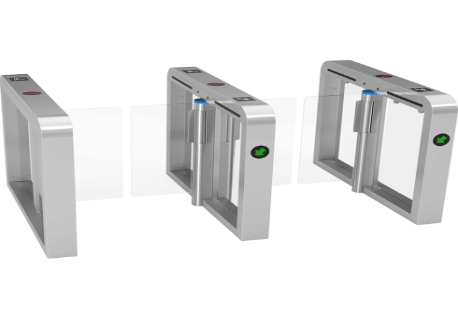
What Are the Core Functions of a Modern Pedestrian Turnstile Gate System in 2026
A pedestrian turnstile gate does more than open and close a lane. It creates a controlled moment between the public area and the space behind it. In a modern office, that moment may confirm an employee card. In a gym, it may validate a membership. In a data center, it may be one step in a much stricter chain of checks. In 2026, buyers are looking beyond a metal barrier and a reader. They want a turnstile gate system that handles real traffic, discourages tailgating, connects with access software, and remains practical for staff to operate. They also want a clear answer about cost, maintenance, installation, and the difference between the many turnstile designs on the market. This guide explains the core functions of a modern pedestrian turnstile gate system and shows how we at KARSUN turnstile approach model selection. The goal is simple: help a project choose a lane
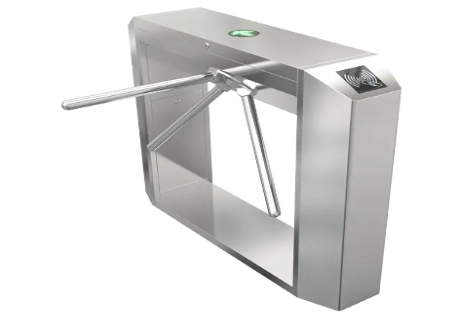
What Should You Check Before Choosing a Tripod Turnstile Gate in 2026
A tripod turnstile gate looks simple at first. Three arms rotate, one person walks through, and the arms return to their locked position. But anyone planning a real entrance knows the choice is not quite that simple. The gate has to fit the available floor space, handle the daily crowd, connect with the access system, release safely in an emergency, and remain easy to service after the first few months of use. That is why buyers in 2026 are asking better questions. Is the compact footprint really enough for the entrance? Can the system stop tailgating without making every visitor feel slowed down? What is the difference between a semi-automatic and a fully automatic operating mode? Does a lower purchase cost still look good after years of maintenance? And can the same lane work with cards, QR codes, a facial recognition software device, or a ticketing platform? This guide answers
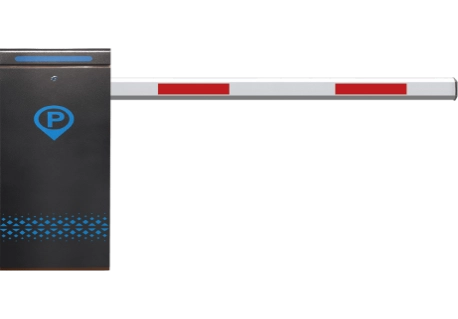
What Should You Check Before Buying an Automatic Barrier Gate for a Busy Lot
A busy parking entrance rarely fails because the boom arm is not long enough. It usually fails because the whole entrance was planned around the wrong questions. The lane may open too slowly during the morning rush. The loop detector may be missing. The cabinet may not be ready for a parking ticket system. The motor may work well in mild weather but struggle when the temperature drops. Or the barrier may be installed without a clear plan for emergency release and routine service. In 2026, buyers want more than a gate that lifts. They want an automatic barrier gate that can control vehicle flow, connect to access software, protect cars and people, and keep working after thousands of daily cycles. They also want a realistic answer about cost, maintenance and what happens when the site expands. This guide explains the difference between the main barrier gate choices, the specifications
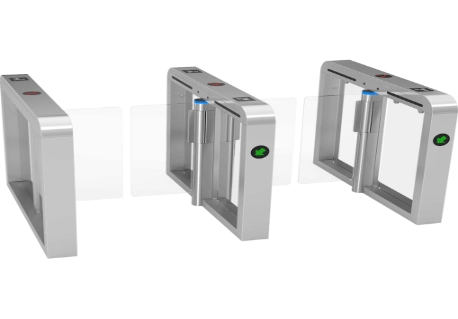
How Do Smarter Security Turnstiles Support Access Control Projects in 2026
A turnstile gate used to be a simple checkpoint. People tapped a card, pushed through, and moved on. In 2026, that is no longer enough for many buildings. Offices want cleaner visitor records. Gyms want fewer shared cards. Factories want shift traffic to move without a crowd at the gate. Data centers want every entry to feel boring, traceable, and hard to trick. That is why buyers are searching for smarter security turnstiles, not just a stainless steel lane with a reader on top. The real question is practical: which turnstile type fits the site, what access method should be connected, how much will the project cost, and what should be planned before turnstile installers arrive? This guide walks through those decisions in plain English. It compares common turnstile options, explains the difference between entry control methods, and shows how KARSUN turnstile products can support scalable access control without making
How Can You Integrate Biometric Access Control with Existing Tripod Turnstiles in 2026
Many companies want stronger access control, but replacing every existing gate is not always practical. A complete replacement can increase project cost, extend downtime, and create unnecessary construction work. In many cases, an existing tripod turnstile can be upgraded with biometric access control through careful planning and limited wiring changes. In 2026, facility managers are looking for flexible systems that support RFID cards, facial recognition, remote management, and reliable entry records. The challenge is making new identification technology work with existing mechanical equipment. This guide explains how to assess compatibility, reduce installation risks, and choose a qualified turnstile solution provider. What Should You Check Before Integrating Biometric Access Control? The first step is to inspect the existing tripod turnstile and its control environment. Not every gate has the same controller, signal input, power supply, or internal space. A short site survey can prevent major problems during installation. Before ordering new
How Can ADA Accessible Entrance Gates Work in Tight Spaces in 2026
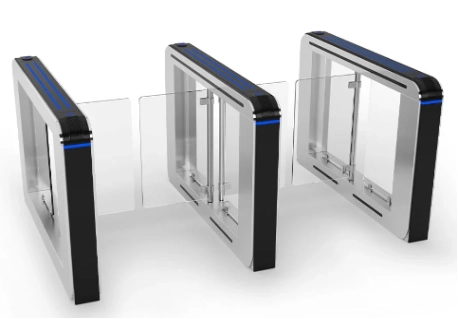
A small lobby should not force a building to choose between access control and accessibility. Yet that is exactly where many projects get stuck. The entrance needs to handle employees, visitors, credentials, and security rules, while still leaving enough clear space for wheelchair users and other people who need an accessible route. The answer is not to squeeze a standard tripod lane wider and hope for the best. In the United States, turnstiles cannot form part of an accessible route. A practical design therefore pairs controlled lanes with a separate accessible gate or clear alternative route. In 2026, the strongest layouts combine compact cabinets, thoughtful turnstile dimensions, and sensible access-control integration. Why Tight Entrances Create an Accessibility Problem Small entrances make every millimeter count. A reception desk, waiting zone, elevator lobby, fire route, security desk, and turnstile lane can all compete for the same floor area. The issue is not
How Can You Extend the Life of a Tripod Turnstile in 2026
A tripod turnstile is expected to do much more than stop unauthorized entry. In 2026, facility managers need reliable pedestrian access, accurate credential verification, simple maintenance, and predictable lifecycle cost. The maintenance keeps every passage smooth, safe, and dependable. A visitor should not have to stop and ask, “what’s the password?” A well-maintained tripod turnstile should make the answer clear through its reader, indicator, and operating logic. What Should You Check Before Maintaining a Tripod Turnstile Gate? Maintenance starts with understanding the installation environment. A gate used inside an office lobby does not face the same conditions as one installed at a stadium, university entrance, or outdoor facility. Before creating a service schedule, record the daily traffic level, operating hours, access method, and environmental conditions. This baseline helps you identify abnormal wear before it becomes a serious interruption. Pay attention to these factors: Documented KARSUN turnstile configurations commonly include SUS304 stainless steel,
How Can Outdoor Tripod Turnstiles Stay Reliable in Extreme Environments in 2026
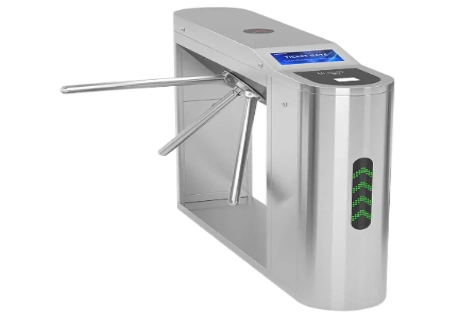
Outdoor access control has to deal with more than unauthorized entry. Rain, humidity, dust, temperature changes, frequent cleaning, and constant pedestrian traffic can all affect a tripod turnstile over time. That is why choosing an outdoor tripod turnstile in 2026 requires more than checking a brochure. Buyers need to look at stainless steel quality, waterproof protection, mechanical structure, access control compatibility, maintenance requirements, and the total cost of ownership. For locations such as campuses, stadiums, transport facilities, public entrances, industrial sites, and data centers, a weatherproof tripod turnstile can provide controlled one-person passage without taking up too much space. What Are the Main Outdoor Challenges for Tripod Turnstiles? An outdoor tripod turnstile works in a much less predictable environment than an indoor unit. Even when the gate is installed under a roof, wind-driven rain, airborne dust, condensation, and temperature changes can reach the cabinet and internal components. The first step