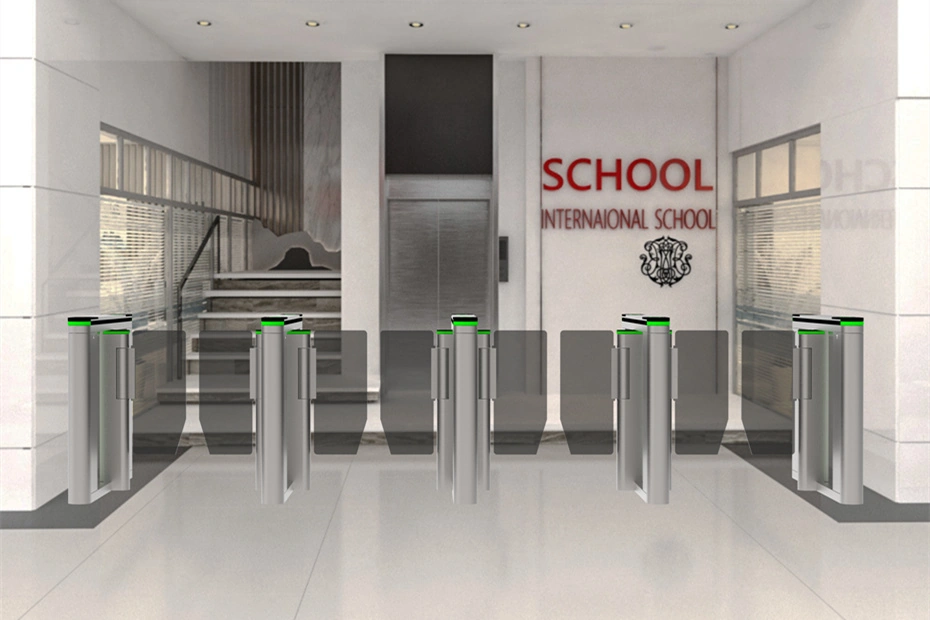
Types of turnstile installation:
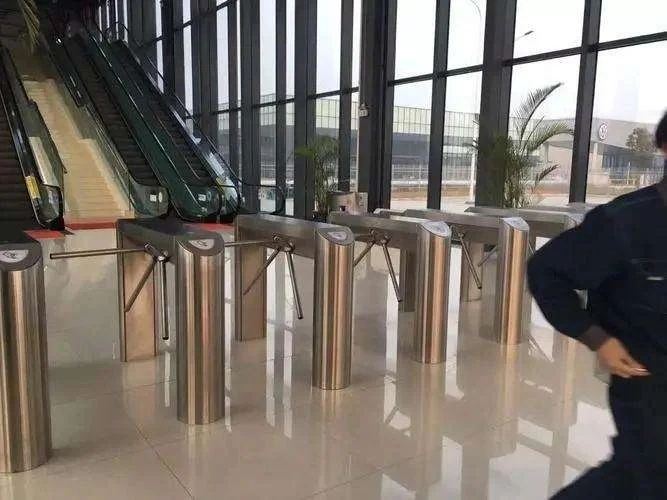
Tripod turnstile installation type
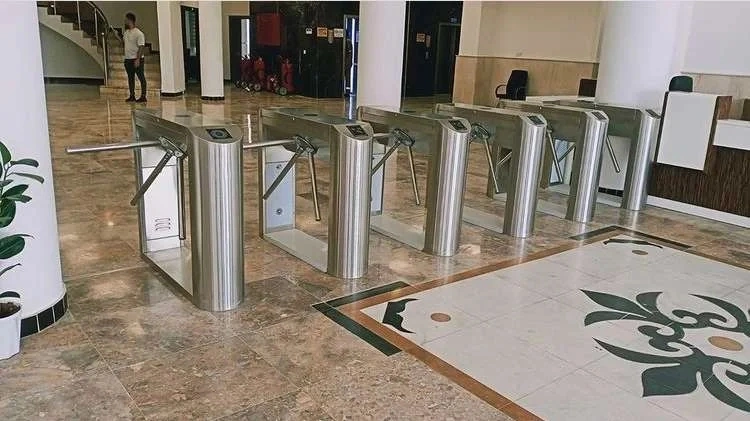
The tripod turnstile installation type is widely adopted because tripod structures offer stability and efficient crowd control. The foundation must be level so the rotating arms run smoothly. This is especially important for models such as the JSTD3263-22 – Efficient Entry Management Tripod Turnstile, whose electromagnetic mechanism performs best with firm anchoring. Tripod turnstiles are common in stadiums, parks, and subways due to their durability and simple wiring.
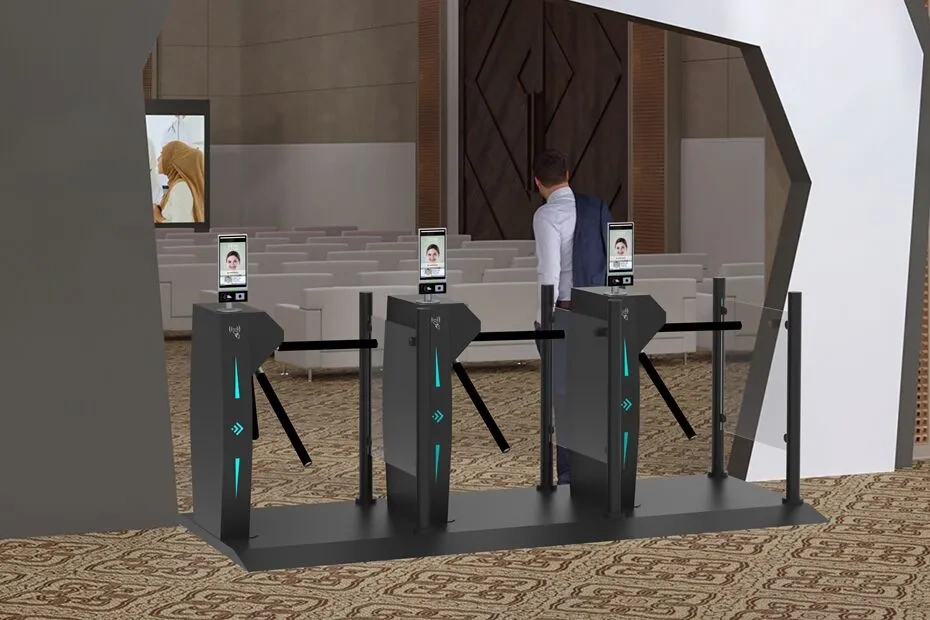
Swing turnstile installation type
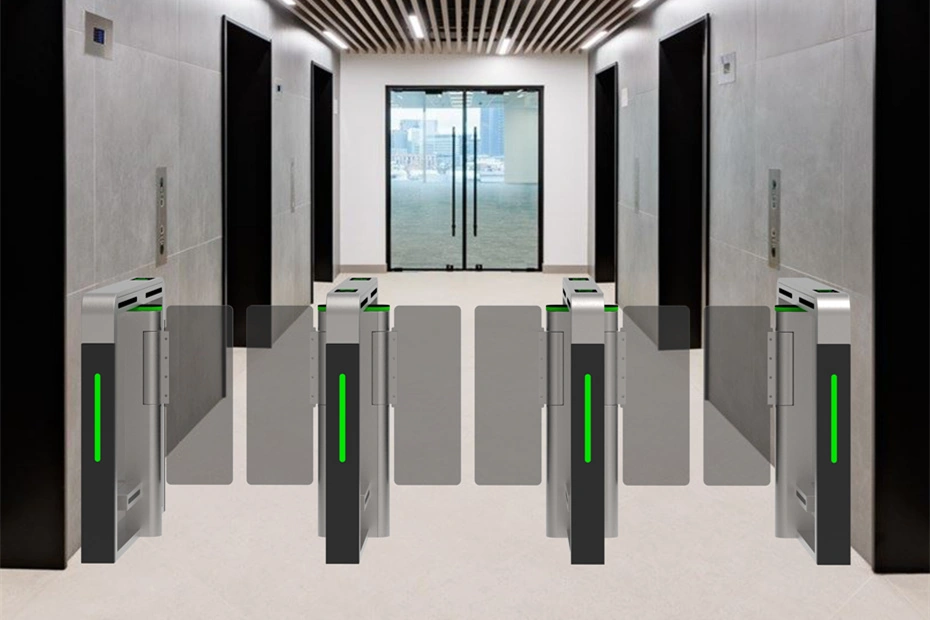
The swing turnstile installation type requires precise alignment between the swing arms and the motor to maintain smooth and safe movement. Because swing barriers need wider passages, installers must pre-measure both sides of the lane. Swing systems are popular in offices and commercial centers for their quiet operation.
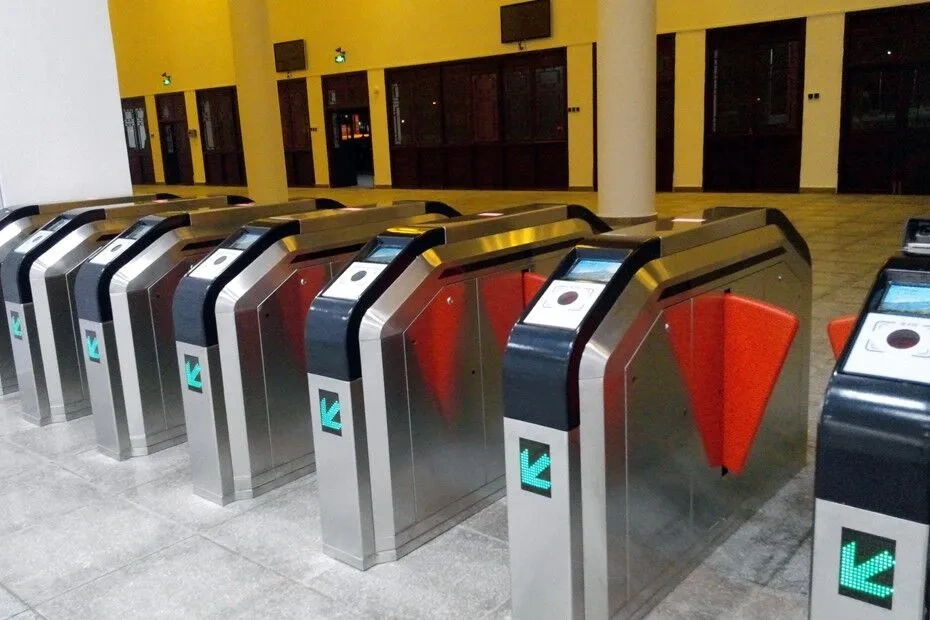
Flap barrier installation type
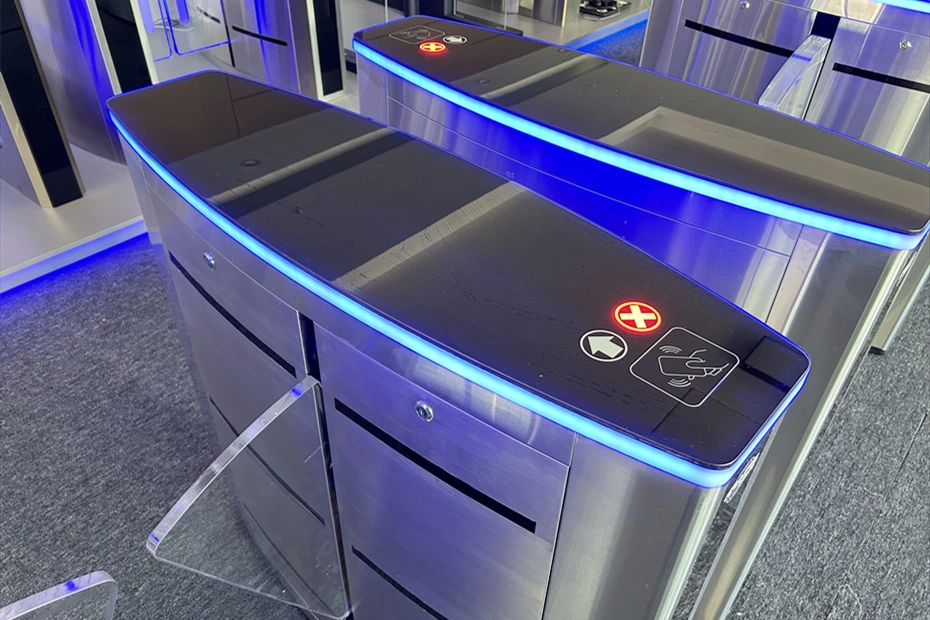
Flap barrier installation type delivers fast throughput for lobbies and transit stations. Accurate alignment prevents rubbing and ensures smooth retraction. Models like the Flap Barrier Turnstile Gate JS-Y003 need precise positioning and clean cable routing because flap gates use more sensors than tripod gates.
Full-height turnstile installation type
Full-height turnstile installation type fits high-security environments such as factories and restricted areas. These tall structures require a solid concrete base. A model such as the JS-QGZ006S – Single Lane 90° Rotating Full Height Turnstile Gate works best when perfectly centered to reduce rotation friction.
Speed gate installation type
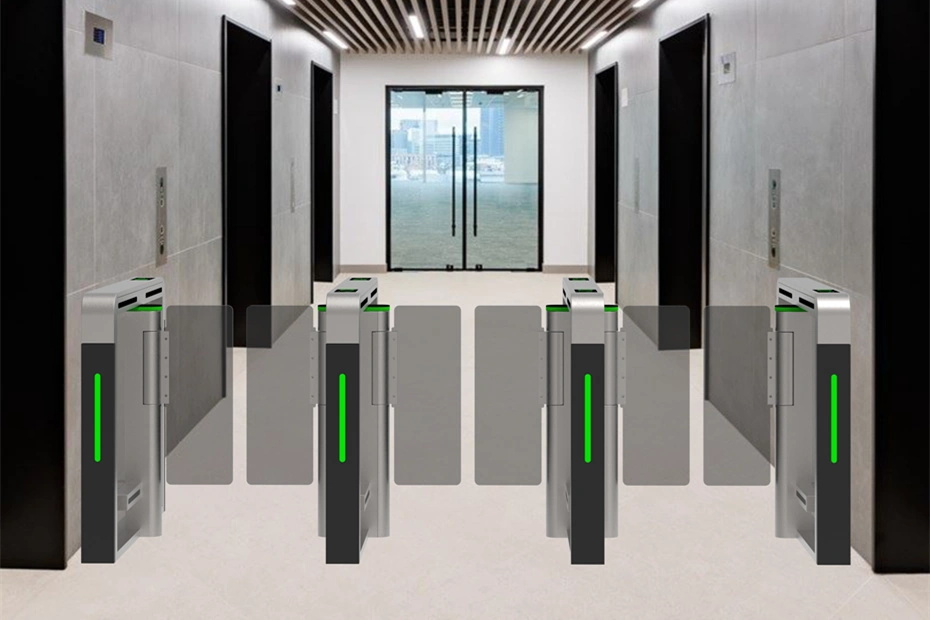
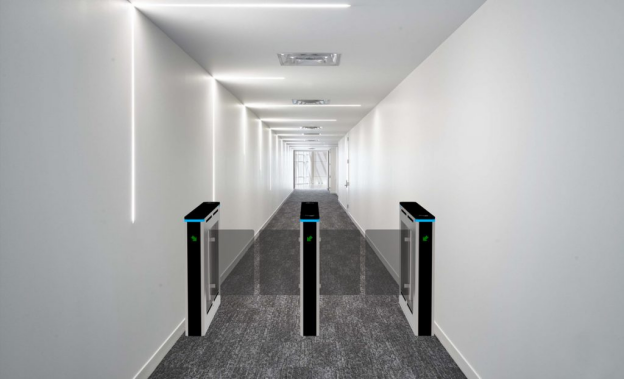
Speed gate installation type emphasizes fast motion and anti-tailgating detection. These gates require accurate infrared calibration. The KARSUN turnstile Elegent High Speed gate JSTD8141-21 needs careful wiring and tuning so the servo-driven wings respond correctly.
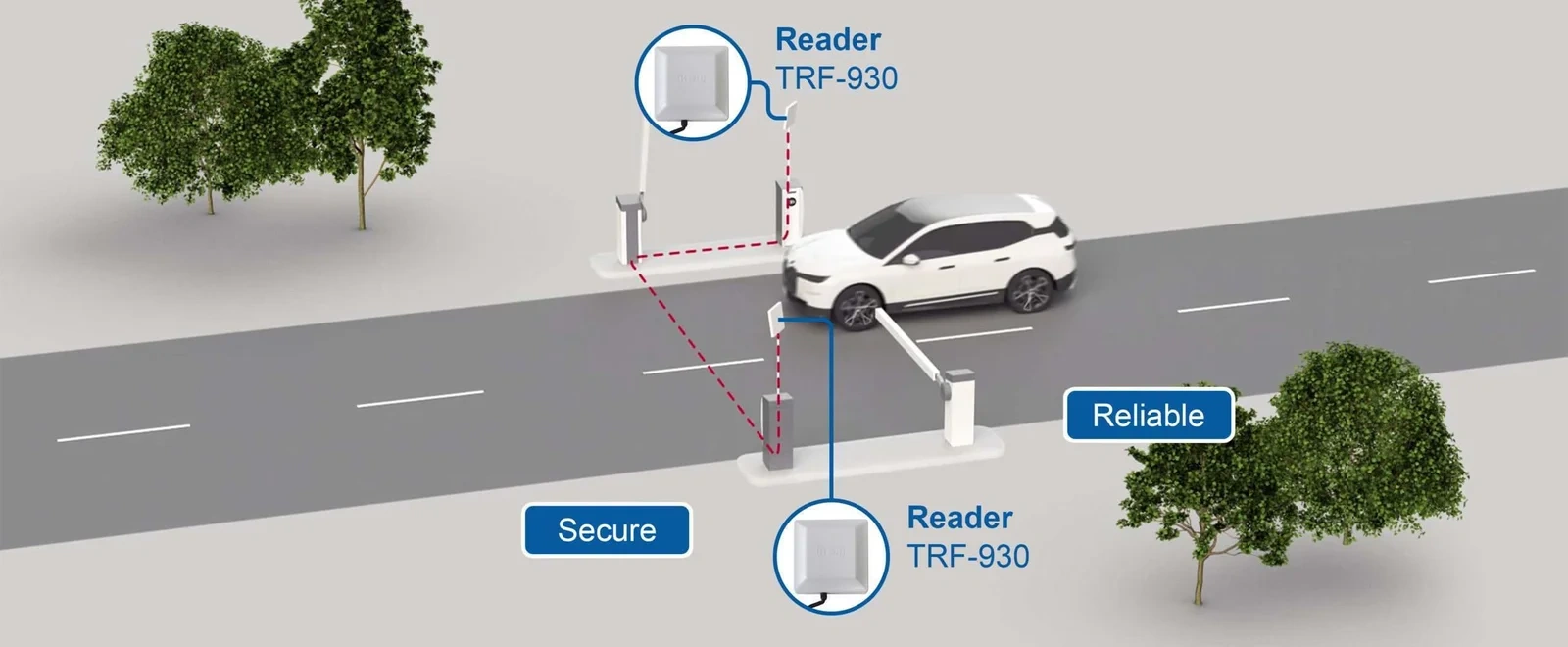
Optical/barrier-free turnstile installation type
Optical/barrier-free turnstile installation type relies on sensors instead of physical arms. Correct alignment of transmitters and receivers minimizes false alarms and keeps the flow smooth.
Turnstile gate installation steps:

Step 1: Determine installation location
Determine installation location based on natural foot traffic and available wiring paths to ensure long-term system stability.
Step 2: Preparation work
Preparation work involves gathering installation materials such as drills, bolts, markers, and cleaning supplies. If using a sliding model like the JS-PYZ002 Inclined Surface Sliding Turnstile, confirm adequate space for wing retraction.
Step 3: Fix the turnstile gate
Fixing the turnstile gate requires accurate marking and drilling. M12 anchor bolts ensure stable mounting and reduce vibration-related wear.
Step 4: Connect the power supply and access controller
Connect the mainboard, SYNC cables, access readers, and sensors following polarity requirements. Sliding and flap gates require clean routing to prevent interference.
Step 5: Debugging and testing
Debugging verifies correct opening direction, timing, sensor detection, and emergency modes. Full testing confirms safe operation.
Step 6: Adjusting parameters
Adjusting parameters—speed, delay time, alarm sensitivity—helps optimize real-world usage.
Step 7: Install protective railings (optional)
Protective railings help guide pedestrians and reduce collisions where traffic is heavy.
Step 8: Final inspection
Final inspection ensures bolts, wiring, and functions are secure before handover.
Turnstile gate installation precautions:
Ground flatness and stability
Ground flatness prevents shaking or misalignment. A flap model like the Flap Turnstile Gate JS-Y004 must be level to avoid wing interference.
Accurate positioning, marking, and fixing
Accurate marking maintains uniformity across multi-lane setups and speeds installation.
Wiring standards and conduit selection
Galvanized conduit and national-standard cables protect wiring long-term, especially underground.
Check construction drawings to avoid conflicts.
Drawings help avoid conflicts with pipelines and ensure turnstile placement fits the environment.
Anti-slip, moisture-proof, and waterproof treatment
Anti-slip and waterproof treatment protects users and internal circuitry, especially outdoors.
Correct drilling depth and fixing bolts
Drill 10–13 cm deep and use appropriate bolts for structural stability.
Careful debugging after installation
Multiple tests ensure sensors and drive mechanisms behave consistently.
Importance of early-stage buried wiring
Correct early wiring prevents rework and ensures smooth multi-lane integration.
Turnstile gate installation conditions:
Whether site reconstruction is needed
Reconstruction may be required if the ground is uneven or cannot support the turnstile’s weight.
Confirm passage distance and reserved slotting space.
Measurements must match design drawings to maintain smooth pedestrian flow.
Handling buried conduits before installation
Prepare buried conduits early for power and communication cables.
Ground outlet hole size and center alignment
Proper alignment ensures cables exit beneath the turnstile’s center point.
Ground finishing and safety requirements
All finishing work should be completed to prevent dust from entering the mechanism.
Fiber optic and network cable laying requirements
Label fiber lines, keep reserve length, and route them according to design.
Cable testing and labeling
Testing ensures stable communication before system activation.
Strong current cable requirements
Reserve cable length above ground for safe connection.
Providing the IP address table
IP address tables streamline commissioning.
Temporary construction power supply
Temporary power supports early wiring tests.
On-site mobilization procedures
Mobilization ensures coordination between different site teams.
Final site construction plan requirements
Final plans offer precise installation coordinates.
Reserved trunking and equipment outlet positions
Reserved trunking prevents obstacles during wiring.
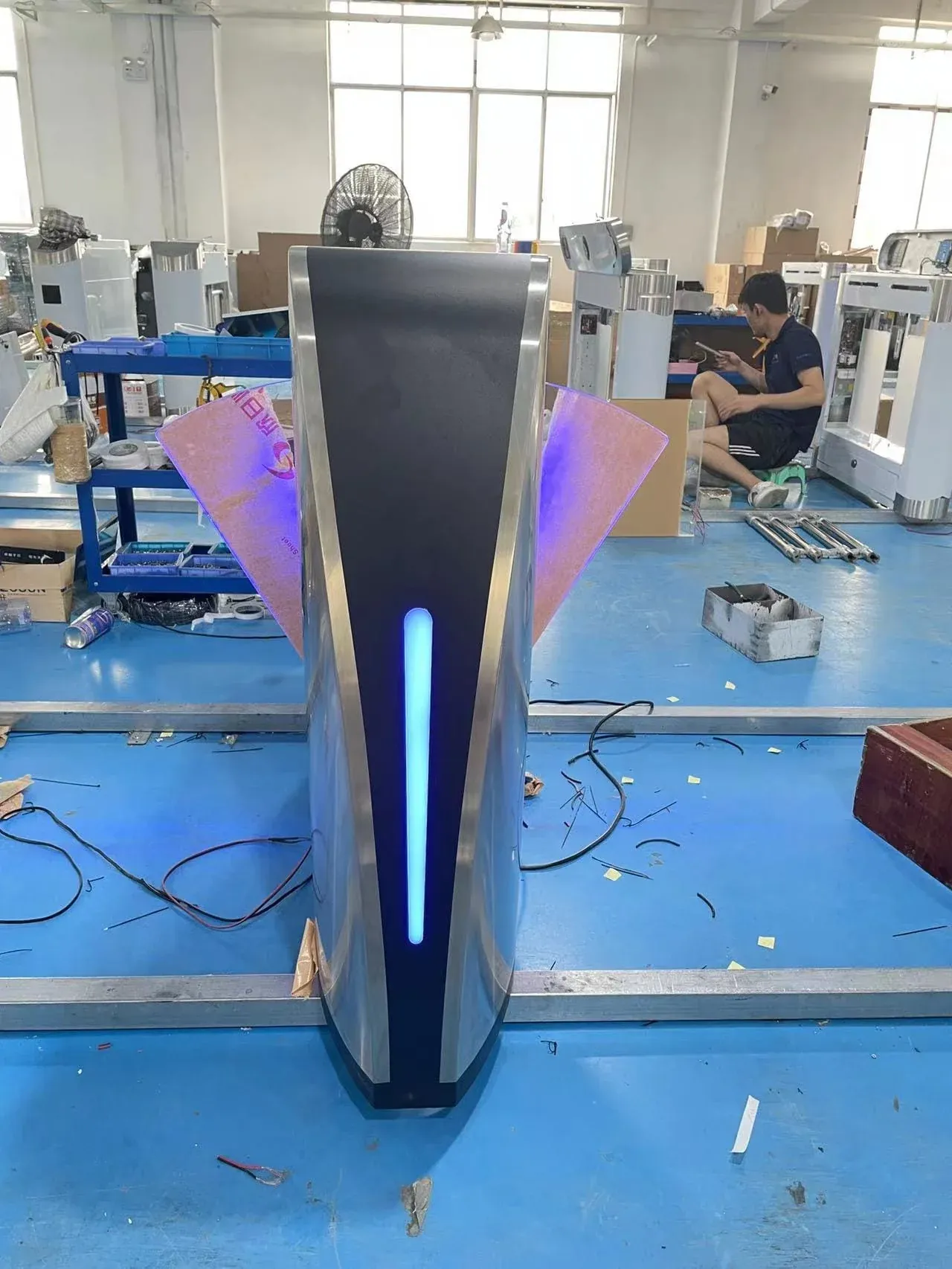
The storage location:
Proximity to the installation site
Closed storage reduces handling time and protects equipment.
Rainproof, dry ground environment
Dry, rainproof storage protects electronics before installation.
No risk of falling objects
Avoid overhead hazards to prevent damage.
Easy handling during installation
Turnstiles should be positioned where handling tools and staff can access them easily.
Within the monitored security area
Monitored areas reduce risks of loss or unauthorized access.
Why Choose KARSUN Turnstile as Your Supplier?
KARSUN Turnstile manufacturing strengths
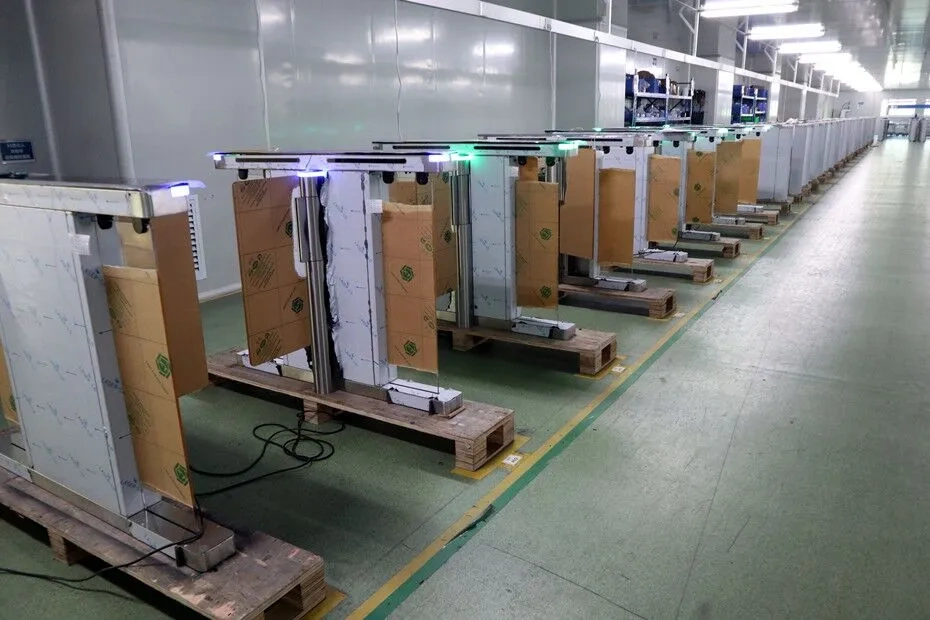
At the KARSUN turnstile, we focus on durable construction and precision engineering. Our stainless-steel fabrication lines and motor testing systems ensure stable performance over millions of cycles.
Our advanced turnstile technologies
We use servo motors, brushless drives, and intelligent controllers that deliver fast, quiet, and reliable operation across our product lines.
Turnstile products we offer for global projects
Our portfolio includes the KARSUN turnstile Tripod Turnstile Gate with Servo Control, KARSUN turnstile Swing Barrier Gate with Brushless Motor, KARSUN turnstile Flap Barrier Turnstile Gate with Acrylic Wings, KARSUN turnstile Full Height Turnstile Gate for Secure Access, and KARSUN turnstile Speed Gate with Servo Motor Technology, covering both high-security and high-traffic applications.
How we support installation and technical service
We provide installation manuals, wiring diagrams, remote guidance, and debugging support to help integrators complete projects efficiently.
よくあるご質問
Q: Which turnstile type is best for simple turnstile gate installation?
A: Tripod gates are easiest because they require less wiring. The JSTD3263-22 – Efficient Entry Management Tripod Turnstile is a popular choice for simple installation.
Q: How to choose a turnstile for turnstile gate installation in high-traffic areas?
A: High-traffic areas benefit from flap or speed gates such as the JS-Y003 – Flap Barrier Turnstile Gate or JSTD8141-21 – Elegant High Speed Gate.
Q: What affects the time needed for turnstile gate installation?
A: Site preparation, wiring complexity, and debugging time all influence installation duration.
Q: Are sliding gates suitable for complex turnstile gate installation environments?
A: Yes, sliding gates like the JS-PYZ002 – Deluxe Oval Shape Sliding Speed Gate work well if wiring and space are correctly prepared.
Q: What is the best option for secure turnstile gate installation outdoors?
A: Outdoor projects often choose full-height gates such as the JS-QGZ006S – Single Lane 90° Rotating Full Height Turnstile Gate, which provides strong durability and anti-tailgating control.