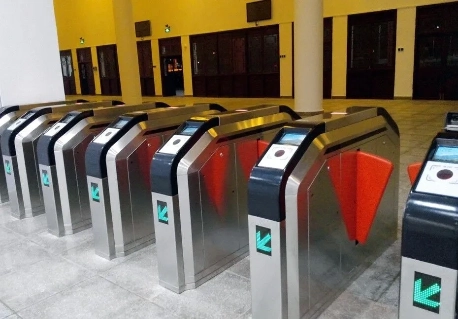
Parking has grown way past just lifting a gate and taking cash. By 2026, motorists want speedy access. They want touch-free payment choices. They also want clear directions to a free spot. On the flip side, facility managers need exact car logs. They want lower staff costs. They also demand better control over every single entry and exit point.
This target seems pretty simple. Yet a lot of sites still rely on standalone cameras, ticket units, barrier gates, and payment kiosks. When these parts do not share data, queues get longer. Errors increase. Drivers become extremely unhappy.
At KARSUN turnstile, we have noticed how these hurdles affect the whole parking routine. The journey starts when a car pulls up. It ends when the car leaves. A well-designed smart parking system should connect vehicle identification, access control, payment processing, and space direction. It must put them all into one single platform.
So, what are the biggest smart parking system challenges in 2026, and how can parking operators solve them?
What Are the Biggest Smart Parking System Challenges?
A current parking management system needs to guide cars from start to finish. Problems can pop up at almost any point.
Long Queues at Entrances and Exits
Hand-processing tickets, sluggish card scans, and paying at the gate often build up massive lines during rush hours. This headache happens all the time at malls, clinics, airports, housing estates, and business parks.
Even a tiny hold-up of a few seconds per car can quickly turn into a huge traffic jam.
Inaccurate Vehicle Identification
A license plate recognition system might struggle with poor lighting or muddy plates. Bad camera angles or speeding cars also cause trouble. When the setup fails to read a car correctly, workers usually have to jump in and fix it.
This manual help delays entry. It also hurts faith in the whole setup.
Unauthorized Vehicle Access
Passed-around access cards, unknown cars, and closely following another car pose serious safety threats. Without solid vehicle identification and a tough parking barrier gate, managers might struggle to control who gets into secure areas.
Disconnected Parking Equipment
A camera might catch a plate just fine. However, the gate might not get the signal to open. A payment kiosk might log a charge, but the exit gate might never get that payment info.
These glitches usually happen when parking devices are purchased one by one. Buyers frequently ignore software links, tech rules, or ideas for later upgrades.
Difficulty Finding Available Spaces
Once drivers pull into a massive lot, they might waste minutes hunting for an empty bay. This hunting boosts traffic inside the lot. It wastes gas. It also makes drivers angry.
Without a parking guidance system, managers also have very little clue about live usage rates and space layout.
How Does a License Plate Recognition System Improve Parking Entry?
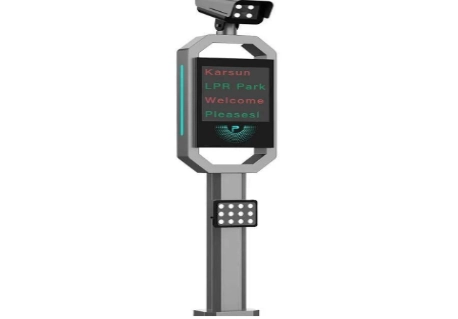
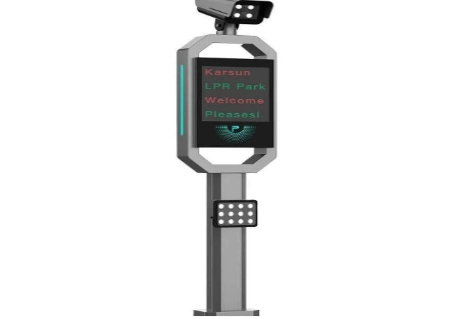
An LPR or ANPR system automatically scans a car’s tag. It then sends that info to the parking management software. After verifying access rules or entry logs, the setup tells the barrier gate to lift.
This setup cuts down the need for paper slips or manual card checks. It can handle approved car access and guest logs. It manages approved and blocked lists. It tracks ins and outs, figures out fees, and links up with gates and payment kiosks.
Steady results rely on proper camera spots, reading range, and car pace. Lane size, lighting, and regional tag styles also matter. LPR works great for public parking setups with tons of short-term guests.
License Plate Recognition vs. RFID Parking Systems
LPR spots cars by their tags without needing extra gadgets. It fits perfectly for hotels, clinics, retail centers, and other spots with mixed or quick-visit drivers.
RFID spots a sticker placed on the car. It offers quick, touch-free entry for locals, staff, monthly renters, and other approved cars. But it does need sticker setup and upkeep.
Many sites blend both tools. RFID handles daily drivers. Meanwhile, LPR deals with guests or acts as a backup check.
The top pick hinges on driver type, reading range, and car pace. Safety needs, software links, funds, and future growth also play a part.
How Do Parking Barrier Gates Improve Traffic and Security?
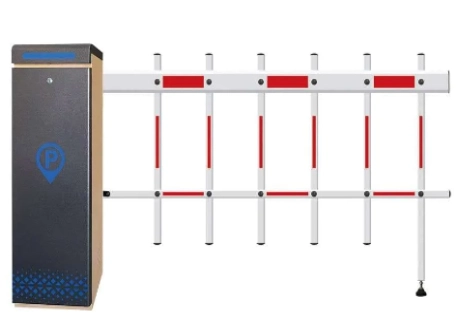
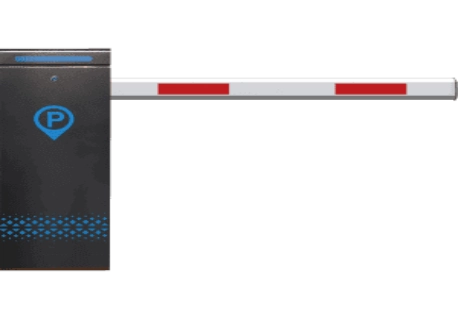
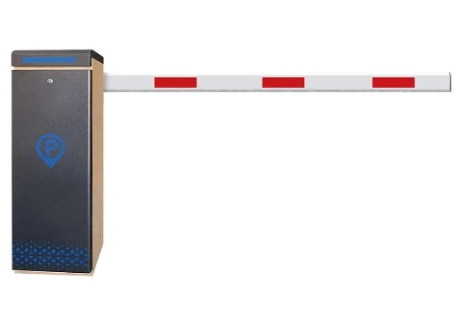
A parking barrier gate delivers physical entry control. It stops unapproved cars from getting in. It must link up with LPR cameras, RFID scanners, ticket units, payment systems, or a main parking hub.
Quick lifting boosts traffic pace. At the same time, arm length must fit the lane size and car type. For protection, the gate must back loop detectors and light sensors. It should reverse if it hits something. It needs delayed shutting, wireless controls, and a manual lift option during blackouts.
The ideal gate must be picked based on traffic flow, lane width, and weather patterns. Setup links and toughness matter too—not just the cost.
How Can Parking Guidance and Automated Payment Improve Operations?
A smart parking system must also assist drivers in finding spots. It should help them pay fast.
Ultrasonic sensors check if a spot is full. Meanwhile, bright lights and pointing signs steer drivers to open zones. This cuts down on pointless driving around. It boosts space usage. It also gives managers details on busy hours, stay lengths, booked spots, and space limits.
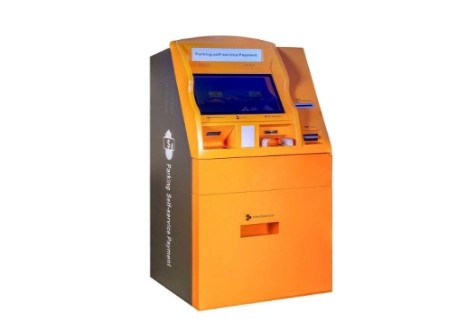
Automated payment machines let drivers settle up before they hit the exit. Based on the site, they can take cash, cards, QR codes, and regional phone payments. After the fee is paid, the setup refines the car log. It then lets the exit gate lift on its own.
For sites that still stick to paper slips or plastic cards, a ticket/card dispenser can handle ticket-based or mixed parking setups.
How Do You Choose the Right Parking Management System?
Before picking gear, managers must map out the whole car trip.
Start by counting the doors, exits, and parking bays. Next, guess the normal and rush-hour traffic flows.
It is vital to sort daily drivers from quick guests. A housing block might benefit from RFID. A retail parking lot might require LPR, tickets, and automated payment.
The site check must also look at these details:
- Lane width and barrier arm length
- Camera recognition distance and angle
- Daytime and nighttime lighting
- Internet and power availability
- Required payment methods
- Local license plate formats
- Software APIs and communication protocols
- Emergency and manual access procedures
A flexible setup lets managers add more lanes, cameras, payment machines, or parking bays later on. Planning for expansion right from the start is usually easier. It is also cheaper than fixing a rigid setup down the road.
How KARSUN turnstile Solves Smart Parking Challenges?
At KARSUN turnstile, we blend vehicle recognition, access control, payment, and parking guidance into one linked setup.
Our core items feature:
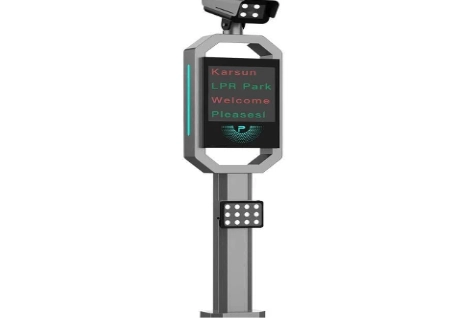
JS-LPR01 License Plate Recognition Camera for quick car spotting. It handles plate data sending, approved and blocked lists, and hands-free gate control.
KS-DZ0024 DC Brushless Boom Barrier Gate with shifting speeds. It backs loop detectors and light sensors. It reverses on impact and works manually during power drops.
TRF-930 RFID Parking System for touch-free, far-reaching spotting of approved cars.
KS-APS02 Auto Payment Machine handling varied money types, languages, and payment styles. This covers cash, bank cards, QR codes, and regional phone payments.
KS-CTD02 Ticket/Card Dispenser for barcode or QR-code slips. It comes with extra RFID traits.
Ultrasonic Parking Guidance System for live spot checking. It includes usage lights, pointing signs, and parking data handling.
We can mix these items into LPR-based, RFID-based, ticket-based, or blended parking setups. OEM and ODM tweaks, software links, regional payment help, and site-specific access rules are also on hand.
Our aim is not just to provide parking gear. We want to craft a smooth, linked parking management system. This system cuts entry waits and blocks unknown cars. It shrinks payment lines and boosts space usage.
결론
A successful smart parking system in 2026 should do more than automate one entrance or replace a manual payment desk. It should connect every stage of the parking journey, from vehicle identification and barrier control to payment and space guidance. By bringing these functions together, KARSUN turnstile helps parking operators create a safer, faster and more convenient parking experience while preparing their facilities for future expansion.
자주 묻는 질문
Q: How does a smart parking system work?
A: A smart parking system links vehicle identification, parking barrier gates, payment equipment, parking guidance devices, and management software. It logs car entry and handles access. It figures out parking fees, handles payment, and lets approved cars leave.
Q: What is the difference between a license plate recognition system and an RFID parking system?
A: A license plate recognition system spots cars by scanning their tags. This makes it great for guests and mixed traffic. An RFID parking system scans approved car stickers. This makes it better for locals, staff, and daily parking drivers.
Q: How much does a parking management system cost?
A: Parking management system costs rely on the count of lanes and parking bays. Spotting methods, payment choices, and needed links also change the price. A simple setup might just have an LPR camera, barrier gate, and software. A bigger site might also need RFID, payment machines, ticket dispensers, and parking guidance equipment.
Q: Can a parking barrier gate work with a license plate recognition system?
A: Yes. After the license plate recognition system checks a car, it can fire an open signal to the parking barrier gate. The JS-LPR01 Karsun Access License Plate Recognition Camera can link up with the KS-DZ0024 Karsun Access DC Brush-less Boom Barrier Gate for hands-free car access.
Q: How accurate is a parking guidance system?
A: Parking guidance system exactness rests on sensor grade, setup height, tweaking, and the parking setting. The Karsun Access Ultrasonic Parking Guidance System relies on live sound checks to track spot usage. Proper setup and real-world testing are vital for solid results.