How Do You Choose a Pedestrian Access Control System in 2026 A Practical Guide to Secure Entry?
Choosing a pedestrian access control system seems to be a simple decision at first. Schools need smooth flow of students during peak hours like 8am in the morning. A factory needs to allow smooth entry of employees during shift changes. A hotel needs to be safe but not look like a fortress. Public venues need to control ticket entry and provide smooth access for people with wheelchairs. They also need to clearly indicate what to do when a user’s credential has been rejected.
Of course, the physical barrier itself is only one of the aspects to be considered. Above all, it is the part that is dealt with on a daily basis. A sound concept by 2026 has to verify approved users, establish a physical barrier where necessary and record relevant data. Furthermore, approved users should be able to pass through without any interruptions or other problems. In this guide we will explain how you can put these requirements into practice. We will then go on to describe how KARSUN turnstiles can be matched with the various types of door openings.
What a Modern Pedestrian Access Control System Must Do
Verify an approved person without slowing the queue
The main function of a turnstile gate is to allow right people to pass and to prevent unauthorized access. Entry credentials can be ID cards, QR codes, fingerprints, face recognition, remote approval etc. already in use within premises. Connection between the credential reader and gate controller is key. A valid credential should open a single lane at the correct time and an invalid credential should keep the barrier in the closed position and display an appropriate warning message to the visitor. The best turnstile gate is one that functions properly in real life applications and not just in sales displays.
The location of the reader is as important as the reader itself. Users will be required to twist their bodies to read a card, possibly stretching or even halting in their steps. This quick gate could cause a traffic jam if there is not sufficient walking space provided. Users should have enough space to produce a card, view the green light and then proceed walking without obstructing other users.
Create a physical boundary instead of relying on a sign or guard
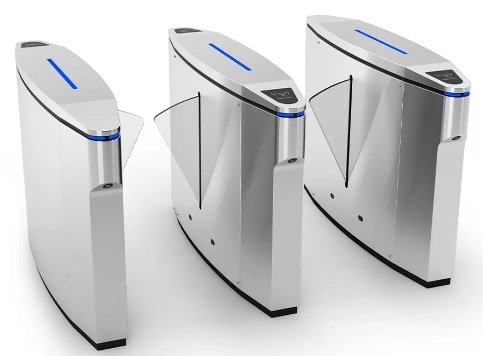
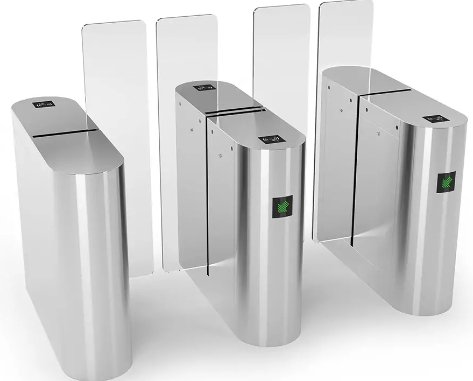
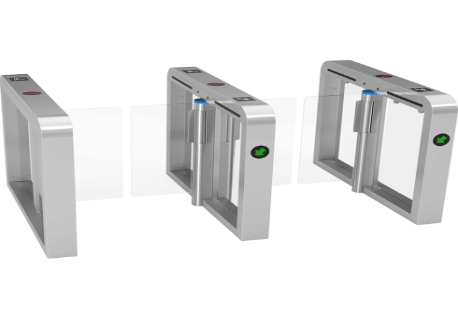
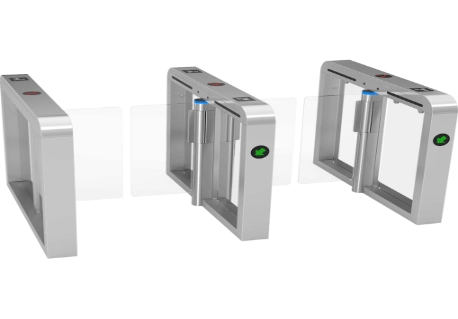
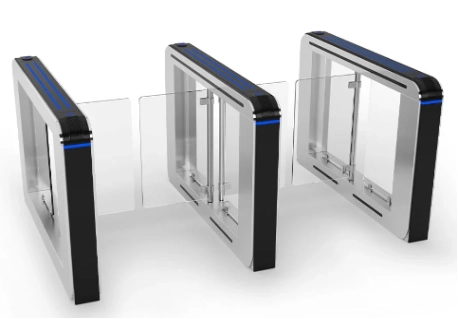
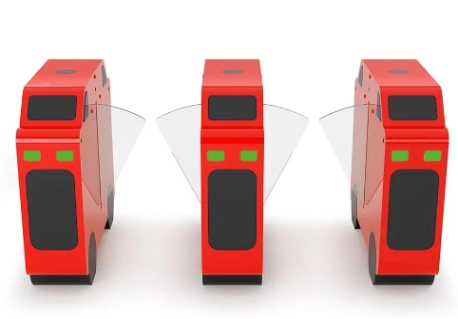
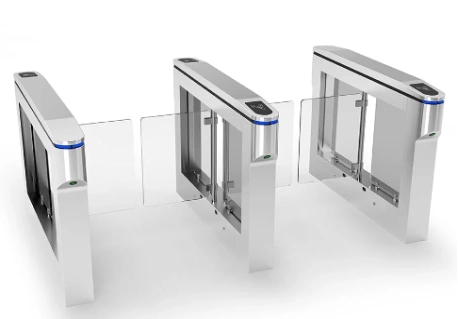
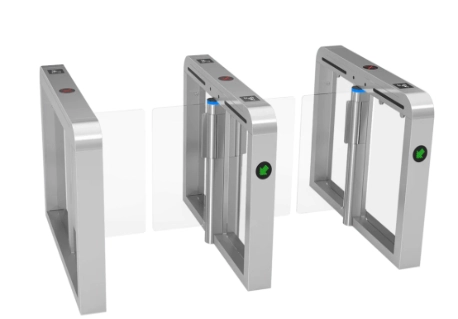
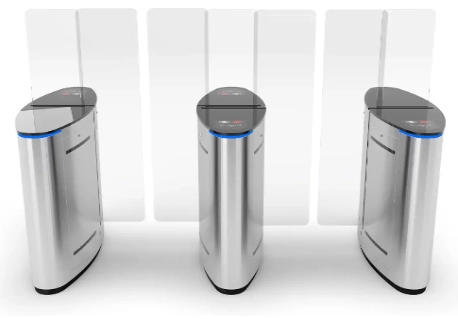
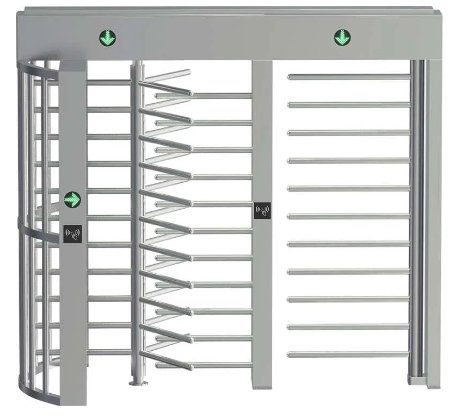
A warning sign on a computer monitor can easily be ignored. A physical gate clearly marks a border to a rule. A tripod set up in a single file line helps to keep a steady one-by-one pace. Flap barriers and sliding glass doors are only opened after a valid reader event has taken place. A full height turnstile forms a tall barrier or wall and is very suitable as an outer perimeter which separates the public street from the regulated area.
I am afraid no machine can replace smart daily management. That said a good emergency action plan is required by security teams and simple guest check-in methods and a temporary ID card solution for broken cards would be sensible at the gate. The gate functions of your current daily management should be stable and repetitive and not require your security team to figure things out on the fly.
Record entries for attendance, visitors, and incident review
Access logs are useful for solving daily mysteries. You can see who came in on a night shift. You can check if a guest is in. You can also check which scanner is causing problems for too many people. Did someone pull the fire escape? A linked access network describes what you did, who you were, when you did it, where you did it and what happened as a result.
Digital logs far outdo paper-based sign-in sheets. Not only can you search for and look at the individual entries at a later time, hidden trends are also revealed. For example, a scanner may be mounted too low on the wall, a specific door may cause a bottleneck, or employees from a certain department may need completely different methods of entry. These limits should be clearly defined and all data collected must comply with local privacy legislation. This is especially important when a facial recognition software device is used for the daily check-in process of employees.
How to Set the Right Security Level for Each Entrance
Waist-height control for supervised everyday access
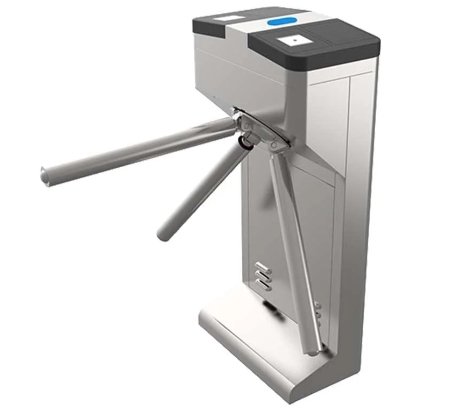
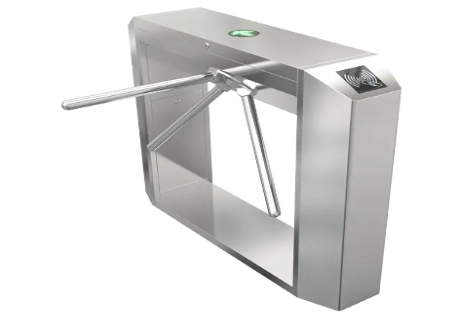
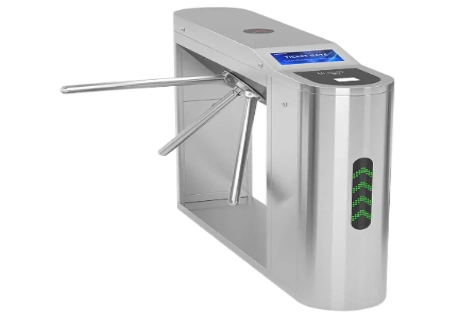
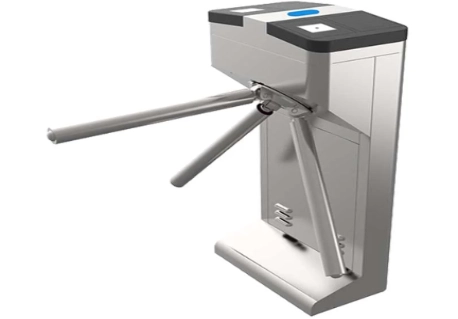
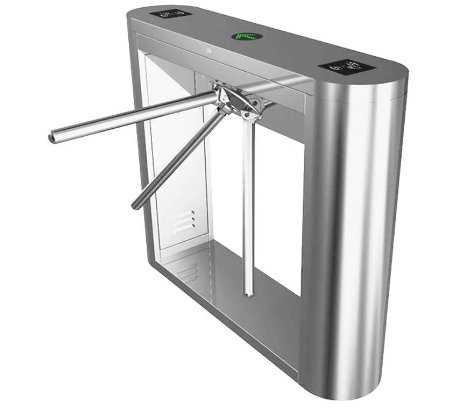
Waist-high swing gates are typically used at entrance points of corporate offices, health clubs, colleges and sports venues where users pass through in an orderly fashion. A tripod turnstile comprises three arms which rotate in unison to permit single person access whilst deterring others. Simple to use, a tripod turnstile is ideal for environments where order is paramount but a massive metal screen is not desirable.
When choosing between the two options, remember to consider the following factors: backpacks, toddlers, wheelchairs and guard visibility. The tripod unit is typically enough to handle walking traffic. Then you can put a wider ADA-compliant door next to it and have both paths go through it. You can then apply the same ID card policy to both, and have given everyone the physical space they need.
Full-height control for perimeter and restricted zones
High-security spots demand a wall that nobody can jump over or sneak around. A full height turnstile builds a very solid physical border. You will see these at manufacturing plants, power stations, and stadium back doors. They shine in locations where a guard cannot watch every single person walk inside.
You must design the nearby brick walls, metal fences, and overhead roofs at the exact same time. A giant gate fails completely if a trespasser can just step around the side of it. Fire escape plans also demand formal written guides and real-world safety tests. You cannot just rely on a promise in a sales brochure.
Face, card, QR, fingerprint, and remote approval workflows
The ideal entry tool is one that workers can use easily every single day. The company must also be able to track it safely. Plastic badges are common and very cheap to replace. Phone-based QR images are perfect for temporary guests and concert fans. Finger scanners and face cameras eliminate the need for plastic badges. However, these biometric tools demand strict photo collection, backup entry plans, and very clear legal warning signs.
When you install a facial recognition software device, you must give the user a good place to stand. This spot should be just outside the moving glass panels. Do not make a worker lean awkwardly over the glass. They should not have to twist their neck while the camera looks for a match. Always keep a backup plastic badge reader ready. You will need it for bad weather, a new haircut, a temporary guest, or a worker who refused the photo database.
Emergency exit, fail-safe, and accessible-route planning
You need to know how the machine reacts during a total blackout. What happens during a fire drill, a computer crash, or a broken internet cable? Some buildings require the glass panels to drop open instantly. Other high-security sites demand that the doors stay locked tight. Either way, you must write down the exact action. You must test it and teach your guards about it. A subway station gate might need a totally different safety rule than a bank vault. The crowd size and the panic risks change the whole situation.
Wheelchair access requires a full path design. It is not just a sticker on a sales sheet. You must measure the hallway width, the wheelchair turning circle, and the scanner height. Look at the floor bumps, the painted signs, and the walking distance to the front door. A special wide lane makes the morning commute much nicer for folks with walkers, heavy suitcases, baby strollers, or wheelchairs.
Which Technical Details Affect Reliability
Stainless steel grade, IP rating, and cleaning exposure
Most indoor and sheltered outdoor units use SUS304 grade metal. You might look at SUS316 metal if your job site faces heavy rust dangers. The best metal depends heavily on local moisture levels. It also depends on harsh floor soaps, ocean salt air, and direct rain storms.
An official IP weather score only matters if the setup matches the test conditions. A machine sold for street use still requires a solid concrete base. It needs proper water drains, buried wire tubes, and daily wiping. You must check the weather score of the entire finished project. Do not just guess that every tiny add-on part shares the exact same rain protection.
Electromagnetic, brushless, and servo mechanism choices
The internal engine type changes the pushing speed, the motor noise, and the repair difficulty. It also changes how long the parts last. A basic magnetic lock engine fits a simple tripod gate perfectly. Brushless motors or servo drives are better choices when you want silky smooth glass movement. They also fit places with very fast walking speeds. Your engine choice should depend on daily foot traffic, human habits, and your local repair budget. Do not believe a lazy sales pitch that claims one single motor is perfect for everything.
You should ask how the engine reacts when an angry person kicks the glass. How does it act when the safety beams pause the door? What happens when the electricity suddenly comes back on? Those tiny facts change your daily safety levels. They also change how many repair bills you pay over the next ten years.
Infrared sensors, anti-tailgating logic, alarms, and voice prompts
Invisible light beams tell the main computer if a worker actually walked through. They spot sneaky tailgaters and people who freeze in the middle of the path. You should not care about the total number of light beams listed in a catalog. The real issue is whether the beam locations, the siren triggers, and the glass closing speeds actually match your real-world lobby traffic.
Spoken audio warnings and flashing LED arrows stop traffic jams at busy tourist spots. These signals need to give very simple instructions. They might say “Please scan again” or “Please use the wide door.” You must test these audio warnings with real people. Make sure you test them with first-time visitors who do not know your building rules.
Interfaces, controller mapping, and manual setting during service
You must map out the wire signals before you buy anything. You need to connect the metal gate to the main security computer. Dry contact wires, RS232 ports, RS485 lines, relays, and internet cables are totally different things. You cannot just swap them blindly. You must figure out which wire opens the glass. You need to know which wire counts the footsteps. You also need to know how a break-in siren alerts the main guard desk.
Manual computer settings become huge issues after the opening day. Your repair crew might need to flip the walking direction. They might need to change the glass closing speed, the safety beam rules, or the fire alarm reactions. Good wire tags, an easy-to-read manual, and a signed testing sheet save you from disaster. They stop a tiny computer tweak from shutting down your lobby for a whole week.
How to Build a Specification That Installers Can Actually Use
Passage width, ceiling height, floor fixing, and cable routes
You should begin with a real blueprint of your lobby. Do not start with a shiny product picture. You must draw the final concrete height, the brick walls, and the support pillars. Draw the swinging glass doors, the velvet ropes, and the exact path to the wheelchair door. You must check the machine size, the repair tool space, the floor bolts, and the wire pipes before the concrete dries.
That same blueprint needs to show the wall scanner and the main computer box. It must show the fire escape button and the guard’s field of vision. A clean and tidy wire job is much easier to sweep around. It is also much easier to fix. A repair worker can reach the broken parts without tearing the whole metal box apart.
Credential placement and comfortable use of a facial recognition software device
You should put the ID scanner exactly where people naturally slow their feet. You must verify that the chosen turnstile scanner can actually read your specific company badges. Check your QR codes and paper tickets before the metal box is bolted down. For face cameras, you must leave a small empty circle on the floor. This lets the worker look straight at the lens without bumping into the person ahead of them. You must keep a clear exit path for anyone whose face scan fails.
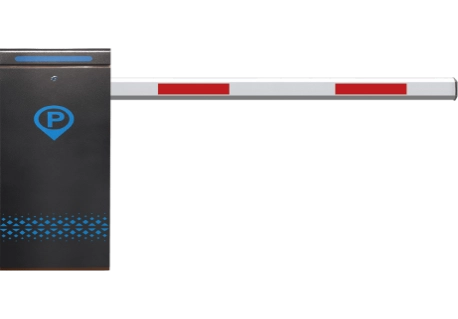
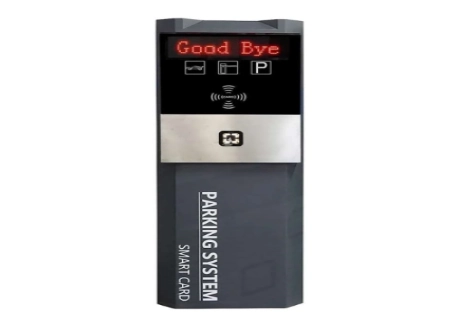
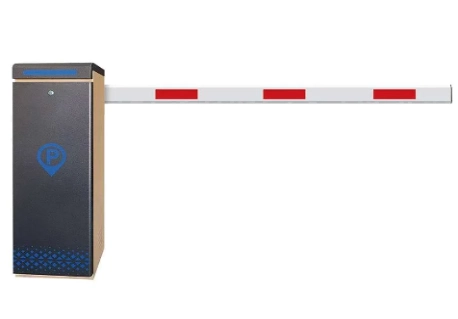
You must never let a parking ticket system or ticket parking system control your walking paths blindly. You need a strict engineering review first. Those terms might describe a similar software background. However, a pedestrian access control system strictly requires its own glass rules, safety beams, and digital data logs.
Testing invalid credentials, forced entry, power loss, and emergency release
A proper opening day test involves much more than one lucky badge scan. You must test old canceled badges and fake copied tickets. You must test a person walking too close to another. Test a user who stands still in the middle of the glass. Test a violent shoulder push, a broken internet wire, and a pulled power plug. You need to write down the exact passing grade for every single test. The head security guard must sign the paper after watching it happen.
If your lobby relies on turnstile autocheck, you must write down exactly what the computer checks. It might check the ID badge, the walking direction, the light beams, and the payment status. That marketing word is not a magic wand. You must list the exact computer steps in your formal building contract.
Budgeting for warranty, replacement parts, and turnstile repair
The initial metal box price is just the tip of the iceberg. You need to ask about the warranty years and the parts that break most often. Ask about the repair truck driving time, the phone help desk, and the local company in charge of turnstile repair. A cheap metal gate becomes incredibly expensive if a tiny broken wire keeps your lobby shut down for a month.
You should also ask what the turnstile installers will leave behind on the last day. They should give you the wire maps, the computer passwords, and a list of spare parts. They should leave a cleaning guide and a copy of the final safety tests. These papers help your local building manager fix tiny daily problems. They will not have to wait for a giant engineering crew to fly back out.
How KARSUN turnstile Solves Different Security and Access Needs
Here at KARSUN turnstile, we look at your doorway problems first. We do not just shove the exact same metal box into every single building. We study your crowd sizes, your danger risks, and your floor plans. We look at your ID badges, your weather limits, and your repair budgets. After that, we pair those facts with the perfect machine setup. Our product line covers tripod, flap, sliding glass, high-speed, and full-height barriers. We also offer deep OEM and ODM talks. We can change the sizes, the paint colors, the computer rules, and the wire hookups.
For a small, daily walking path, the JS-SGZ003C Vertical Tripod Turnstile Gate uses a classic three-bar shape. It keeps crowds moving one by one. Its stainless steel 304 body works well for inside rooms and covered outdoor spots. We can modify the internal board to fit your favorite card readers. It is a very smart choice when a building needs tough crowd control but lacks floor space.
When a doorway faces rain storms and heavy floor mops, the JS-SGZ005 Outdoor Waterproof Stainless Steel 304 Tripod Turnstile Gate gives your engineers a solid foundation. The standard model uses tough stainless steel 304 and carries an IP54 weather score. We will verify its final survival chances against your specific rain angles, floor puddles, and bolt locations.
For a much tougher physical wall, the JS-QGZ001 Signal Lane Full Height Turnstile Gate Stainless Steel 304 Security Gate for Entrance focuses entirely on tall perimeter defense. You should look at this for high-risk doors where a short glass panel is just too weak. We assist the buyer in checking the nearby chain fences, the card scanners, the fire escape rules, and the repair tool angles before we cut the steel.
For high-tech face scanning, the JS-QGZ008 Signal Lane Full Height Turnstile Gate with Face Recognition Access Control System links a giant metal wall with smart camera checks. We treat the facial recognition software device as just one piece of the puzzle. We then build the backup badge rules, the legal warning signs, the camera heights, and the computer logs around it. This method keeps the daily security plan easy for your guards to manage.
When a strict security building also needs a wheelchair door, the JS-QGZ011 Signal Lane Full Height Turnstile Gate with Handicap Lane helps the builders. It splits the walking crowds from the rolling crowds. However, it never drops the strict ID card rules. We study the door widths, the turning circles, the scanner heights, the painted lines, and the fire escape buttons with your building crew.
Our customer help lasts long after the metal box is bolted down. We can talk about dry-contact wires, RS232 ports, RS485 lines, relays, or special network rules. We give step-by-step bolting advice. We handle OEM and ODM design changes. We also help you build a solid spare parts list and a turnstile repair schedule. Our ultimate goal is a pedestrian access control system that your local building team can actually understand, test, and fix long after the installers drive away.
FAQs
Q: What is the best turnstile gate for a restricted entrance?
A: A full height turnstile builds a much tougher physical wall than a short waist-high unit. However, true safety still relies heavily on your ID badge rules, your light beams, your guard patrols, your fire escape plans, and your nearby brick walls. The smartest choice must be checked against your actual local crime risks and daily crowd sizes.
Q: Can a facial recognition software device open a turnstile gate?
A: Yes, it can. This works perfectly when the camera screen and the main motor board share the exact same wire language. The building also needs a strict photo collection plan, privacy rules, and a backup badge reader. KARSUN turnstile can check your wire plans and your software rules before we build the machine. This ensures the face camera and the glass doors work together smoothly.
Q: How should turnstile installers size an accessible lane beside a turnstile?
A: The needed door width relies completely on your local city wheelchair laws. It also depends on the specific medical chairs used in your building. You must check the city rulebook, the turning circles, the scanner heights, and the fire escape paths before you pour the concrete floor.
Q: What causes a pedestrian turnstile to need turnstile repair?
A: Millions of daily pushes, crooked light beams, loose floor bolts, dirty motors, bad power plugs, and messy computer rules are the usual suspects. A strict cleaning schedule, written computer passwords, and a box of spare parts will shrink your downtime. They make turnstile repair much easier to handle.
Q: What should a turnstile scanner specification include for pedestrian access control?
A: You need to ask for details on the metal shell, the internal engine, the ID badge readers, and the wire connections. Ask for the exact metal sizes, the concrete prep work, the bolting steps, the safety tests, the warranty years, the guard training, the spare parts, and the phone help desk. The final price quote must also explain exactly what happens during bad badge scans, fire drills, blackouts, and repair visits.