





How Do Parking Management Systems Work? Technologies, Workflow, and Business Value
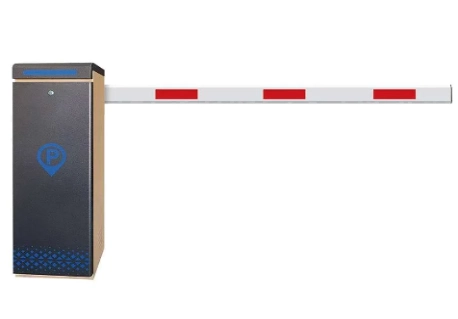
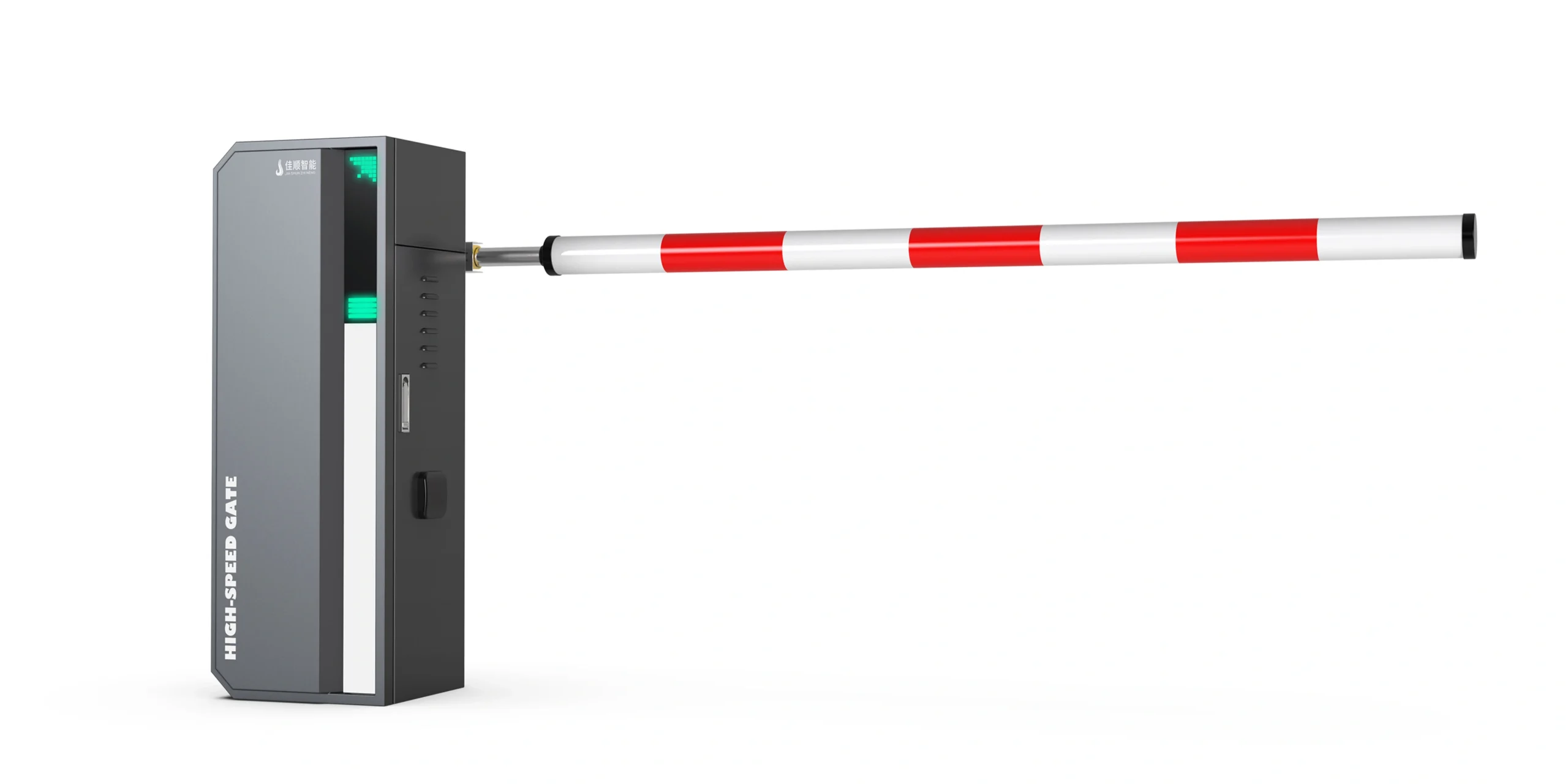
What Are Parking Management Systems? Definition and Core Functions Parking management systems are integrated solutions that control vehicle access, identification, and transaction records through coordinated hardware and software. A typical parking management system connects license plate recognition, barrier gate control, and management software to automate entry and exit decisions. By replacing manual checks with system logic, parking operators gain consistent control over traffic flow and data accuracy. Importance in Modern Urban Mobility Parking management systems matter a lot in today’s cities. Traffic gets thicker all the time, but parking spots stay scarce. In office zones, home areas, and public spots, loose parking leads to jams and work fights fast. A solid parking management system lets staff apply rules even-handedly. It also keeps car movement steady in busy times. Global Experience and Proven Deployment Models Global deployment experience shows that parking management systems work best when hardware and software are planned together.
How Does an Optical Turnstile Work? Technology, Functions, and Applications
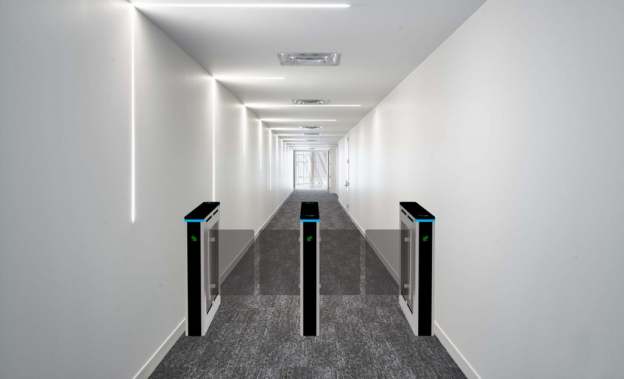
An optical turnstile works by combining infrared sensor detection, access control logic, and motor-driven barriers to manage pedestrian entry without relying solely on mechanical obstruction. This sensor-based approach allows modern buildings to maintain an open visual environment while still enforcing precise access rules. As workplaces, transport hubs, and commercial spaces demand higher efficiency and better user experience, optical turnstiles have become a preferred access control solution. Optical Turnstiles Definition An optical turnstile is an access control gate. It uses optical sensors to spot and check people’s movement before letting them pass. Rather than relying just on physical spin, optical turnstiles depend on infrared detection and system logic to confirm allowed entry. After credentials get checked via RFID cards, QR codes, or biometric systems, the turnstile opens on its own. Then it shuts once the passage ends. Optical swing turnstiles gain much favor in new building styles. They use clear glass
Turnstile Parts and Components Explained: Structure, Control, and System Reliability
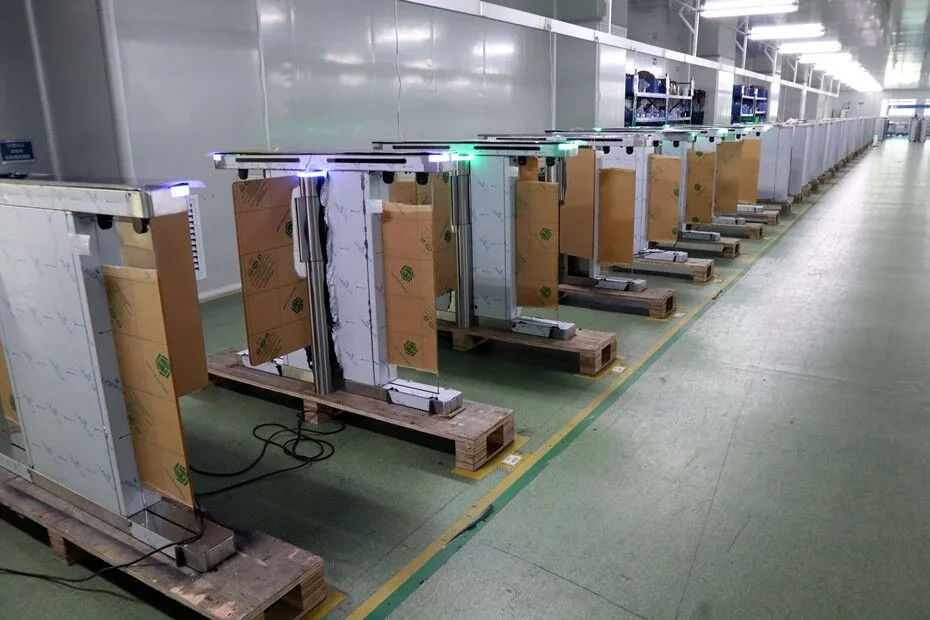
Mechanical Parts and Control Parts of Turnstile Gates Mechanical parts and control parts together define the real performance level of a turnstile gate system. Many buyers evaluate turnstiles mainly by appearance or price, but experienced integrators know that internal structure and control architecture determine long-term stability, safety, and maintenance cost. Mechanical parts focus on physical movement and load-bearing, including the structural frame and turnstile mechanism, while control parts manage logic, authorization, and safety response. When these two systems are well matched, a turnstile gate can operate smoothly for years even under high traffic conditions. Turnstile Components Explained in Detail Turnstile Chassis The turnstile chassis makes the base structure of the whole turnstile gate system. A solid chassis guards the inside parts. It also keeps mechanical steadiness over time. Most turnstile systems use precisely made stainless steel chassis. They come from 304 or 316 grade material. This gives rust resistance for
A Complete Guide to Turnstile Ticketing Systems for QR Code and Digital Ticket Access
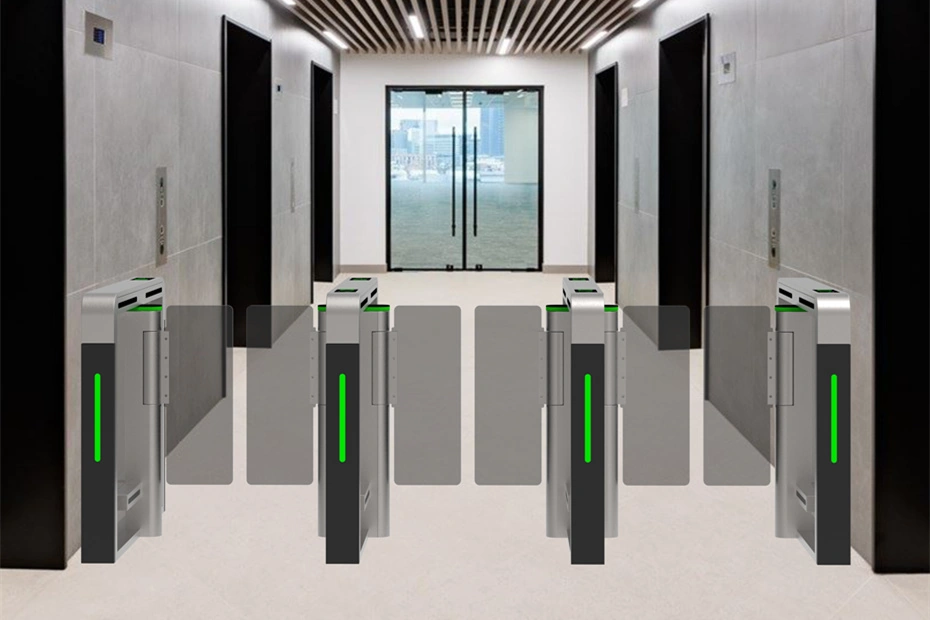
What is a turnstile ticketing system? A turnstile ticketing system is a fully integrated access control solution designed to validate tickets and regulate pedestrian entry with speed and accuracy. This system ensures that only authorized users can pass, while improving queue management and reducing the workload on staff. By combining hardware such as turnstiles with verification software, the system automates ticket checking through QR codes, RFID cards, barcodes, or mobile passes. This automation not only increases entry efficiency but also provides real-time data on visitor flow, making it an essential tool for venues that handle large crowds daily. The core idea behind a turnstile ticketing system is to enhance security and streamline operations. With the growing need for contactless access, turnstile-based ticketing has become the preferred choice for attractions, stadiums, transportation hubs, and smart campuses. Because verification happens instantly, operators can minimize bottlenecks and create a smoother experience for visitors
What Is a Turnstile Access Control System and How Does It Work?
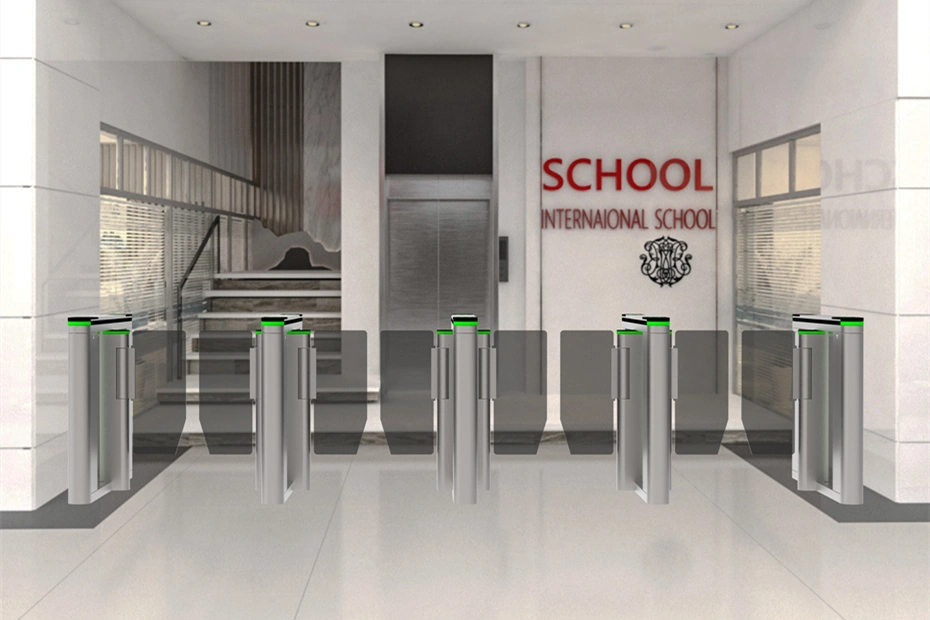
Turnstile access control system A turnstile access control system provides a reliable way to manage pedestrian movement and ensure that only authorized individuals enter protected areas. A turnstile access control system improves both safety and efficiency by combining physical gates with digital authentication. At KARSUN turnstile, we design systems that balance durability, speed, and user convenience. Our product range—from sliding speed gates to tripods and full-height turnstiles—meets the needs of buildings, transportation hubs, and industrial sites. The JS-PYZ008 Oval Shape Sliding Turnstile and JS-QGZ009 Full Height Turnstile 120/90 Degree Rotate High Security Gate are strong examples of how we support different scenarios with dependable performance. Basic composition 1. Pedestrian Turnstile Gate Pedestrian turnstile gates form the physical access point within the system. Gate types vary from tripod turnstiles to sliding speed gates designed for high-end environments. The JS-PYZ008 Oval Shape Sliding Speed Gate offers smooth motion and reliable throughput. 2. Access Control

QR Code Card Reader Guide for Modern Turnstile Gate Systems
What Is a QR Code Card Reader A QR code card reader is a scanning device used to authenticate QR codes for turnstile access control. The reader captures the QR pattern through a built-in imaging module and decodes the data instantly, allowing the connected turnstile to determine whether a user is authorized to enter. This process supports both mobile QR credentials and printed QR tickets, making it a flexible and user-friendly access method. When integrated into modern access gates, the QR reader enables hands-free, paperless, and fast verification—ideal for crowded environments such as attractions, metro stations, and corporate buildings. In many of our projects at KARSUN turnstile, QR verification has become the preferred method because it improves throughput, reduces labor costs, and eliminates the need for physical cards or wristbands. Features of QR Code Card Reader A QR code card reader includes several features designed to support accurate and efficient scanning.

Turnstile Gate Installation Guide: Costs, Steps & Key Requirements
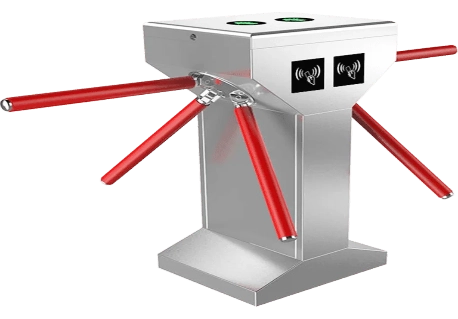
Types of turnstile installation: Tripod turnstile installation type The tripod turnstile installation type is widely adopted because tripod structures offer stability and efficient crowd control. The foundation must be level so the rotating arms run smoothly. This is especially important for models such as the JSTD3263-22 – Efficient Entry Management Tripod Turnstile, whose electromagnetic mechanism performs best with firm anchoring. Tripod turnstiles are common in stadiums, parks, and subways due to their durability and simple wiring. Swing turnstile installation type The swing turnstile installation type requires precise alignment between the swing arms and the motor to maintain smooth and safe movement. Because swing barriers need wider passages, installers must pre-measure both sides of the lane. Swing systems are popular in offices and commercial centers for their quiet operation. Flap barrier installation type Flap barrier installation type delivers fast throughput for lobbies and transit stations. Accurate alignment prevents rubbing and ensures

Face Recognition Access Control Systems: Key Functions and Advantages
What is Face Recognition Access Control? Definition and Core Components Face recognition access control is a smart security way that checks who you are by looking at your face before it lets you in. The system uses clear cameras, infrared lights, fast processors, and special software. All these parts work together to spot unique points on a person’s face. Unlike cards or codes that can get lost or shared, your face stays with you forever. This makes the whole setup much safer. How Facial Recognition Identifies Users The gate takes a quick picture of your face right there. Then it compares that picture to the ones saved earlier. Good systems also check if you are a real live person. They use depth sensors and infrared, so no one can trick them with a photo or video. Comparison with Traditional Access Methods Cards and passwords work, but they have problems. People

Turnstile Gate Dimensions: Optimizing Structure, Channel Size, and Long-Term Maintenance
Understanding Turnstile Gate Dimensions in Modern Access Control Core Turnstile Gate Dimension Categories Core turnstile gate dimension categories define how well a gate fits into real-world access control environments. These categories typically include the chassis length, width, height, passage width, and lane spacing, each contributing to the gate’s function and installation flexibility. For example, compact gates fit narrow corridors, while larger sliding gates accommodate wider halls. By clearly understanding these categories, planners can evaluate whether a turnstile matches the space constraints and user flow requirements of a site. Dimension Impact on Safety and Throughput The size of a turnstile changes how many people move through and how safe they feel. A normal 550mm passage keeps good control and stops tailgating. Wider lanes from 800mm to 1000mm let people with bags or wheelchairs go through easily. Height and chassis shape also matter during busy times or emergencies. Choose the right sizes,

What Is an Automatic Ticketing Turnstile and How Does It Work?
What is an automatic ticketing turnstile? Definition and Basic Concept An automatic ticketing turnstile is a smart gate that checks tickets by itself. You show a QR code, tap a card, or scan a barcode, and the gate decides in a second if you can go in. No person needs to stand there and look at your ticket. These gates work day and night at train stations, amusement parks, football stadiums, and big exhibitions. They keep the line moving fast and stop people who try to sneak in without paying. Components of an Automatic Ticketing Turnstile Every gate has a few main parts. The body can be a tripod, flap wings, sliding glass, or swing door – we pick the shape that fits the place best. Inside sits a fast reader for QR codes, RFID cards, or NFC phones. A small computer board runs everything and talks to the main