Speed Gate vs Flap Barrier Turnstile in 2026 Which One Is Better for Your Entrance?
A busy entrance can make two gates that look similar behave very differently. A speed gate is built around quick, polished movement. A flap barrier turnstile uses retracting flaps and a sensor-managed lane to create a clear entry rhythm. Both can connect with a pedestrian access control system, yet neither is automatically the better choice.
In 2026, buyers should look past a showroom demo. The useful question is how the complete lane handles queues, invalid cards, luggage, accessibility, emergencies, and daily cleaning.
What Is the Main Difference Between a Speed Gate and a Flap Barrier Turnstile?
The biggest difference is not simply speed. It is how each gate manages the person inside the lane.
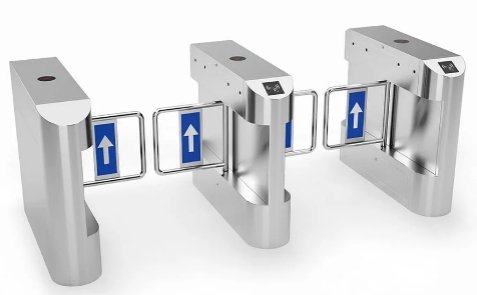
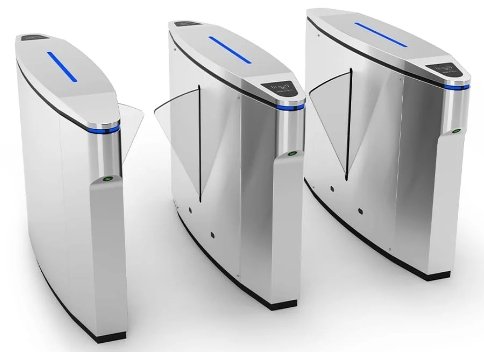
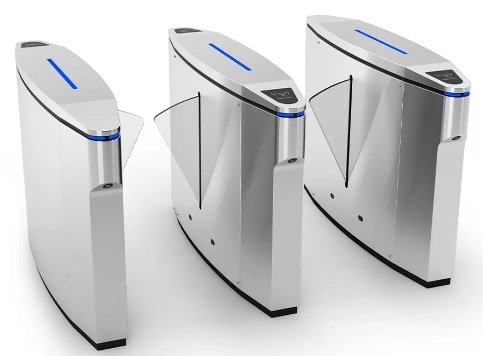
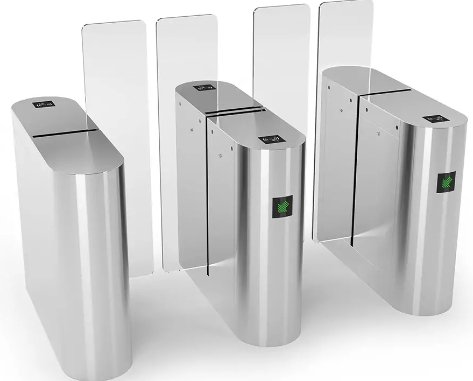
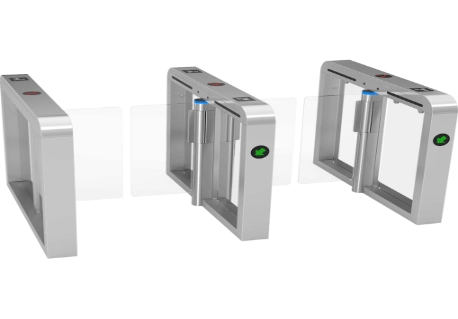
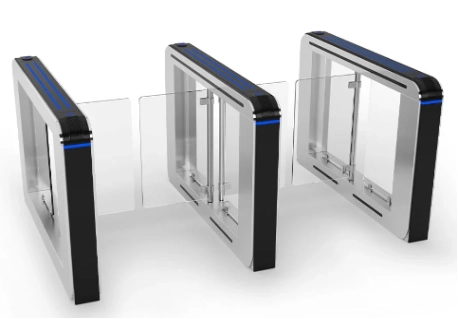
A speed gate pairs fast-moving panels with sensors. After a reader accepts a credential, the panels open and sensors track the passage. Its modern form suits offices, headquarters, hotels, and design-led interiors.
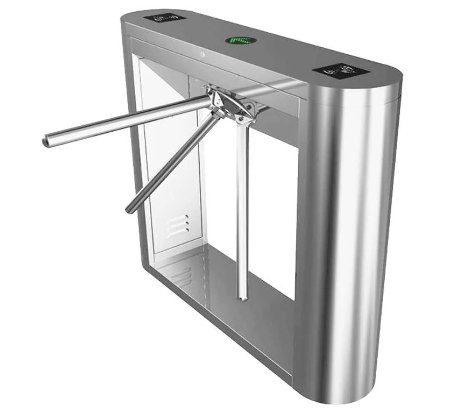
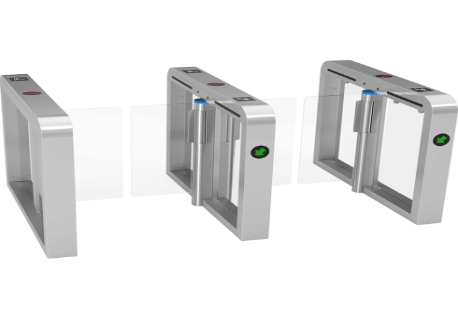
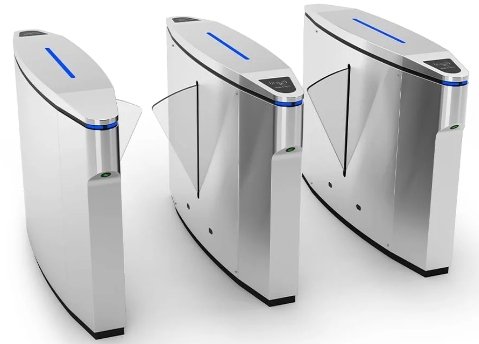
A flap barrier retracts its panels into the cabinets, creating an obvious stop when closed and a clear path when open. It is familiar in gyms, clubs, intelligent buildings, and transport-style entrances.
Because the categories overlap, ask how the barrier moves, what the sensors monitor, and what happens after an invalid read or change of direction.
Which Turnstile Gate Handles Busy Entrances Better?
A speed gate is often the stronger candidate for a premium, high-flow lobby, but the reader and layout can matter more than a small difference in opening time. A slow face scan in front of a fast mechanism still creates a slow entrance.
Count arrivals during the busiest 15 minutes. Note credential delays and whether queues can spill into lifts or doorways. Give people enough approach space to choose a lane and make status lights easy to see.
A flap barrier can also handle frequent traffic well, especially where users know the lane or a transport-style passage suits the site. Size the lane bank for the real peak, not an idealised brochure figure.
Which Access Control Gate Offers Better Security?
Neither gate verifies identity on its own. The reader decides whether a credential is valid; the barrier and sensors manage physical passage. Security therefore comes from the full pedestrian access control process.
Speed gates can identify wrong-way movement, close following, or someone remaining in the lane. Flap barriers can provide similar monitoring with suitable sensors and logic. Confirm the chosen model’s exact alarm and closing behavior.
Test an approved user, a rejected credential, close-following people, reversed movement, and a bag in the sensor zone. Define the guard response too. A site needing a stronger unattended boundary may require a full-height turnstile instead.
Which Gate Needs More Installation Space?
Cabinet dimensions are only the beginning. The finished plan needs room for the lane, reader posts, accessible passage, cable routes, queuing, guard access, and emergency egress.
Speed gates are commonly selected for sleek multi-lane banks, but their cabinets and moving panels still need proper clearance. Flap barriers retract their panels into the housings, so the cabinet arrangement must accommodate that movement. In a narrow lobby, a compact body may help; in a crowded lobby, a wider approach area may help even more.
Mark the layout on the floor, then walk it with luggage, a cart, and a mobility aid. Check the floor structure and cable entries. A gate too close to a door merely moves the bottleneck.
Which Option Works Better for Accessibility and Visitor Comfort?
Both can support a welcoming entrance. The accessible route needs the clear width required locally, a reachable reader, and room to approach and turn. It should remain available without special requests.
Speed gates suit interiors where movement, finishes, and lighting shape the visitor experience. Flap barriers provide an obvious open-or-closed signal. Either gate must account for children, slower walkers, luggage, and mobility equipment.
Emergency behavior matters too. Confirm how the barriers react to a fire signal and loss of power, and keep the required escape route independent of normal credential approval. Local safety and accessibility rules should guide the final configuration.
Which Turnstile Is Easier to Maintain?
Maintenance depends more on mechanism quality, traffic, environment, and service access than on the label. Both designs include moving parts, electronics, sensors, and controller connections that need inspection.
Ask who can open the cabinet, how common parts are replaced, and whether settings can be backed up. Technicians should inspect fasteners, alignment, noise, reader response, emergency release, and event logs on schedule.
Record false alarms and slow openings early; they can reveal when cleaning, adjustment, or service is due.
How Do You Choose the Right Gate for Each Building?
Choose a speed gate for a design-sensitive entrance with brisk daily flow and repeat users. It fits offices, hotels, and modern commercial buildings.
Choose a flap barrier turnstile when a visible retracting barrier, sensor-controlled passage, and familiar lane format fit the site. Gyms, clubs, transit-style entrances, and intelligent buildings are common examples.
Score both options against peak flow, security response, space, accessibility, style, and maintenance. Then test the intended reader and controller together. An available interface matters only when the devices and operating logic are compatible.
How KARSUN turnstile Solves Different Entrance Problems
At KARSUN turnstile, we start with the entrance problem rather than pushing every project toward one mechanism. We review the passage layout, credential method, expected flow, finish, barrier behavior, and service needs before matching a configuration.
For a modern office or hotel lobby, our JS-STM002 High Speed Gate is designed for fast, reliable building access while retaining a high-security focus. Its materials, finishes, and lighting effects can be selected to sit more naturally within the surrounding interior.
When a retracting flap suits the lane, our JS-TD6301-21 Flap Barrier Turnstile Gate supports sensor-managed pedestrian access in hotels, intelligent buildings, clubs, gyms, and subway-style settings. It is a practical route when buyers want a clear barrier action and an open-feeling authorised passage.
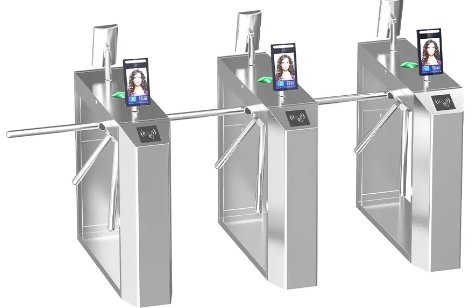
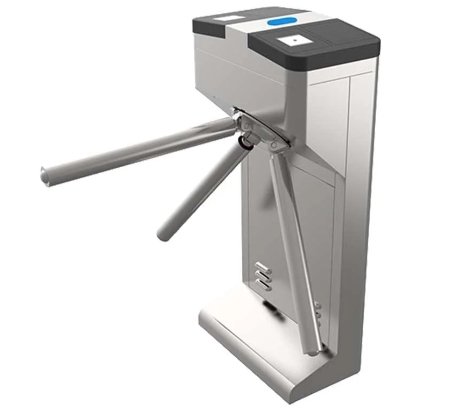
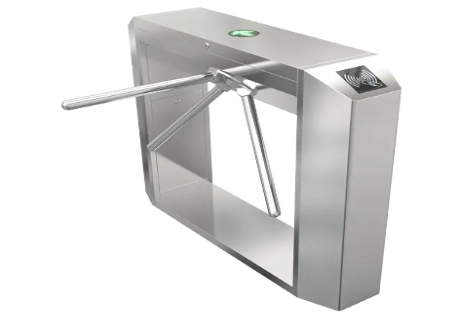
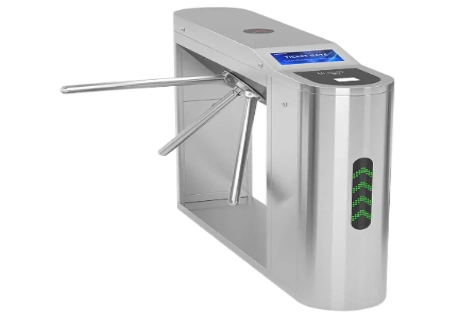
For a compact, quiet alternative, our JS-PYZ001 Octagonal Shape Sliding Turnstile uses smooth, silent operation for commercial or station-style passages where appearance and traffic both matter. Where economical one-person control is the priority, the JS-SGZ001 Bridge Tripod Turnstile Gate uses SUS304 stainless steel construction and can work with multiple access control systems.
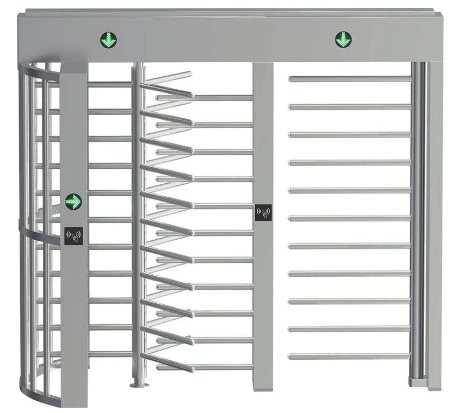
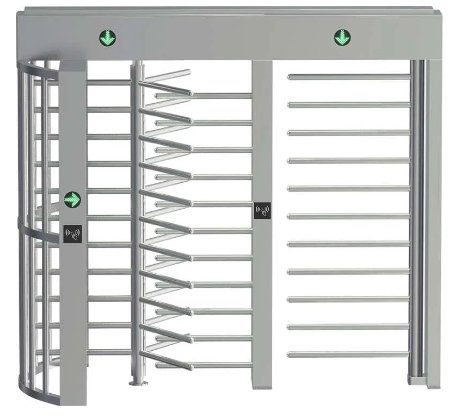
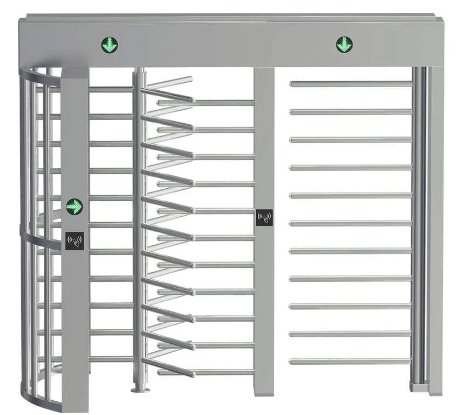
Some sites need a stronger perimeter and an accessible route in the same arrangement. Our JS-QGZ011 Signal Lane Full Height Turnstile Gate with Handicap Lane addresses that requirement with a controlled full-height lane and a dedicated wider passage.
We support OEM and ODM requirements, interface confirmation, layout discussion, installation guidance, commissioning, spare-parts planning, and after-sales service. We help connect the selected KARSUN turnstile to the way people, readers, alarms, and operators actually use the entrance.
FAQ
Q: Is a speed gate better than a flap barrier turnstile for an office lobby?
A: A speed gate is often preferred for an office lobby because it combines quick passage with a slim, polished appearance. A flap barrier turnstile can still be a sensible choice when clear barrier movement or budget is more important. Peak traffic, reader speed, lane width, and emergency behavior should decide the final choice.
Q: How fast can a speed gate handle pedestrian access control?
A: Practical throughput depends on credential reading, user behavior, sensor settings, and the number of lanes, not only barrier movement. Measure the busiest 15-minute arrival period and test the complete pedestrian access control journey before setting a capacity target.
Q: Can a flap barrier turnstile prevent tailgating?
A: A flap barrier turnstile can detect or discourage tailgating when it has suitable sensors, control logic, alarms, and lane geometry. No waist-height gate removes every risk. Sites should test close-following scenarios and define how security staff will respond.
Q: What access control systems can connect to a turnstile gate?
A: A turnstile gate may connect with card, QR, fingerprint, face, ticketing, or remote-release systems when the reader and controller interfaces are compatible. KARSUN turnstile can review signal requirements for models such as the JS-STM002 High Speed Gate before production.
Q: How much space is needed for a speed gate or access control gate?
A: Space must cover the cabinet and clear lane plus reader access, queuing, an accessible route, maintenance clearance, cable entry, and emergency egress. Exact dimensions depend on the selected access control gate and local rules, so a marked floor plan should be checked before ordering.