A pedestrian turnstile gate does more than open and close a lane. It creates a controlled moment between the public area and the space behind it. In a modern office, that moment may confirm an employee card. In a gym, it may validate a membership. In a data center, it may be one step in a much stricter chain of checks.
In 2026, buyers are looking beyond a metal barrier and a reader. They want a turnstile gate system that handles real traffic, discourages tailgating, connects with access software, and remains practical for staff to operate. They also want a clear answer about cost, maintenance, installation, and the difference between the many turnstile designs on the market.
This guide explains the core functions of a modern pedestrian turnstile gate system and shows how we at KARSUN turnstile approach model selection. The goal is simple: help a project choose a lane that people can use comfortably and a security team can manage confidently.
What Defines a Modern Pedestrian Turnstile Gate System
A modern pedestrian turnstile gate system combines a physical barrier, a control mechanism, sensors, a credential reader and management software. Each part has a job. The barrier controls movement, the reader checks permission, the sensors confirm passage, and the controller decides what should happen next.
That combination is what separates a useful access control turnstile from a decorative entrance feature. The lane should be easy to understand in normal use, but it should also respond correctly when someone walks the wrong way, tries to follow another person, loses power or needs emergency passage.
Core Design Principles of Turnstile Gate Systems
The first principle is single-person control. One approved credential should normally create one passage event. That keeps records clean and makes tailgating harder. The second principle is predictable movement. A user should know where to present a card or QR code and should not have to guess whether the lane is ready.
The third principle is fit. A compact tripod lane may be right for a staff entrance, while a premium lobby may need a wider, faster lane with a softer visual presence. The best design is not the most complicated one. It is the one that matches the traffic, the building and the risk.
Key Technological Components in Modern Systems
The reader can be a card reader, QR code scanner, biometric reader or a combination of methods. A facial recognition software device can be added when a site wants hands-free verification, but it should not remove the need for a backup credential or a clear visitor process.
Sensors are equally important. They help the controller understand whether a person has entered, whether the lane is clear, and whether an attempt has been made to pass without approval. Controllers may communicate through dry contact, RS232 or RS485 depending on the access platform. This is why the wiring plan deserves attention before the turnstile installers arrive.
Safety, Accessibility and Emergency Operation
Security should not make a building difficult to leave. A well-planned turnstile system includes emergency release, alarm behavior and a clear response when power or fire systems require the lane to open. The passage also needs to suit the people who use it. Some sites need a wider lane for wheelchair users, strollers, luggage or visitors carrying equipment.
For a public-facing entrance, accessibility is not an optional afterthought. A project should decide early whether one lane will be wider, whether it will remain available during busy periods, and how staff will guide a user who cannot use the standard credential reader.
How Do Pedestrian Turnstile Gates Enhance Access Control
A door can be propped open, and a manual checkpoint can become inconsistent during a rush. A turnstile gate gives the access policy a physical form. The user receives permission, the barrier opens, the sensors confirm the passage, and the lane returns to its controlled state.
This process is useful because it is visible. Staff can see when a lane is ready, a visitor can see whether access has been accepted, and the management platform can record the event. That makes access control easier to audit and easier to improve.
Controlled Entry and Exit Mechanisms
Most sites set a normal direction for each lane. Some use separate entry and exit lanes, while others switch direction by schedule. The controller can coordinate the barrier with the credential reader so that an approved person is allowed through only in the intended direction.
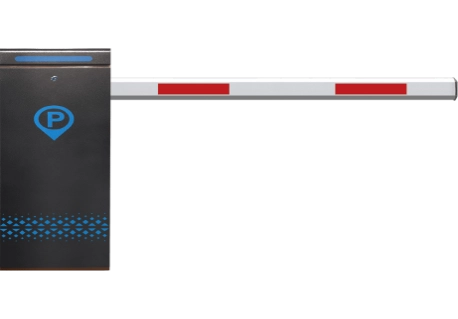
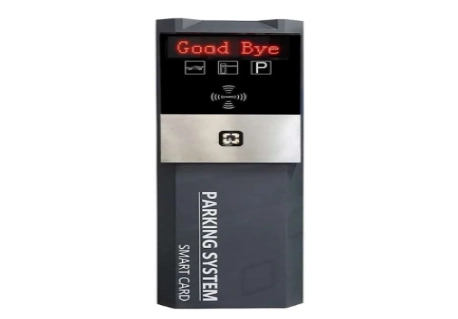
The result is better pedestrian flow. Employees do not need to wait for a guard to check every card, while visitors still have a clear route to reception. If the site uses a parking ticket system or visitor platform, the same identity event can be linked to the pedestrian lane.
Integration with Access Management Systems
An access control turnstile is most useful when it shares information with the wider system. A staff card can be checked against time schedules. A visitor QR code can expire automatically. A contractor can receive permission for one entrance and one time window. A face-based credential can be limited to users who have completed the required enrollment process.
The question people ask at a reception desk is sometimes as simple as, ‘what’s the password?’ A connected system reduces that kind of informal workaround. Access is based on a controlled credential, not on a shared answer that may be passed from one person to another.
Prevention of Unauthorized Entry Attempts
No turnstile can replace a complete security plan, but the lane can remove several common weaknesses. It can stop a person without a valid credential, detect an incorrect direction, and raise an alarm when someone tries to pass too closely behind an authorized user.
Waist height and tripod designs create a clear one-person rhythm. High speed and flap barrier designs use sensors to support faster flow. The difference is not only appearance. It is the way each barrier handles the balance between speed, visibility, accessibility and resistance to tailgating.
What Are the Main Types of Turnstile Gates Used Today
There is no single best turnstile for every entrance. A buyer should first look at traffic volume, available floor space, required security, user mix and the visual character of the building. From there, the lane type becomes much easier to choose.
Tripod Turnstile Gate Applications and Benefits
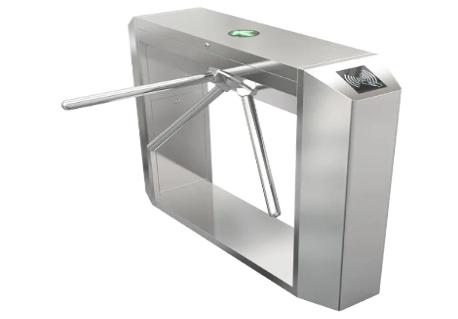
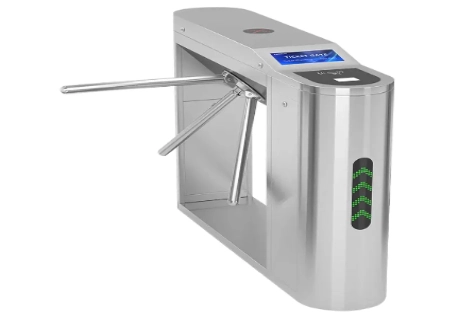
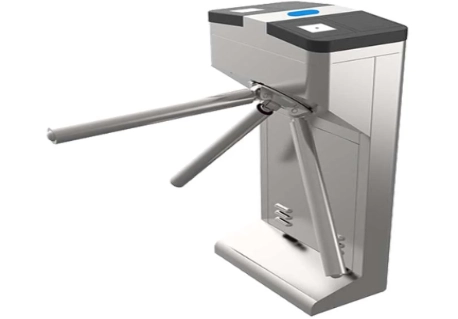
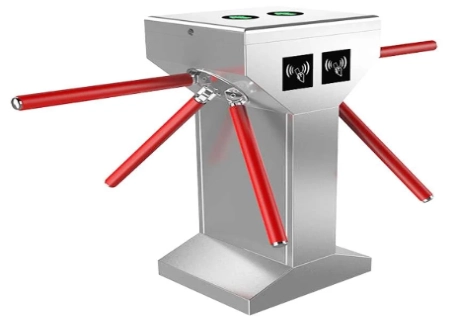
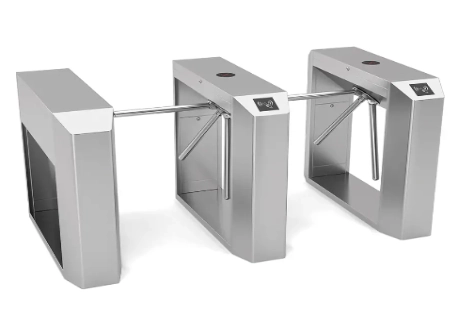
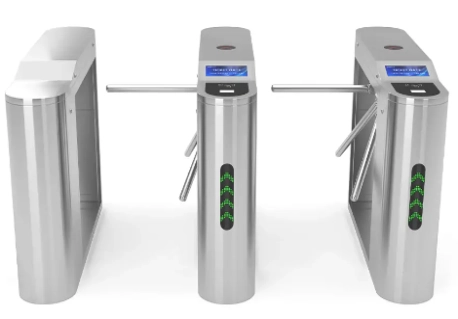
A tripod turnstile is a familiar choice for gyms, schools, factories and staff entrances. Its three-arm mechanism creates a straightforward one-person-at-a-time passage pattern. It is compact, easy for users to understand and often a sensible choice when the project needs dependable control without a premium lobby appearance.
The JS-SGZ001 Bridge Tripod Turnstile Gate is designed around that practical role. Its bridge-style body keeps the lane visually clear, while the tripod mechanism supports regular daily entry. We commonly position this type where the security team wants simple operation, clear credential checks and an economical footprint.
Tripod lanes are not always the right choice for visitors with luggage or mobility needs, so many projects reserve a wider companion lane. That small planning decision can make the whole entrance feel more considerate without changing the main staff flow.
High Speed Gate and Flap Barrier Applications
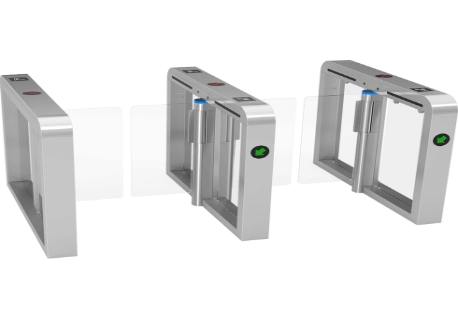
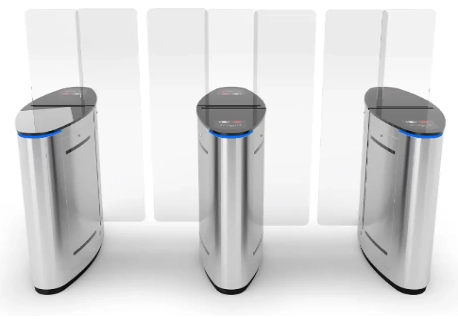
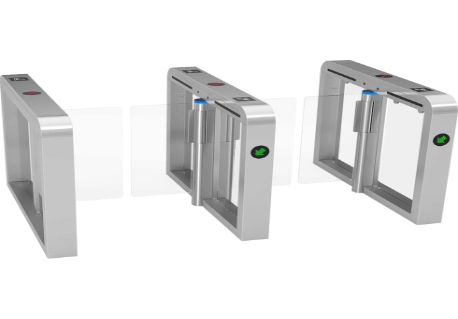
High speed gates are a good fit for commercial lobbies, office towers, campuses and other entrances where people expect quick, quiet movement. The lane needs to look polished, but the visual finish is only part of the value. The barrier should open promptly after approval, close reliably after passage and support sensors that can detect unusual movement.
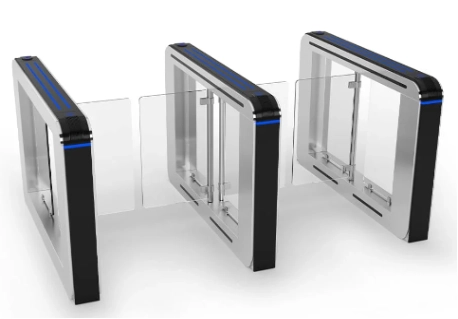
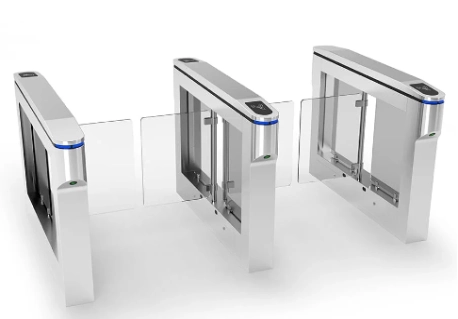
The JS-STM002 High Speed Gate is built for fast, reliable access control at a building entrance. Its slim form, glass barrier styling and selectable finishes allow it to sit comfortably in a modern reception area. It can support card, QR code and other credential methods through the connected access system.
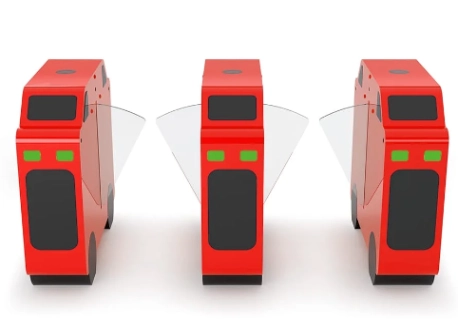
The JS-TD6301-21 Flap Barrier Turnstile Gate is another option for a refined entrance. The product information identifies a SUS304 stainless steel body and indoor or outdoor use, with a chassis size of 1508 by 300 by 1019 millimeters. Its flap structure gives users an obvious visual signal and provides a smooth transition between verification and passage.
Swing Gate, Sliding and Waist Height Options
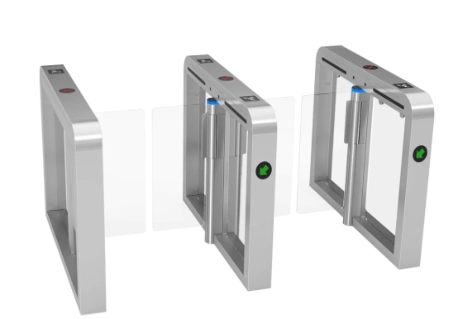
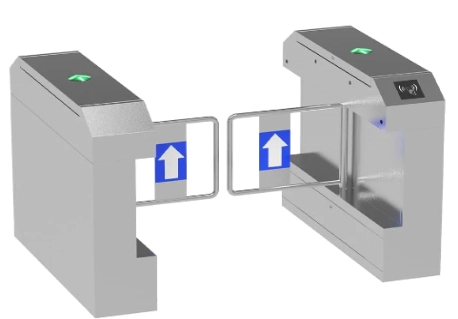
A swing gate is useful when a project needs a broader passage or a more flexible route for mixed users. The JS-BZ016 Swing Gate Turnstile is intended for frequent pedestrian entry and exit. It can be considered for offices, public venues, gyms and other locations where staff may need to guide visitors through a wider lane.
The JS-PYZ002 Inclined Surface Sliding Turnstile uses a sliding barrier and a compact oval design. It is described as a cost-effective entrance solution with smooth, quiet operation and suitability for high traffic. That makes it attractive for a site that wants a neat visual line without giving up throughput.
The JS-BGZ002 Waist Height Rotating Turnstile Gate uses mechanical rotating barriers and is designed to allow one person through at a time. Its role is especially clear at an exterior or semi-exterior checkpoint where stopping tailgating is a priority. The product information lists a chassis size of 1400 by 2280 by 1200 millimeters and describes the design as a cost-effective long-life option.
Why Is System Intelligence Crucial in 2026
The phrase ‘smart security’ can sound vague, but the useful part is practical. A smarter security turnstile knows what permission was presented, whether the person actually passed, whether the direction was correct and whether the lane needs attention. It turns a physical entrance into a reliable source of access information.
That information helps security teams make better decisions. They can see where queues form, identify repeated alarm events, remove old permissions and compare traffic by time of day. The turnstile does not need to make every decision by itself. It needs to provide accurate events to the people and software responsible for the site.
Real-Time Monitoring and Data Collection
A modern system can report valid entries, rejected credentials, forced passages, door or barrier status and emergency release events. This gives facility teams a clearer picture of what is happening at the entrance instead of relying on memory or a paper visitor book.
For data center turnstile security, the value is even greater. The access event may need to align with a visitor record, a security desk approval and an internal zone permission. A turnstile cannot create that whole chain alone, but it can provide a dependable physical checkpoint in the chain.
Flexible Permissions and Manual Setting
Real sites change. A building may open one lane for a morning rush, reverse a lane during an event or keep a visitor lane open while employee lanes remain controlled. A manual setting should make those changes understandable for trained staff. The controller should also support scheduled rules so that staff are not forced to change every mode by hand.
A good manual setting process covers opening direction, normal-open or normal-closed behavior, alarm response, emergency release and the relationship between the reader and the barrier. Clear settings help reduce service calls for small operational changes.
Remote Support and Turnstile Maintenance
Remote monitoring is useful when a site has several entrances or several buildings. A technician can review an alarm pattern, confirm a lane status or help staff identify whether the issue is a credential problem, a sensor problem or a mechanical problem.
Turnstile maintenance still matters even in a connected system. Staff should clean the stainless steel surface, check sensors, test emergency release, inspect fasteners and review barrier movement. Busy entrances may need monthly or quarterly checks, while critical areas may need a more frequent schedule.
How Should Buyers Plan a Turnstile Gate Project
Most project problems are visible before production if the right questions are asked. How many people arrive in the busiest ten minutes? Which users need a wider lane? Where will the reader and network cable sit? What happens during a fire alarm? Which permissions should expire automatically? These questions are more useful than choosing a model from a picture alone.
Traffic Flow and Lane Quantity
Lane quantity should follow real traffic, not only the average number of users. A site may be quiet most of the day but crowded at shift change, class start time or an event opening. A multi lane plan should also decide which lane is entry, which is exit, and whether one lane can change direction.
The project cost for multi lane turnstile system will depend on more than the number of cabinets. Passage width, lane spacing, control hardware, readers, cabling, floor preparation and commissioning all influence the final budget. A clear layout drawing helps avoid expensive changes after delivery.
Reader Choices and Software Integration
Card readers remain popular because employees already understand them. QR codes work well for temporary visitors and event access. A facial recognition software device can shorten the interaction for enrolled users, but the site should plan for consent, enrollment, lighting, privacy and a fallback method.
Some facilities also connect visitor management, elevator permissions or a parking ticket system. The key is to define which system owns the permission and which system records the event. That prevents two platforms from giving conflicting instructions to the same lane.
Project Cost and Installation Preparation
Turnstile cost usually includes the lane, controller, reader, software interface, shipping, installation and future service. The lowest equipment quote is not always the lowest project cost if it leaves out floor work, wiring or replacement parts.
Before turnstile installers arrive, confirm the finished floor level, anchor positions, electrical supply, network path, emergency input, reader height and lane clearance. Also confirm who will perform the final software test. A clean handover should prove that a valid credential opens the lane, an invalid credential does not, alarms are reported and emergency release works.
KARSUN turnstile Solutions for Modern Pedestrian Access
At KARSUN turnstile, we start with the entrance problem rather than forcing every customer into the same model. A factory staff entrance, a premium office lobby, a gym membership lane and a data center checkpoint do not need identical hardware. They need the right balance of passage speed, barrier form, access method, safety response and serviceability.
Matching Turnstile Types to Site Conditions
For compact and dependable daily control, we can recommend the JS-SGZ001 Bridge Tripod Turnstile Gate. For a lobby that needs fast movement and a cleaner architectural appearance, the JS-STM002 High Speed Gate is a strong option. For a polished lane with a flap barrier, the JS-TD6301-21 Flap Barrier Turnstile Gate provides a stainless steel structure and a clear user experience.
When the project needs wider or more flexible movement, the JS-BZ016 Swing Gate Turnstile can support mixed pedestrian flow. The JS-PYZ002 Inclined Surface Sliding Turnstile is suited to compact, quiet and high-traffic entrance planning. For a checkpoint where one-person passage and anti-tailgating matter most, the JS-BGZ002 Waist Height Rotating Turnstile Gate offers a mechanical rotating approach.
Product Engineering and Communication Options
Our turnstile range is built around practical project requirements. Selected models use SUS304 stainless steel, with material options available for particular environments. Depending on the model and system design, the control interface can support dry contact, RS232 or RS485 communication. Emergency alarm functions, sensor logic, LED guidance and reader integration can be discussed during project planning.
We also pay attention to the details that determine daily comfort: barrier movement, lane width, the time between approval and opening, the clarity of the status light and the access a technician has to the internal mechanism. Those details are easy to overlook in a catalog comparison, but they affect the entrance every day.
Support for Installation and Long-Term Operation
We help customers prepare the lane layout, credential method, control signal, emergency behavior and installation requirements before production. That makes it easier for turnstile installers to complete the physical work and for the site team to complete the software test.
Our view is that turnstile vendors should stay involved after shipment. A successful project includes clear manuals, spare-part planning, setup guidance and a maintenance routine that local staff can follow. The right product reduces the problem. The right support keeps that reduction in place.
When a buyer compares the cost of several turnstile systems, we encourage a wider view: how will the lane behave during the busiest ten minutes, how easy will it be to change permissions, how quickly can a fault be identified, and what will turnstile maintenance look like after the first year? Those answers usually reveal the real value of the project.
FAQs
Q: What is the difference between a tripod turnstile and a high speed gate?
A: A tripod turnstile uses a three-arm mechanism and is usually chosen for compact, durable daily access. A high speed gate uses a faster moving barrier and is often preferred for office lobbies, campuses and premium entrances. The JS-SGZ001 Bridge Tripod Turnstile Gate and JS-STM002 High Speed Gate show the difference in typical application.
Q: How much does a pedestrian turnstile gate cost with access control integration?
A: The cost depends on the barrier type, lane quantity, reader, controller, software connection, wiring, shipping and installation. Card access is often simpler to budget, while QR code access, a facial recognition software device, remote monitoring and visitor management add planning and integration work.
Q: What should be included in the project cost for multi lane turnstile system?
A: Project cost for multi lane turnstile system should include each lane, passage width, readers, controllers, communication wiring, floor preparation, emergency inputs, software integration, shipping, commissioning, spare parts and future service. The lane layout should be approved before production.
Q: Do smarter security turnstiles need professional turnstile installers?
A: Yes. Professional turnstile installers can check the floor, power, network route, reader height, emergency release and lane direction. They can also verify the manual setting so that valid credentials open the correct lane and alarms are reported correctly.
Q: How often should turnstile maintenance be scheduled for a busy entrance?
A: A busy entrance should usually receive regular monthly or quarterly checks, depending on traffic and site risk. Turnstile maintenance should include cleaning, sensor testing, alarm testing, barrier movement checks, fastener inspection and a review of access permissions. Data center turnstile security may require more frequent checks.