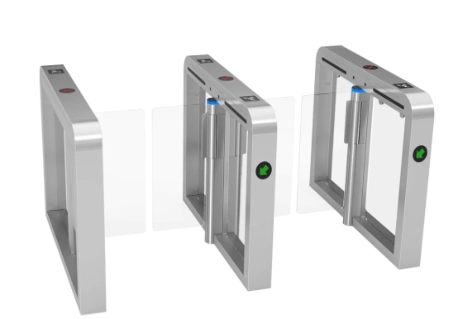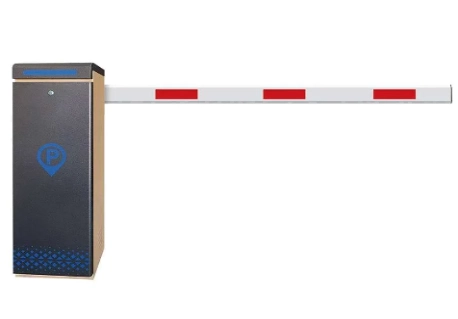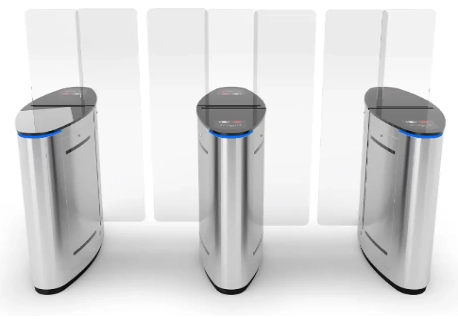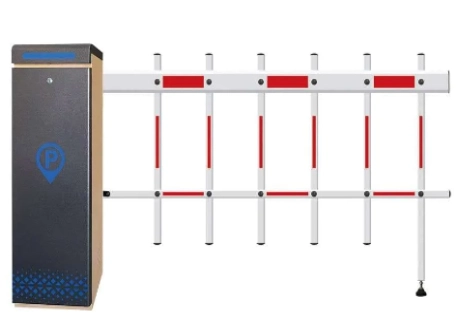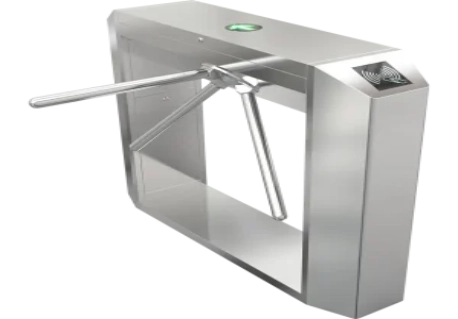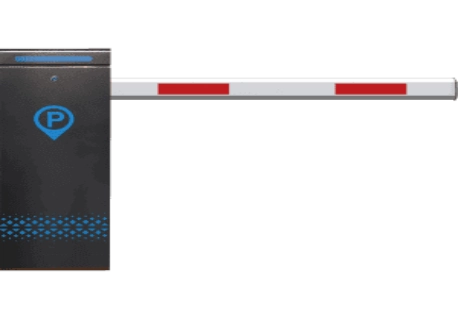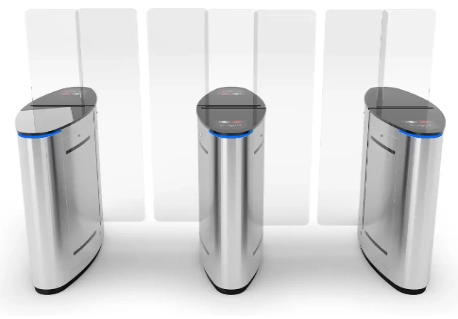
Picking a sliding turnstile gate or a swing turnstile gate seems easy initially. They both manage foot traffic. Furthermore, they link up easily with card readers, QR scanners, face recognition terminals, and visitor systems. Each option helps an entrance appear neat and well-managed.
However, safety, crowd movement, accessibility, and ongoing upkeep hold great importance. Therefore, the best choice relies entirely on the specific building requirements.
By 2026, access control means much more than simply opening and closing a barrier. An effective entrance must block unapproved visitors. It also needs to cut down on tailgating. Additionally, it must guide crowds swiftly and aid in emergency escapes. Meanwhile, the system should remain pleasant for regular users. For these reasons, comparing a sliding turnstile gate against a swing turnstile gate deserves careful attention.
Sliding vs Swing Turnstile Gates
A sliding turnstile gate and a swing turnstile gate might appear alike from afar. Yet, they manage entry using distinct methods.
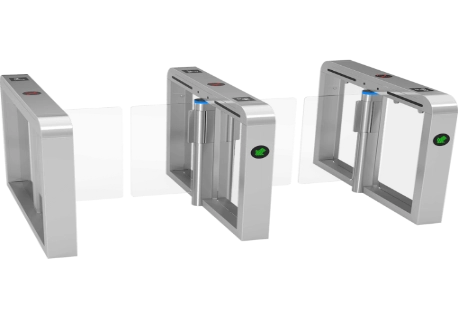
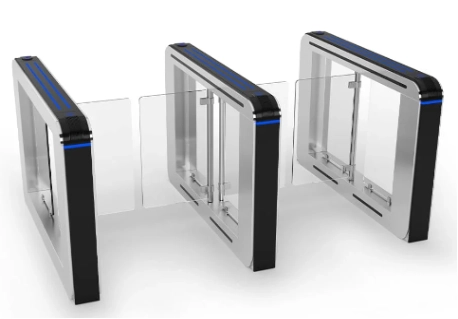
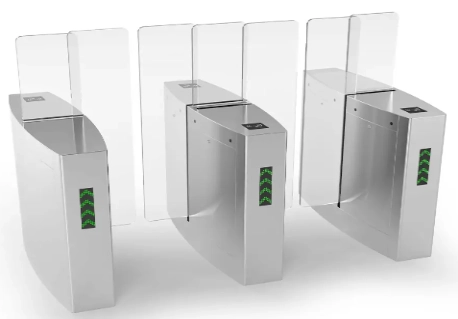
A sliding turnstile gate features retractable panels. These panels pull back into the main cabinet once a user gets approval. On the other hand, a swing turnstile gate relies on one or two panels. These barriers rotate outward, much like a standard door. This core motion alters how each setup handles safety, user comfort, floor space, and overall accessibility.
Sliding Turnstile Definition and Mechanism
A sliding turnstile gate relies on shifting barrier panels. These parts withdraw directly into the machine’s core. The system first receives a valid card, QR code, or face recognition signal. Following this prompt, the barrier clears the path. This allows exactly one approved individual to walk through safely.
The panel motion remains swift and stays strictly within the lane. Because of this, a sliding turnstile gate works well in areas requiring highly organized foot traffic. Typical locations include corporate lobbies, retail hubs, and subway stations. Schools, civic offices, and sports arenas also favor this equipment.
The primary benefit lies in strict management. The walkway remains sharply outlined. Also, the barrier shifts directly out of the way. Furthermore, the equipment pairs easily with built-in sensors. These sensors help spot unusual or improper walking patterns immediately.
Swing Turnstile Definition and Mechanism
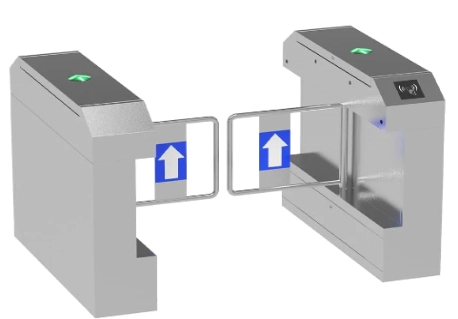
A swing turnstile gate clears the path by turning its barrier panel inward or outward. Facility managers frequently pick this design when they require a broader walkway.
This feature makes a swing turnstile gate highly practical. It serves entrances meant for wheelchair users or travelers hauling heavy luggage. Delivery workers carrying large boxes also benefit. In general, it helps guests who simply require extra room to walk easily. A swing turnstile gate still links up perfectly with modern access control systems. However, it grants the lobby a much more spacious and adaptable atmosphere.
During everyday operation, a swing turnstile gate proves quite welcoming for heavy foot traffic. The panels swing apart rapidly and maintain a sleek appearance. Therefore, they fit perfectly into properties where safety and ease of use must blend seamlessly.
Key Differences in Basic Design
The most significant contrast involves how each machine forms the actual walking path.
A sliding turnstile gate provides a highly regulated feel. Its panels pull away into the side walls. This keeps the walking lane visually bordered. Conversely, a swing turnstile gate offers a very open vibe. Its panel swings outward, which can establish a notably wider entry route.
Suppose a project demands strict lane discipline. In that case, a sliding turnstile gate typically stands as the superior option. On the other hand, if a site requires broader, highly accessible routes, a swing turnstile gate generally prevails.
Drive Mechanisms
The internal drive system holds great importance. It directly impacts opening speed, sound levels, and overall steadiness. Furthermore, it determines routine upkeep needs and long-term dependability.
Brushless DC Motors in Sliding Gates
Buyers frequently select a sliding turnstile gate for its fluid and silent performance. In crowded lobbies, this trait matters greatly. A loud or shaky machine can make an entire building look poorly managed. This remains true even if the access control system functions correctly from a technical standpoint.
Utilizing a brushless DC motor helps extend the machine’s lifespan. It also lowers internal friction and handles heavy daily usage with ease. Many lobbies experience constant foot traffic all day long. For these spots, this motor type lowers repair demands. Consequently, it keeps the daily user experience highly consistent.
Mechanical vs Motorized Drives in Swing Gates
A swing turnstile gate can feature various internal setups. These include basic electromagnetic mechanisms paired with hydraulic buffer tools. Alternatively, buyers can choose fully automatic brushless DC motor options.
A semi-automatic mechanism often suffices for budget-friendly or basic entryways. However, high-traffic or luxury buildings demand more. In those cases, a brushless DC motor or servo motor delivers superior control. These advanced motors also supply enhanced toughness and a much smoother opening motion.
Reliability and Maintenance Comparison
A sliding turnstile gate relies on barriers moving entirely inside the metal housing. Therefore, exact part alignment and motor steadiness remain crucial. Proper sensor calibration holds equal importance. Meanwhile, a swing turnstile gate presents a more straightforward visual motion. Nevertheless, it still requires dependable internal controls. It also demands a sturdy panel build and highly accurate obstacle detection tools.
In summary, a sliding turnstile gate performs brilliantly when a facility demands orderly, secure lanes. Conversely, a swing turnstile gate excels when a location requires a broader, comfortable path paired with trustworthy access control.
Structural Design
A turnstile gate acts as more than a simple security tool. It forms a vital piece of the building’s main entry. Visitors look at it and interact with it daily. Ultimately, they judge the entire property based on how smoothly the equipment operates.
Retractable Panels in Sliding Turnstiles
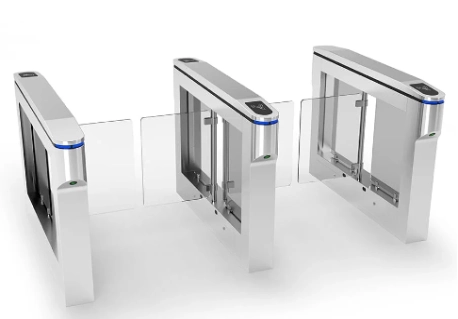
Sliding turnstiles usually have a cabinet on each side of the lane, with panels retracting into the body. This creates a neat, modern look.
Models such as the JS-PYZ001 – Octagonal Shape Sliding Turnstile and JS-PYZ002 – Inclined Surface Sliding Turnstile are good examples of sliding designs made for compact, high-traffic entrance control. They are suitable for places where access needs to feel controlled but not heavy or intimidating.
The JS-PYZ003 – Luxury Sliding Turnstile is better suited for projects where the entrance should look more premium, such as office buildings, commercial centers, and private facilities.
Pivoting Barriers in Swing Turnstiles
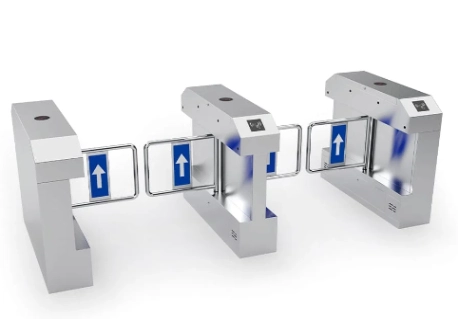
Swing turnstiles use pivoting panels that open after authorization. The movement feels natural because it is similar to opening a small gate.
This is where swing turnstiles become very practical. A model like the JS-BZ001 – Swing Gate can support frequent entry and exit while giving users a wider, more comfortable passage. The JS-BZ005 – Swing Gate is useful when the project has limited space but still needs a clean swing-gate solution.
Aesthetic and Space Considerations
Sliding turnstiles often feel more formal and controlled. Swing turnstiles often feel more open and accessible.
For a corporate lobby, either can work. For a metro-style or high-security lane, sliding may look more suitable. For a hotel, school, gym, airport-style passage, or visitor entrance, swing may feel more welcoming.
The best design is not always the one with the most security hardware. It is the one that fits how people actually move through the entrance.
Security Features
Now we get to the main question: which is better for access security?
The honest answer is: sliding turnstiles usually provide stronger lane control, while swing turnstiles provide better flexible access. But both can be secure when designed properly.
Advanced Anti-Tailgating in Sliding Turnstiles
Tailgating happens when one person uses valid authorization and another person follows without permission. This is one of the biggest problems in building access control.
Sliding turnstiles can help reduce tailgating because the passage is more controlled. The retractable panels define the lane clearly, and sensor logic can detect abnormal movement, such as two people trying to pass on one authorization.
For offices, schools, government buildings, and commercial centers, this makes sliding turnstiles a strong option when unauthorized entry prevention is the priority.
Anti-Pinch and Collision Protection Comparison
Security should never make the entrance unsafe.
Both sliding and swing turnstiles need anti-pinch and obstacle protection. Sensors help detect when a person or object is in the passage area. If something unusual happens, the system can stop movement, trigger an alarm, or open according to the emergency logic.
Swing turnstiles have an advantage for comfort because the passage can be wider. This is especially important for wheelchair users, luggage, and people moving more slowly.
Sliding turnstiles have an advantage for controlled flow because the lane is narrower and more defined.
Integration with Biometrics and Alarms
A turnstile gate becomes much more powerful when it connects with the right access control system.
Common integrations include card readers, QR code scanners, face recognition terminals, remote control, dry contact signals, RS232, RS485, relay signals, LED indicators, voice prompts, and alarm outputs.
This matters because the barrier is only one part of security. Real access security comes from authorization, detection, alarm response, and user flow working together.
Application Scenarios
A good way to choose between sliding and swing turnstile gates is to start with the site.
High-Traffic Indoor Environments for Sliding Gates
Sliding turnstiles are a strong fit for high-traffic indoor or covered entrances where the goal is organized, efficient access.
They work well in:
- Office buildings
- Metro and train station entrances
- Commercial centers
- Schools and universities
- Government buildings
- Sports venues
- Private sector facilities
For these sites, the main need is usually controlled one-person passage, smooth flow, and strong integration with access control.
The JS-PYZ005 – Luxury Sliding Turnstile and JS-PYZ008 – Oval Shape Sliding Turnstile are good choices when a project wants both reliable pedestrian control and a more refined entrance appearance.
Wide Passage Needs for Swing Turnstiles
Swing turnstiles are better when users need more space.
They work well in:
- Office visitor entrances
- Hotel and apartment lobbies
- Gyms and leisure facilities
- Schools and public buildings
- Accessible entrances
- Entrances used by people with bags, luggage, or parcels
A swing gate can reduce friction in daily use. People do not feel squeezed through the passage, and the entrance can still remain under access control.
Outdoor and Accessibility Requirements
For outdoor or semi-outdoor projects, material and protection level matter. Stainless steel construction, proper waterproof design, and correct installation planning are important.
For accessible entry, swing turnstiles usually have the advantage because they can provide a wider opening. But sliding turnstiles can also be used when the lane width and project design are planned correctly.
So the decision should not be “which gate is better in theory?” It should be “which gate solves this entrance problem better?”
How KARSUN turnstile Solves the Access Security Question
At KARSUN turnstile, we do not treat sliding and swing turnstiles as one-size-fits-all products. We look at the entrance first: traffic volume, passage width, security level, user type, installation space, access control system, emergency requirements, and visual style.
For stronger lane control, we often recommend sliding turnstile solutions such as the JS-PYZ001 – Octagonal Shape Sliding Turnstile, JS-PYZ002 – Inclined Surface Sliding Turnstile, JS-PYZ003 – Luxury Sliding Turnstile, or JS-PYZ008 – Oval Shape Sliding Turnstile. These models are suitable for projects that need smooth, quiet, compact, and effective access control for busy pedestrian entrances.
For wider and more accessible passage, we recommend swing turnstile options such as the JS-BZ001 – Swing Gate and JS-BZ005 – Swing Gate. These are designed for entrance and exit management where fast opening, safe passage, and user convenience are important.
Our turnstile solutions can support stainless steel SUS304 construction, SUS316 options, indoor and outdoor environments, IP54 configurations, emergency alarm functions, dry contact, RS232, RS485, DC brushless motor options, servo motor options, and customized access control integration.
So, which is better for access security in 2026?
- If the priority is strict lane discipline and anti-tailgating control, choose a sliding turnstile gate.
- If the priority is wide, comfortable, accessible passage with reliable authorization control, choose a swing turnstile gate.
- If the entrance needs both, we can help design a mixed layout with sliding lanes for standard users and a swing lane for accessible passage.
That is usually the smartest answer.
FAQs
Q: Is a sliding turnstile more secure than a swing turnstile?
A: A sliding turnstile is often better for strict access security because its retractable panels create a more controlled lane. It is a strong choice for buildings that want to reduce unauthorized following and manage one-person passage more closely.
Q: Which swing turnstile is best for wheelchair access?
A: A swing turnstile is usually better for wheelchair access because it can provide a wider opening than many standard lane designs. KARSUN turnstile can recommend models such as the JS-BZ001 – Swing Gate when a project needs accessible passage and controlled entry.
Q: What is the difference between a sliding turnstile gate and a swing turnstile gate?
A: A sliding turnstile gate uses retractable panels that slide into the cabinet, while a swing turnstile gate uses panels that rotate open. Sliding designs are usually stronger for lane control, while swing designs are better for wider and more comfortable passage.
Q: Can a turnstile gate stop tailgating?
A: A turnstile gate can help reduce tailgating when it uses proper sensors, access authorization, and alarm logic. Sliding turnstiles are especially useful when a building needs tighter one-person access control.
Q: How do I choose the best access control turnstile in 2026?
A: Start with the entrance layout, expected traffic, required passage width, security level, accessibility needs, installation environment, and access control system. For strict access control, consider a sliding turnstile. For wider passage and easier movement, consider a swing turnstile.