Why Install an ESD Turnstile?
Setting up an ESD turnstile is important for sites that need both entry control and protection from electrostatic discharge (ESD). These systems are key in places like electronics building, semiconductor making, and cleanrooms. Even a small static spark can harm delicate parts there.
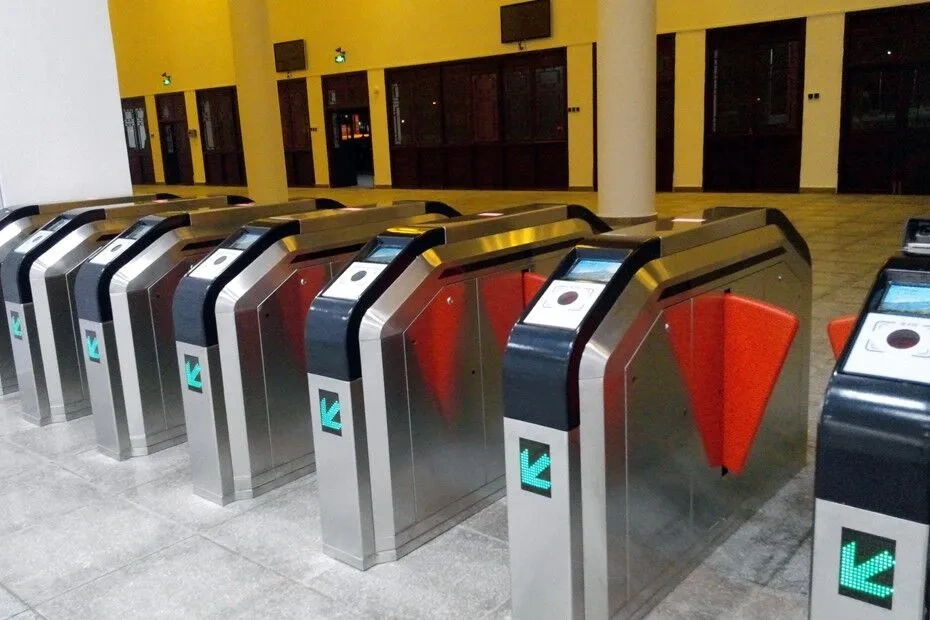
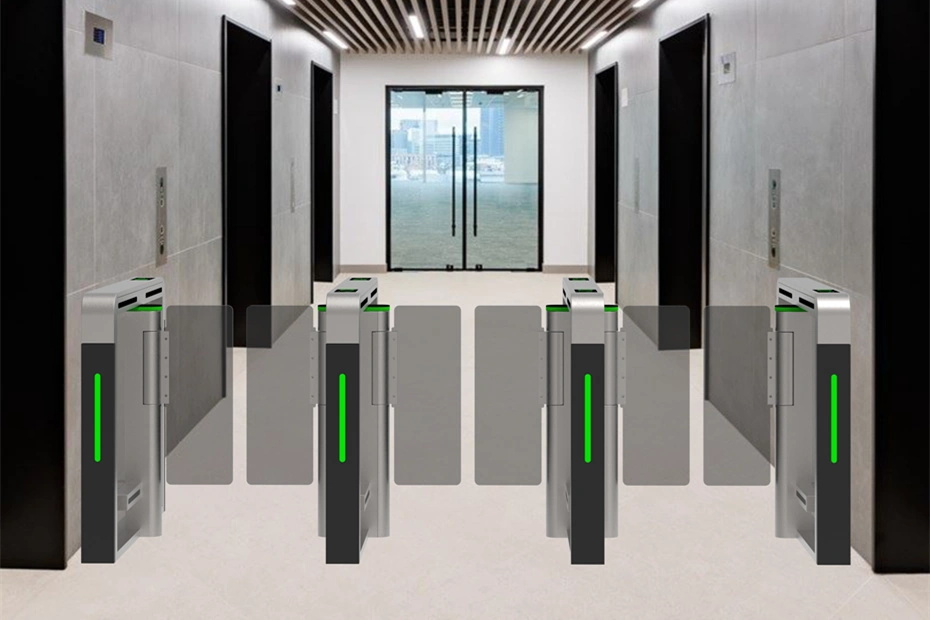
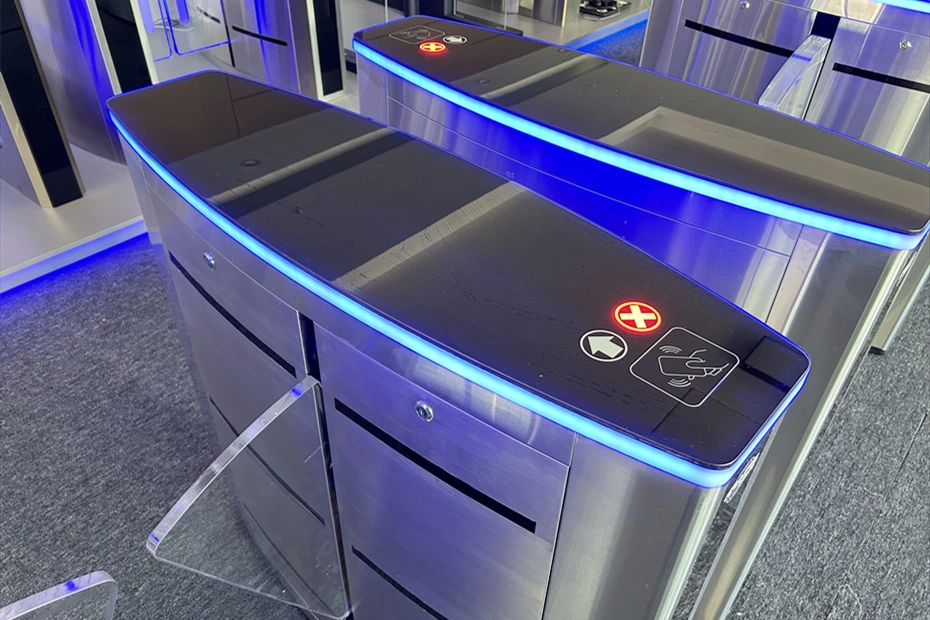
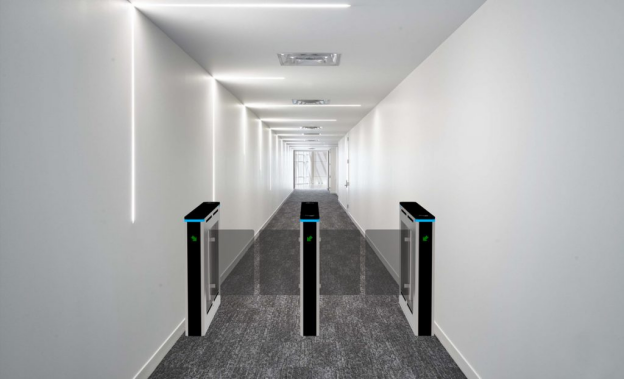
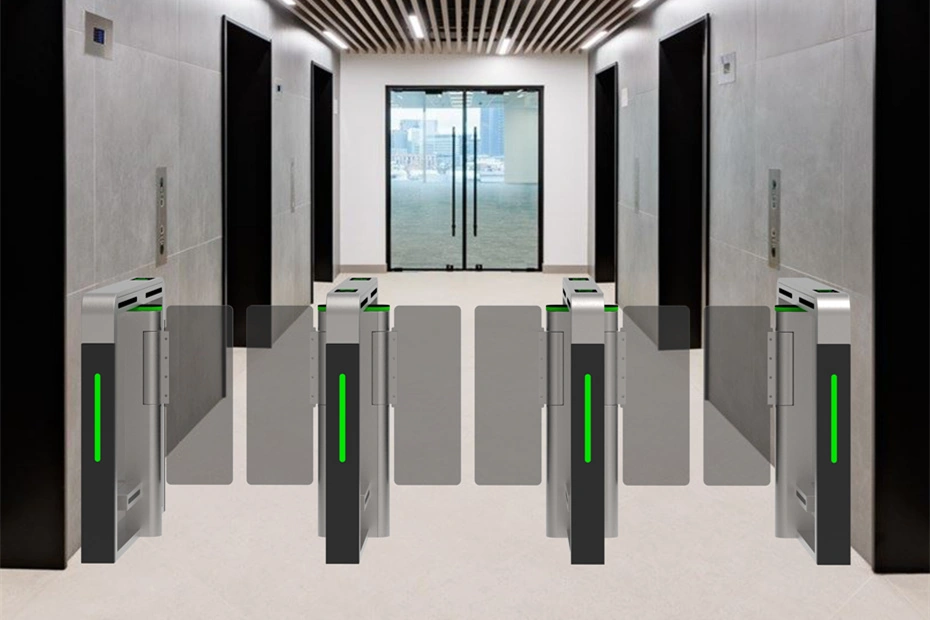
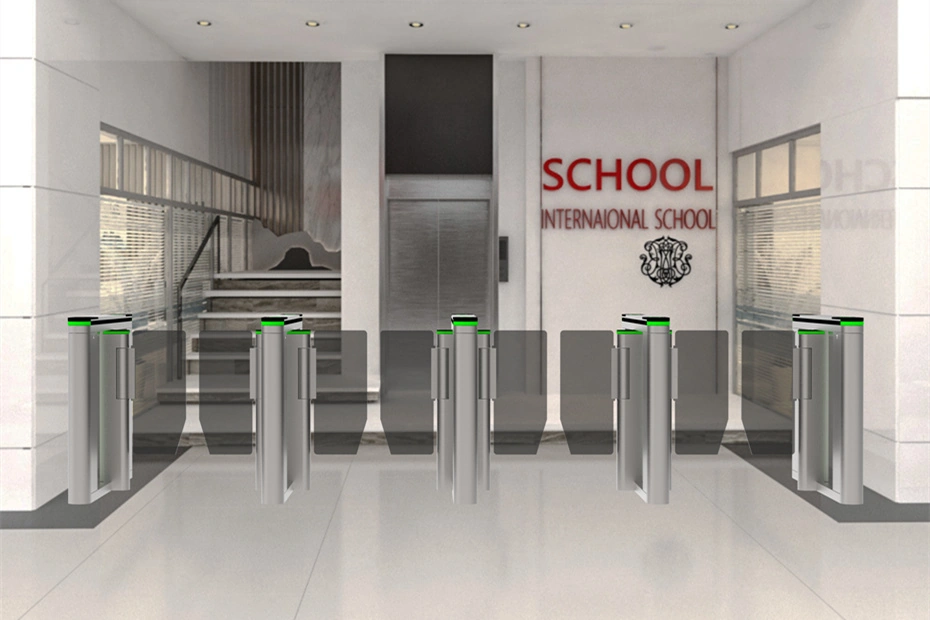
An ESD turnstile combines a walking access gate with an ESD tester. It makes sure only people who pass the ESD check can enter the safe area. This double-layer security keeps product quality high. It also makes entry handling easier. For example, KARSUN’s flap turnstiles, such as the JS-QC001 Flap Barrier Turnstile Gate, give modern walking access handling. They have a clean design and work well indoors or outdoors. This comes from their full body made of stainless steel 304, suitable for indoor and outdoor use, waterproof, and weatherproof.

Preparation Before Installation
Good planning leads to an easy ESD turnstile setup. Start by checking the site for enough space and a power source. Make sure the floor is flat and can hold the turnstile’s weight. For example, the JS-Y007 Patent Series Flap Turnstiles from KARSUN are small and fit tight spots. So, measurements must be exact.
Also, check network links to see if the turnstile will connect to access control systems or be watched from afar. Have all the needed parts ready before starting. These include the turnstile unit, ESD tester, card reader or facial recognition device, wiring materials, and tools.
ESD Turnstile Installation Steps
Positioning
Positioning is the first key step in installing an ESD turnstile. The main goal is to line up the turnstile with the planned walking path. It should blend well with the current setup. For instance, KARSUN’s JS-PYZ002 Inclined Surface Sliding Turnstile is made for busy spots like metro stations and shopping centers. It’s small and budget-friendly entry fixes make it good for limited areas.
Drilling
Once the position is set, mark the mounting points on the floor. Use the base of the turnstile as a guide. Use a strong drill to make holes for anchor bolts. Ensure the drilling depth matches the details in the setup manual. This guarantees steadiness.
Installing the ESD Gate
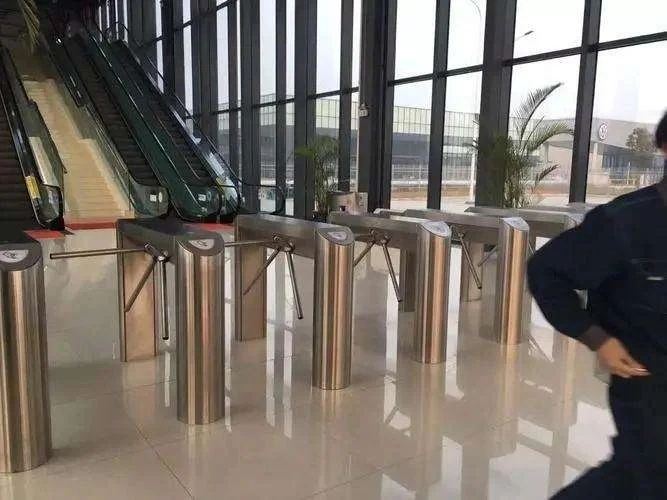
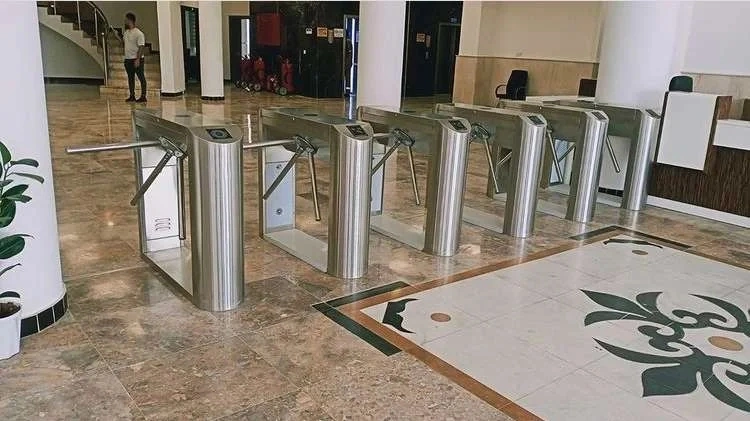
Fix the ESD turnstile gate in place using anchor bolts. Check alignment before tightening all bolts. For example, KARSUN’s JS-SGZ005 Outdoor Waterproof Stainless Steel 304 Tripod Turnstile Gate is built for strength and exact setup. The tripod turnstile, with three turning arms at waist height, handles entry one person at a time. This makes it good for safe areas.
Setting ESD Tester IP
If your ESD tester connects to a network, set its IP address to match your site’s subnet. This step makes sure the tester can talk to your access control system or central watch software. Use the maker’s software or web page to set and test the IP address.
Authorization Card
Set up the access control system to recognize valid authorization cards. This usually means adding employee ID cards to the system database and giving permissions. Some KARSUN models have advanced anti-pass-back features. These stop tailgating and unauthorized entry.
Installing a Card Reader or Facial Recognition Device
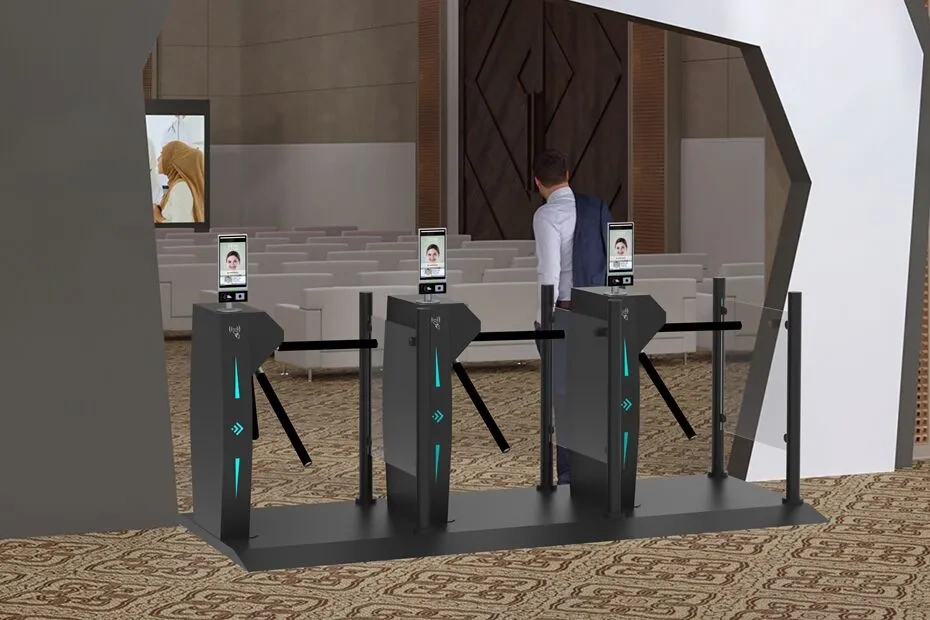
Mount the card reader or facial recognition terminal at a comfortable height near the turnstile. Connect it to the access control system and test it. KARSUN’s flap barriers work with various check methods. They offer easy setup through a control panel with a display and encoder.
Connection line
Run power and data cables from the control panel to the turnstile, ESD tester, and check devices. Use cable trays or conduits to guard wiring and keep a neat setup. Follow all electrical codes and safety rules during this step.
Debugging and Testing
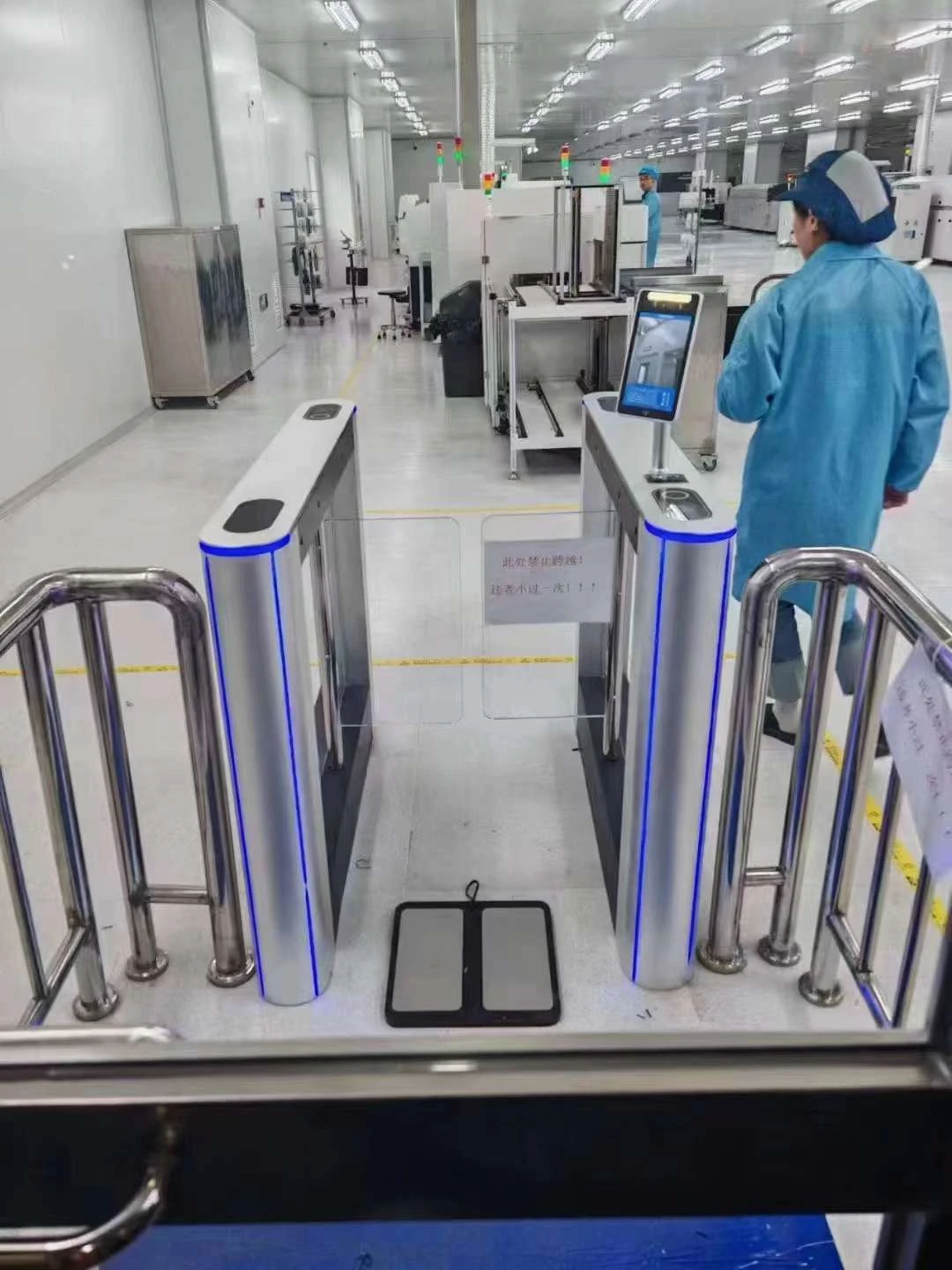
Before going live, do full testing of the whole system. Check that the ESD tester spots static charge correctly and allows or blocks entry as needed. Make sure the turnstile arms move smoothly and sensors catch unauthorized tries like tailgating. As stated in the product features of the KARSUN JS-Y007 Patent Series Flap Turnstile, a processor system software analyzes signals from the system of sensors. This lets it spot, with high accuracy, cases such as a passage attempt of two people on a single authorisation or a passage of a person without authorisation.
Installation completed
Once all systems are tested and checked, finish the installation by fixing all panels and covers. Train staff on how to use the system and handle alerts. Write down the setup settings for later upkeep.
Matters Needing Attention
When setting up an ESD turnstile, make sure grounding is done right. This lets static discharge flow safely away from users. Also, ensure the floor near the turnstile is anti-static or grounded well.
Avoid placing metal objects or other electronics near the sensor area. They may mess with detection accuracy. The sound signalling informs, among others, about the occurrence of an unusual situation. So, ensure that alerts are audible in your environment.
Maintenance and Upkeep
Regular upkeep ensures long-term steadiness of your ESD turnstile system. Clean sensors and card readers weekly to stop dust buildup. Check wiring connections monthly for signs of wear or rust.
Lubricate moving parts such as flap wings or tripod arms, as the maker suggests. KARSUN’s Waist Height Rotating Turnstile Gate JS-BGZ002 is known for its mechanical strength and lifespan of 25+ years. But this holds only with proper care.
Emergency Situation Handling
In cases of emergencies like power failure or fire alarm, ensure the turnstile allows free passage. KARSUN’s turnstiles are equipped with emergency exit features. In case of a voltage decay, the device remains in an unlocked position. This ensures safety rules and smooth evacuation during key situations.
Train staff on how to manually override the system if needed. Conduct periodic drills to strengthen procedures.
FAQ
Q: What is an ESD turnstile used for?
A: An ESD turnstile combines access control with electrostatic discharge testing. It makes sure only people who pass ESD checks can enter sensitive spots like electronics building areas.
Q: How do I choose the best ESD turnstile?
A: Look for models that give high sensor accuracy, anti-tailgating features, emergency exit work, and fit with your access control systems. KARSUN offers several options, like JS-QC001 Flap Barrier Turnstile Gate, designed for high-end tasks.
Q: Which brand offers reliable ESD turnstiles?
A: KARSUN is a trusted provider known for strong stainless steel build, advanced sensor systems, and fit with various access methods, including cards and facial recognition.
Q: Can I integrate facial recognition with an ESD turnstile?
A: Yes, most modern ESD turnstiles support integration with facial recognition systems. KARSUN’s flap turnstiles are designed for easy setup with various check devices.
Q: What’s better for high-traffic areas: a tripod or flap barrier?
A: Flap barrier turnstiles like KARSUN’s JS-Y007 are ideal for high-traffic areas due to their fast processing speed and small design that fits tight spaces while keeping security strong.