Tripod Turnstile vs Flap Barrier in 2026 Which One Handles Daily Traffic Better?
Choosing an entrance gate gets tricky once real people enter the picture. A gym sees arrivals in bursts. An office lobby needs to look welcoming. A station entrance must keep moving when a train unloads.
A tripod turnstile and a flap barrier can both connect to an access control system, but they shape the user journey differently. The tripod’s rotating arms create a deliberate one-person rhythm. A flap barrier retracts its panels after authorization and gives users a more open walking path. This 2026 comparison looks beyond the brochure so you can judge traffic, security, space, accessibility, and maintenance together.
How Do Tripod Turnstiles and Flap Barriers Control Entry?
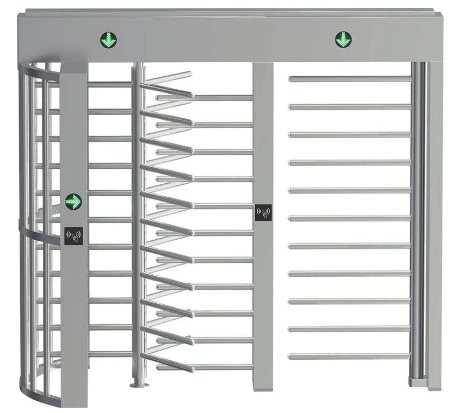
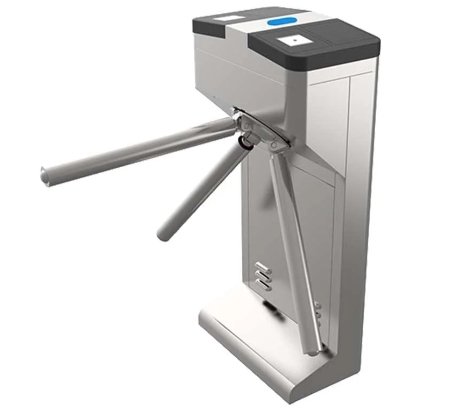
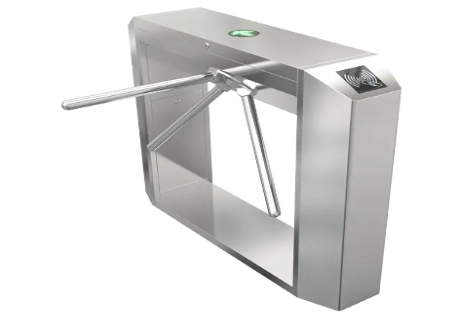
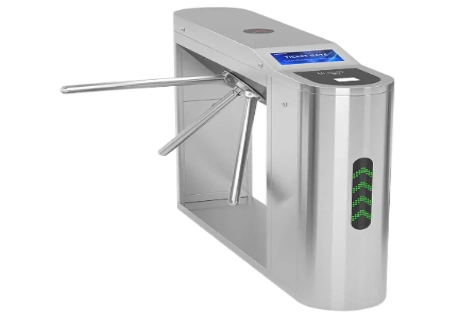
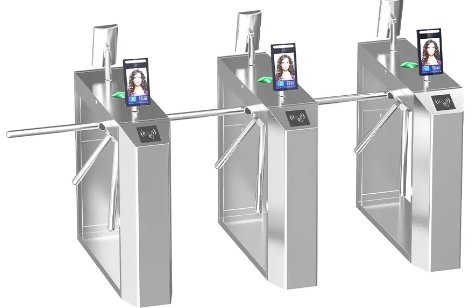
A tripod turnstile has three arms arranged around a rotating hub. Once a card, QR code, ticket, or other credential is approved, the mechanism releases and one person pushes through. The next arm then returns to the blocking position. That simple physical sequence makes the passage easy to understand and helps separate users.
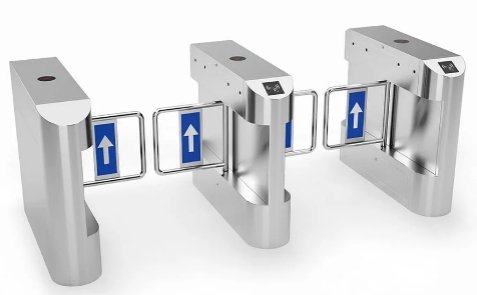
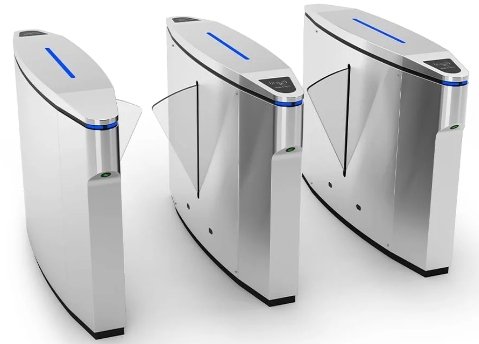
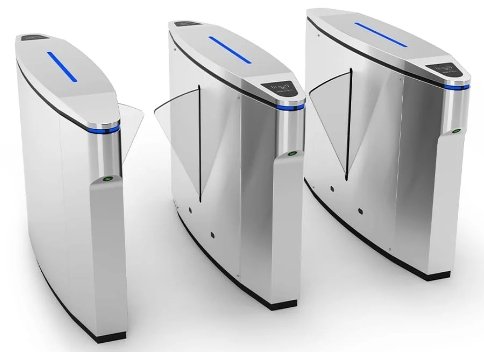
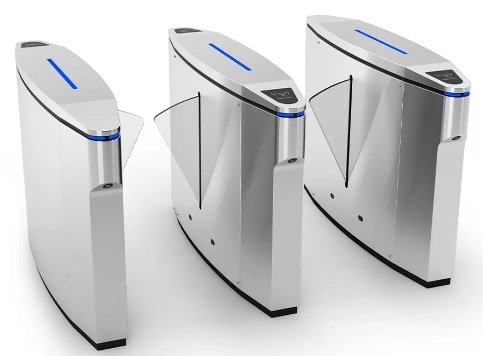
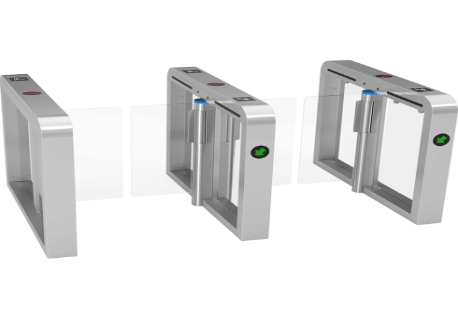
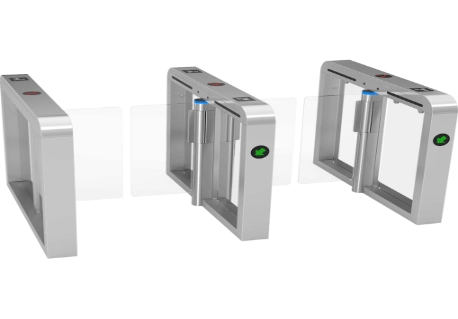
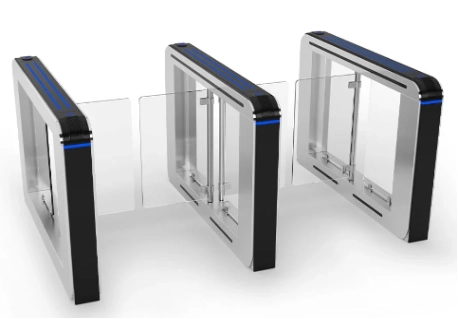
A flap barrier holds the lane with retractable panels. After the access control system approves a credential, the panels move aside and sensors monitor the user through the lane. The panels close after the passage is complete. The experience can feel smoother because users walk forward without pushing an arm.
Reader response, controller logic, sensor setup, lane signs, and staff procedures also affect the entrance. A fast gate paired with a slow credential check is still slow.
Which Turnstile Gate Handles Busy Daily Traffic Better?
Flap barriers often suit entrances that prioritize a fluid walk-through experience. Multiple lanes can organize a morning office rush or a stream of passengers, while indicator lights show where to go. Yet peak performance depends on people presenting credentials correctly and moving through without hesitation.
Tripod gates create a more measured flow. That can be useful at gyms, campuses, attractions, and ticketed venues where one-person passage matters more than an open-lobby feel. They may be entirely adequate for steady daily traffic, especially when users know the routine.
Do not choose from a claimed passages-per-minute figure alone. Count arrivals during the busiest 15 minutes, note how long credential checks take, and watch for bags, children, or confused visitors. Then calculate the number of standard, reversible, and accessible lanes required. Real throughput belongs to the complete lane, not the turnstile gate by itself.
Which Option Is Better for Security and Tailgating?
A tripod turnstile provides a visible physical checkpoint and naturally encourages one person to pass per authorization. A flap barrier can use optical sensors and alarm logic to detect an unexpected passage or someone following too closely. Neither format automatically wins every security comparison.
Start with the behavior you need to control. Is an attendant watching the entrance? Should an invalid attempt trigger a light, sound, locked lane, or staff alert? What happens when two people enter together? A flap barrier needs carefully configured sensors and closing logic. A tripod lane still needs sensible credential rules and a response plan for misuse.
For a higher-risk site, consider whether a waist-height barrier is sufficient at all. The answer may depend on supervision and the surrounding boundary. Emergency release and power-loss behavior must also be agreed with the facility and safety teams, then tested on site.
Which Gate Fits the Available Space and User Group?
A tripod mechanism can offer a compact way to form a controlled lane, but its rotating arms need clear operating space. Users also need room to approach, present a credential, and exit without crossing another queue.
A flap barrier forms a straight walking lane and can look less visually intrusive in a modern lobby. Its cabinet length, sensor zones, and panel movement still occupy space. Several lanes require a carefully planned footprint, not just the width shown on a product drawing.
Accessibility should be designed from the beginning. Standard tripod arms are not the practical route for wheelchairs, and a narrow flap lane may also be unsuitable. Plan a compliant accessible lane with the correct clear width, reader height, turning space, signs, and emergency behavior under local rules. Also account for luggage, strollers, delivery carts, and users who move slowly.
Which Turnstile Is Easier to Maintain?
Tripod turnstiles have an easy-to-understand operating pattern and are often selected for demanding, practical entrances. Flap barriers add moving panels and sensor arrays, so cleaning, alignment, and fault diagnosis deserve close attention. Still, maintenance depends more on the exact model, traffic, environment, and service plan than on the category name.
Ask for an inspection schedule, wear-part list, warranty terms, wiring information, and spare-part availability. Outdoor projects should verify the stated environmental rating, drainage, canopy needs, operating temperature, and corrosion exposure. Stainless steel alone does not make every configuration suitable for every outdoor site.
How Should You Choose the Right Turnstile in 2026?
Choose a tripod turnstile when the entrance benefits from a clear one-person cadence, straightforward operation, and a practical checkpoint. Choose a flap barrier when a more open appearance, sensor-monitored passage, and smooth lane experience carry more weight.
Before ordering, run a short decision workshop with facilities, security, IT, and operations. Map peak traffic, credentials, visitor exceptions, accessible passage, alarm responses, emergency release, and maintenance ownership. Confirm how the reader and controller exchange signals with the turnstile.
Finally, test approved, rejected, expired, duplicate, and tailgating scenarios during commissioning. That process prevents a visually impressive gate from becoming an operational headache.
How Does KARSUN turnstile Match a Gate to the Entrance?
En Torniquete KARSUN, we start with the entrance job rather than forcing every project toward one mechanism. We review lane layout, traffic patterns, credential interfaces, installation environments, and operating logic. We then help buyers compare suitable configurations.
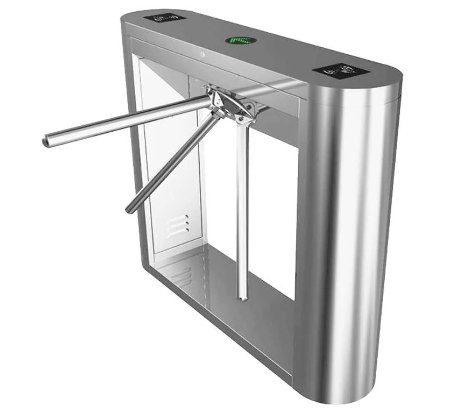
En JS-SGZ001 Puente Trípode Torniquete Puerta uses SUS304 casework and a three-arm format for economical crowd organization. Its published options include dry-contact, RS232, and RS485 control connections, making it useful when a project needs to coordinate the gate with an existing access system.
En JS-SGZ002 Semi-Automatic Turnstile Tripod Gate supports a familiar, measured passage pattern. It can serve gyms, campuses, public venues, and staff entrances where people need to move through one at a time.
For projects comparing compact tripod layouts, the JS-SGZ003C Vertical Tripod Turnstile Gate offers a vertical configuration. Its published information lists SUS304 casework, customizable control connections, and an emergency alarm function.
En JS-SGZ005 Puerta con torniquete trípode de acero inoxidable 304 impermeable para exteriores is intended for buyers evaluating indoor or outdoor tripod use. Before recommending a final configuration, we still confirm the site’s exposure, shelter, foundation, drainage, and electrical conditions.
For entrances that need a more open walking experience, the JS-TD6301-21 Flap Barrier Turnstile Gate provides a flap-barrier alternative. Its stainless-steel body and sensor-managed passage suit buildings, hotels, subways, clubs, and gyms.
We can also discuss customization and access-control integration before production. The practical goal is simple: match the passage mechanism to the people and site, confirm every interface detail, and give the installation team a clear commissioning plan.
PREGUNTAS FRECUENTES
Q: What is the difference between a tripod turnstile and a flap barrier?
A: A tripod turnstile uses three rotating arms to create a measured one-person passage. A flap barrier retracts its panels after authorization and monitors movement through the lane with sensors. The best choice depends on traffic, security rules, available space, accessibility, and the desired entrance experience.
Q: Is a tripod turnstile more secure than a flap barrier?
A: Not automatically. A tripod turnstile creates a clear physical checkpoint, while a flap barrier can detect passage behavior through sensors and alarm logic. Overall security depends on the exact model, credential rules, supervision, configuration, and response to unauthorized entry.
Q: Which turnstile gate is better for a gym or office entrance?
A: A tripod turnstile often fits a gym that wants controlled member entry and a simple operating routine. A flap barrier may suit an office lobby that values smooth pedestrian flow and a more open appearance. Peak arrivals and accessible-lane requirements should help decide the final layout.
Q: Can a flap barrier connect to an existing access control system?
A: Yes, provided the reader, controller, and gate use compatible signals and operating logic. Confirm the wiring interface, authorization response, invalid-credential behavior, offline mode, and emergency release procedure before installation.
Q: Which turnstile is easier to maintain outdoors?
A: There is no universal answer. Compare the exact environmental rating, enclosure material, drainage, temperature range, moving parts, sensor exposure, and maintenance access. A turnstile intended for outdoor use still needs suitable foundations, protected wiring, and routine inspection.